Adaptive Industrial Load Handling with Induction Motors

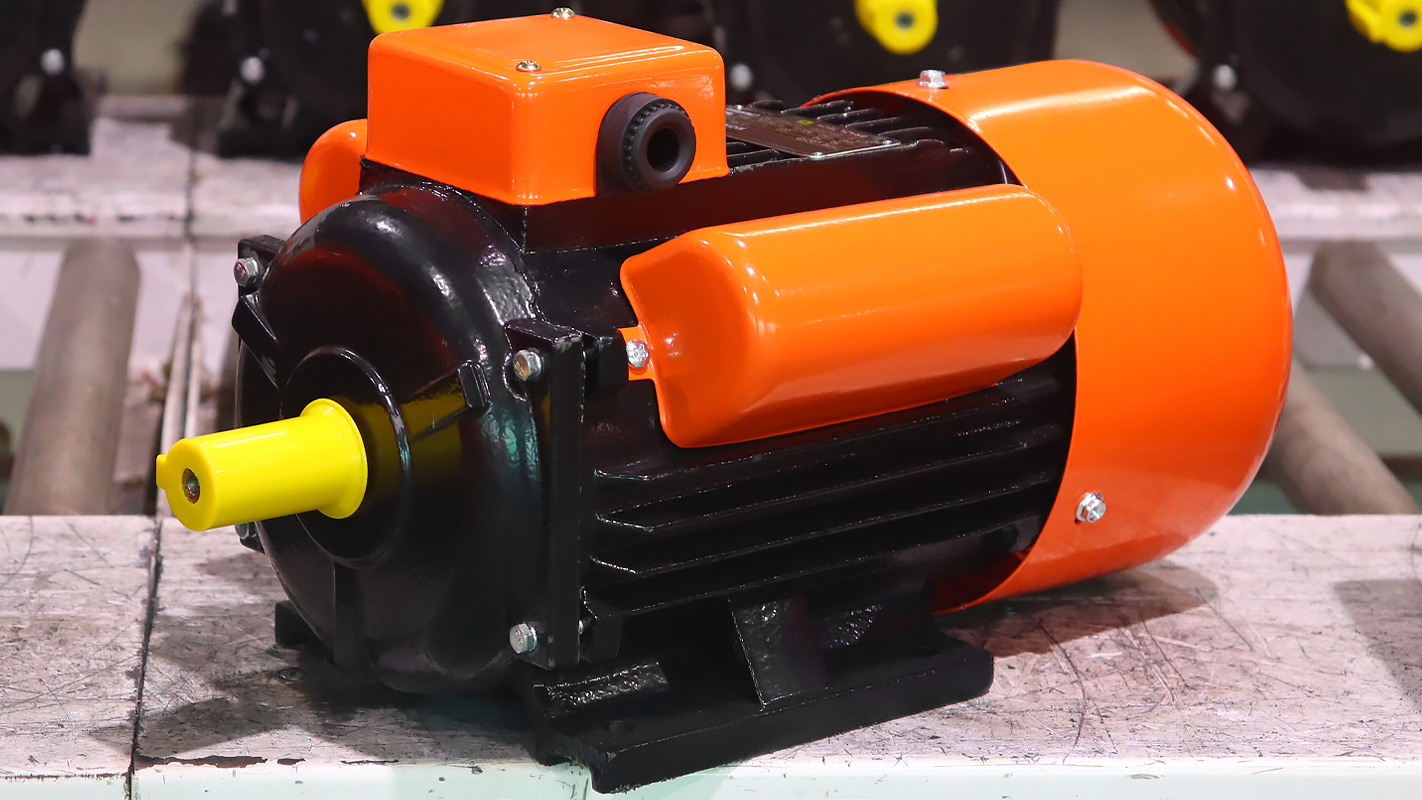
In modern industrial ecosystems, the ability of motor systems to handle fluctuating loads defines operational excellence. Induction motors stand at the forefront of this revolution, offering intrinsic adaptability that harmonizes with diverse industrial demands. Unlike conventional motors, their design leverages electromagnetic principles to self-adjust torque and speed in response to load variations—eliminating the need for complex external controllers. This inherent flexibility stems from the slip characteristic, where rotor speed naturally adjusts to maintain efficiency under shifting mechanical stresses.
Core Mechanisms of Load Adaptability
The secret lies in the motor's nonlinear dynamic model, which balances electromagnetic torque and mechanical load inertia through real-time parameter identification. When load increases, slip rises proportionally, amplifying rotor current to generate higher torque without compromising stability. Conversely, reduced loads trigger automatic power conservation. This autonomous recalibration minimizes energy waste while preventing overheating—a critical advantage in continuous-operation industries like manufacturing or processing plants.
Resilience Against Voltage Instabilities
Industrial grids frequently face voltage sags, surges, or harmonics. Induction motors excel here by employing inherent inertia to buffer short-term fluctuations. Advanced designs integrate voltage-fluctuation resistance via optimized magnetic circuits, maintaining performance even during transient disturbances. This trait is vital for mission-critical applications where abrupt power shifts could halt production lines or damage sensitive machinery.
Intelligent Integration for Future-Proofing
Modern iterations elevate adaptability through smart torque control algorithms. These systems predict load patterns using real-time data, preemptively adjusting operational parameters to avoid resonance frequencies or mechanical stress peaks. Such predictive capability transforms induction motors from passive components into active partners in system optimization—enabling seamless integration with IoT-driven industrial networks for holistic energy management.
Sustainability Through Adaptive Efficiency
By aligning power consumption with actual load requirements, these motors reduce carbon footprints intrinsically. Traditional motors operate near peak efficiency only at rated loads, but adaptive induction variants maintain high efficiency across 30%–120% load ranges. This "elastic efficiency" slashes energy costs by up to 25% annually, making them indispensable for eco-conscious industries pursuing net-zero goals.
Intelligent Control Systems Revolutionizing Diesel Generator Operations
Generator Dual Loop Cooling Tech
Related Article