Advanced Alternators for Industrial Efficiency: Powering Modern Applications with Precision

1. Core Technology: How Industrial Alternators Work
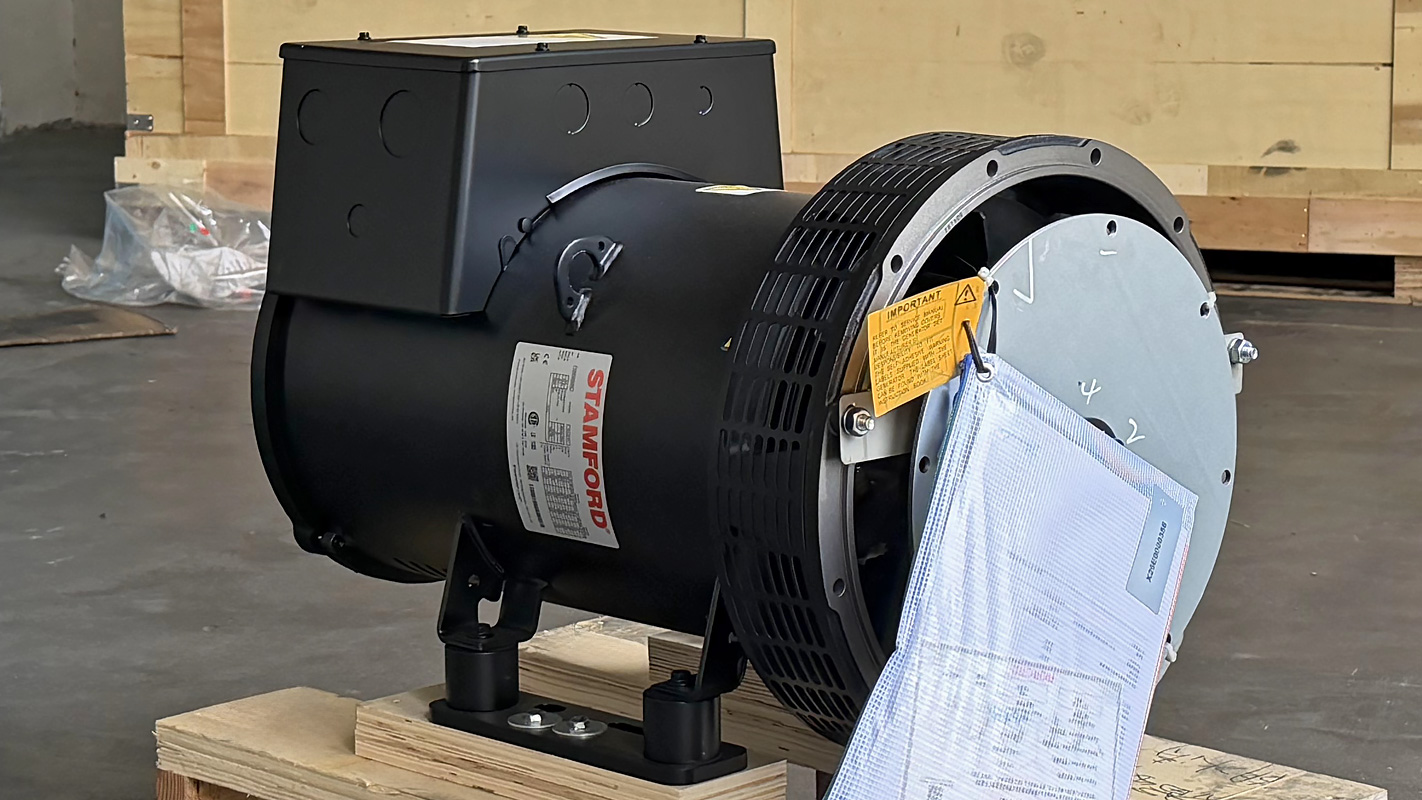
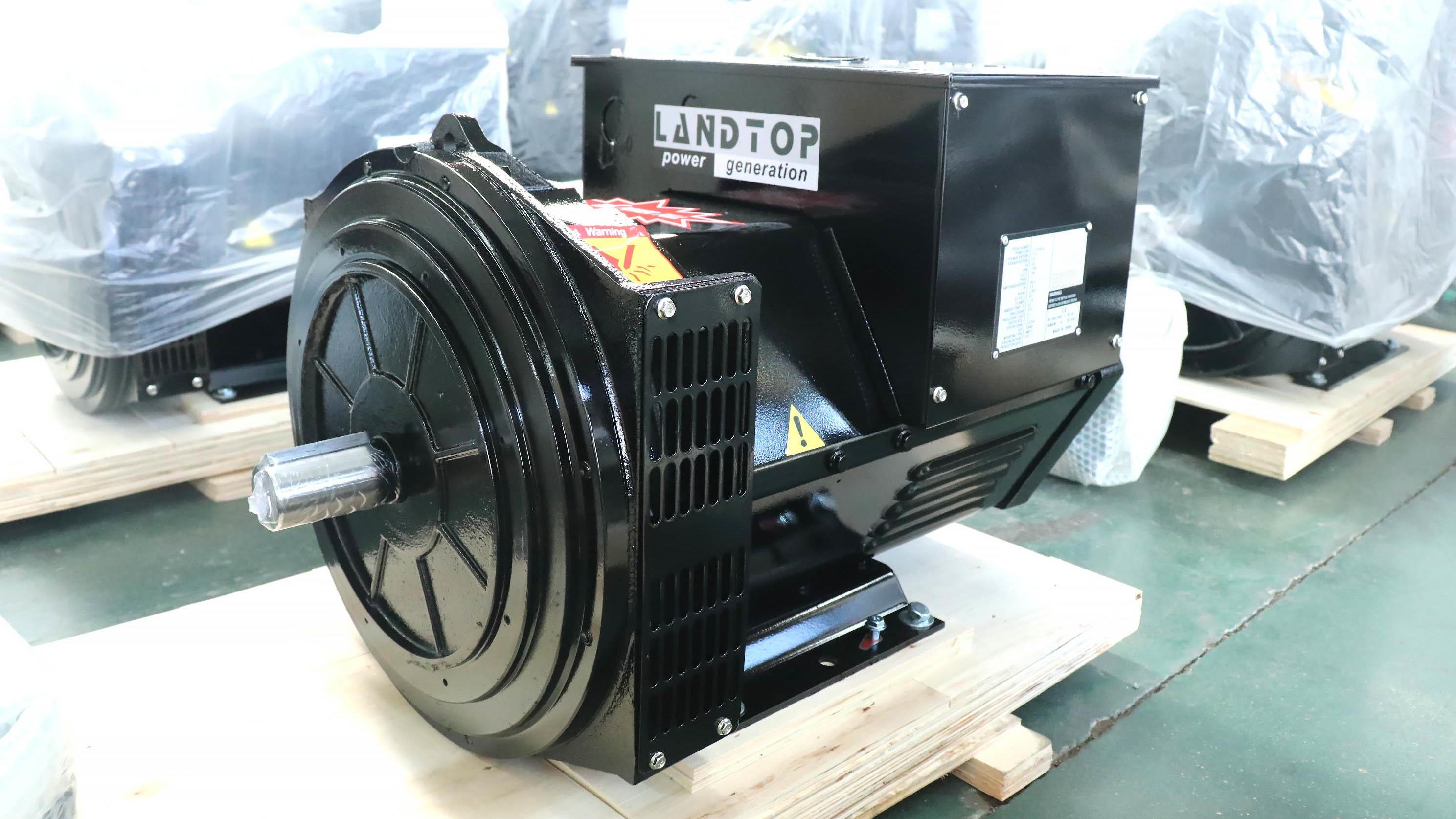
AC alternators convert mechanical energy into electrical energy through electromagnetic induction. Unlike DC generators, alternators utilize rotating magnetic fields (rotor) and stationary conductors (stator), eliminating commutators for reduced maintenance and enhanced durability. Our three-phase synchronous alternators feature brushless designs and precision-engineered rotors, delivering outputs from 15kVA to 2500kVA with voltage regulation accuracy within ±1%. Key components like laminated steel cores and high-grade copper windings minimize energy loss, achieving up to 98% efficiency under full load.
2. Cutting-Edge Innovations in Alternator Design
To meet evolving industry demands, we integrate advanced technologies:
- Smart Monitoring: IoT-enabled sensors track real-time parameters (voltage fluctuations, bearing temperature, harmonic distortion), enabling predictive maintenance and reducing unplanned downtime by 30%.
- Hybrid Compatibility: Select models seamlessly integrate with solar/wind systems, allowing hybrid energy configurations for off-grid mines or rural microgrids.
- Customization: Options include marine-grade corrosion-resistant coatings for offshore platforms and sound-dampened enclosures (<75 dB) for urban installations.
3. Applications Driving Industrial Progress
- Manufacturing: High-torque 150–800kVA alternators power CNC machinery and automated assembly lines, maintaining voltage stability during peak loads.
- Renewable Energy: Paired with hydro turbines or biogas engines, our 200–1500kVA units enable decentralized power generation for remote communities.
- Transportation: Compact 24V–48V alternators with vibration-resistant mounts support electric vehicle charging stations and hybrid marine propulsion systems.
4. Quality Assurance and Compliance
Every alternator undergoes 72-hour load testing under simulated extreme conditions (-30°C to 55°C). Compliance with ISO 9001, CE, and UL standards ensures safety in hazardous environments (e.g., ATEX-certified models for oil refineries).
5. Future Trends: Sustainability and AI Integration
The industry is shifting toward hydrogen-ready alternators compatible with green fuels and AI-driven optimization. Our R&D focuses on:
- Carbon-Neutral Solutions: Alternators optimized for biodiesel/hydrogen blends, reducing CO₂ emissions by 40% compared to diesel-only systems.
- Predictive Analytics: Machine learning algorithms analyze operational data to forecast component wear, slashing maintenance costs by 22%.
Conclusion:
In an era demanding energy resilience and sustainability, our AC alternators stand as a cornerstone of industrial innovation. By merging robust engineering with adaptive technologies, we empower enterprises to achieve operational excellence while reducing environmental impact.
Next-Generation Electric Motors: Revolutionizing Industrial Efficiency with Smart Technology
SDEC Diesel Engines: Powering Industries with Efficiency and Innovation
Related Article