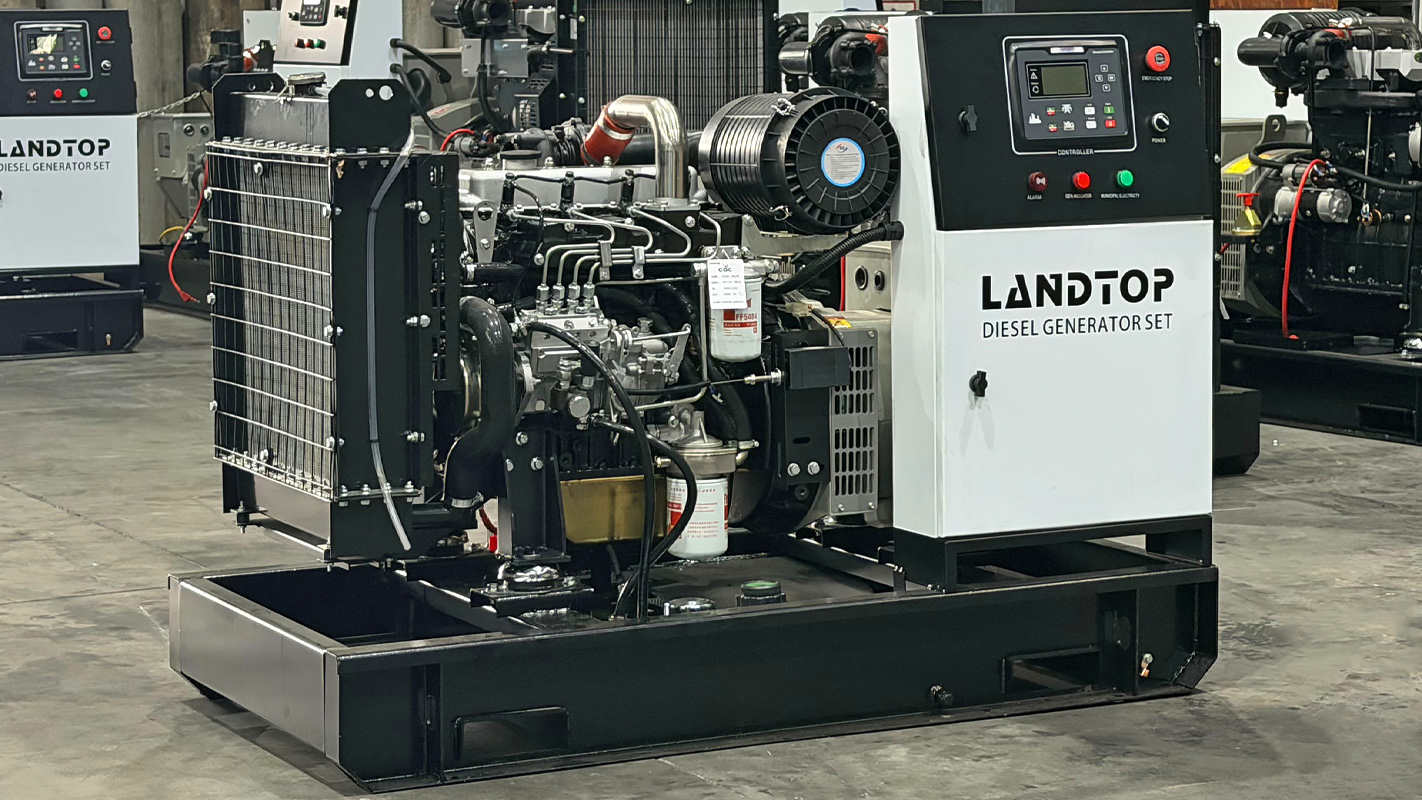
Biogas Generators: Sustainable Power with Trade-offs
author: LANDTOP- Ray
2025-06-11

Amid global decarbonization drives, biogas generators transform organic waste into renewable electricity – yet balancing their benefits and limitations is essential for implementation success.
Key Advantages
- Environmental Circularity
Biogas systems convert methane-rich waste (agricultural/industrial/municipal) into power, achieving dual sustainability wins:- Emission Reduction: Captures CH₄ (25x more potent than CO₂ as a greenhouse gas) during decomposition.
- Waste Valorization: Diverts organic matter from landfills, reducing soil/water contamination risks.
- Operational Economy
- Fuel Cost Savings: Utilizes freely available feedstock (manure/crop residue/food waste), slashing long-term fuel expenses versus diesel generators.
- Policy Incentives: Qualifies for renewable energy certificates (RECs) and carbon credits in multiple jurisdictions.
- Grid Independence: Provides off-grid reliability for remote facilities lacking stable power access.
- Energy Security
- Stabilizes local energy supply by converting decentralized waste streams into baseload or peaking power.
- Complements solar/wind via dispatchable generation during intermittency periods.
Critical Limitations
- Technical Complexities
- Gas Quality Sensitivity: Requires consistent methane concentration (typically 50-70%) for stable combustion; low-CH₄ sources demand costly purification.
- Impurity Corrosion: Hydrogen sulfide (H₂S) in untreated biogas accelerates engine corrosion, necessitating scrubbers.
- Infrastructure Demands
- Feedstock Logistics: Daily collection/transport of organic waste raises operational overheads.
- Storage Limitations: Biogas cannot be economically stored long-term, mandating continuous consumption.
- Economic Barriers
- High CAPEX: Capital costs exceed diesel/solar equivalents by 30–50%, mainly for gas cleaning/engine systems.
- Maintenance Intensity: Frequent servicing needed for valves, filters, and pumps handling abrasive contaminants.
Strategic Implementation
Optimal deployment scenarios include:
- Agricultural Hubs: Livestock farms with predictable manure output.
- Wastewater Plants: Sewage sludge as stable biogas source.
- Food Processors: Repurposing organic byproducts onsite.
Conclusion:
Biogas generators unlock circular economy value but demand rigorous feasibility analysis. With advancing purification tech and emission pricing mechanisms, they remain pivotal for achieving net-zero industrial operations.
LPG Generators: Balancing Clean Power with Practical Trade-offs
Natural Gas Generators: Powering Efficiency with Clean Energy
Related Article

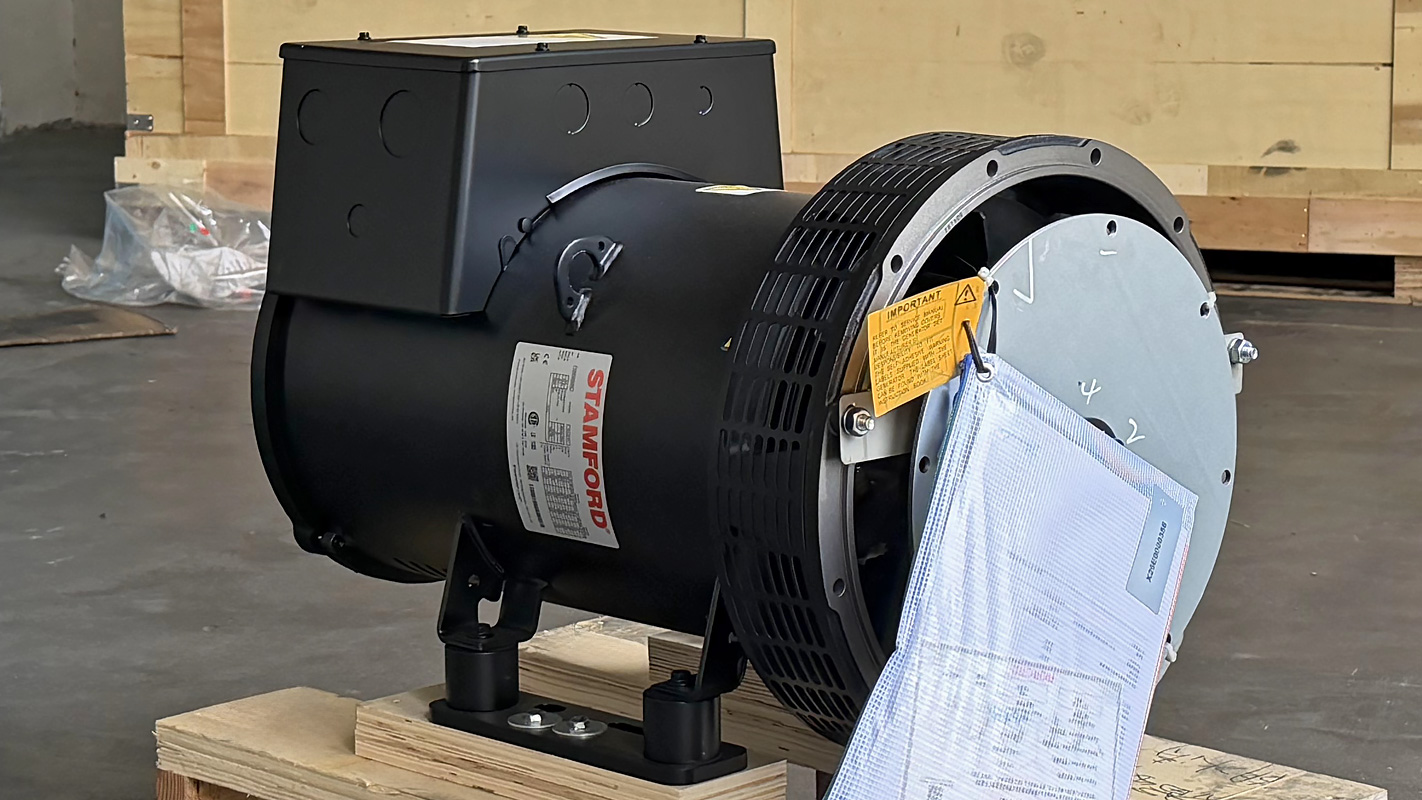
Heavy duty brush alternator maintains stable performance under tough and extreme working environments.
Brush Alternator Withstanding Harsh Working Conditions
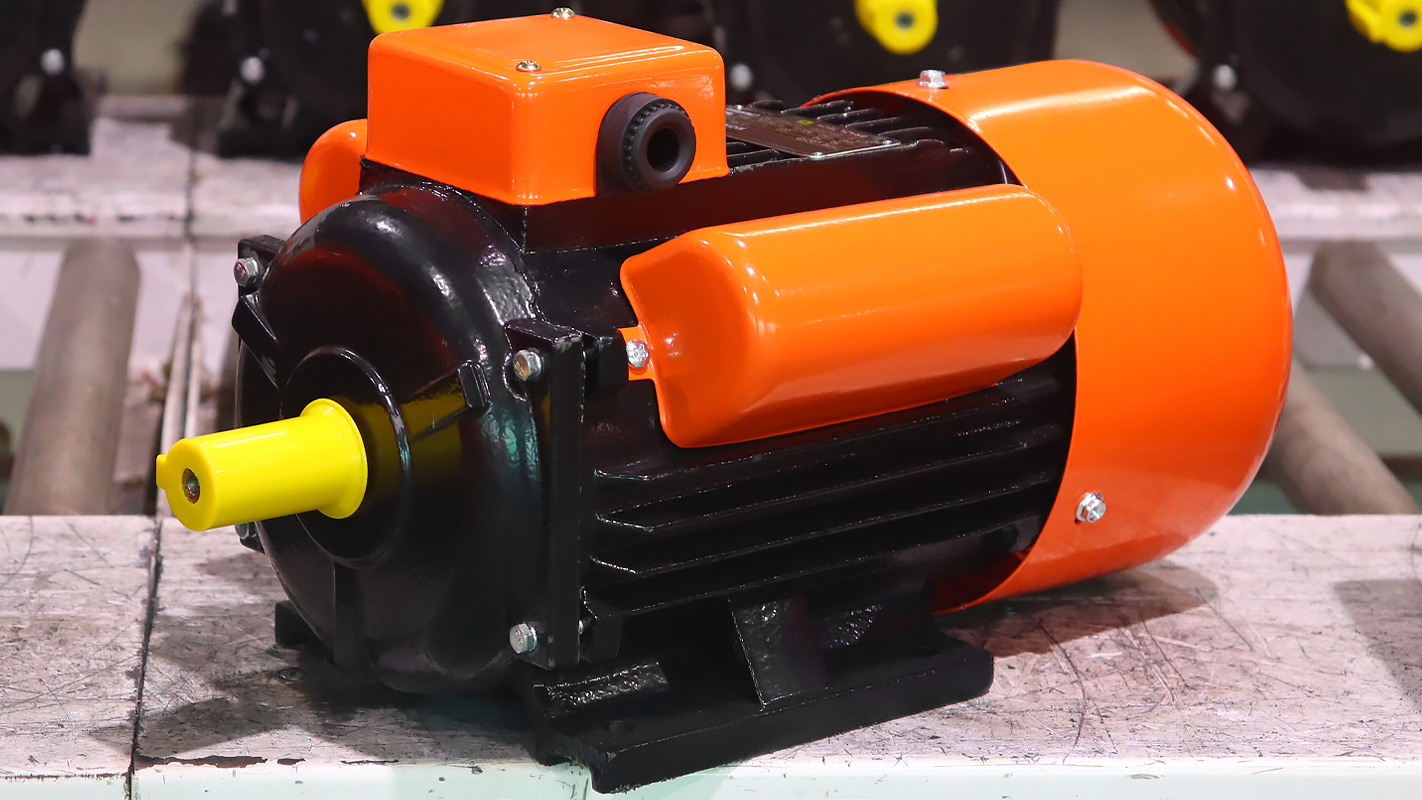
High-performance electric motors boost industrial output and streamline daily operational workflows efficiently.
Electric Motor Improving Industrial Productivity