Brush Alternator vs. Brushless Alternator: A Comprehensive Guide for Industrial Applications
As a global leader in power generation solutions, FUZHOU LANDTOP CO., LTD. (referred to as LANDTOP) has been delivering cutting-edge alternator technology to industries worldwide since 2011. When choosing between brush alternators and brushless alternators, businesses must balance performance, maintenance, and long-term costs. This guide provides a detailed comparison to help international clients make data-driven decisions while showcasing LANDTOP's expertise in advanced brushless alternator design.
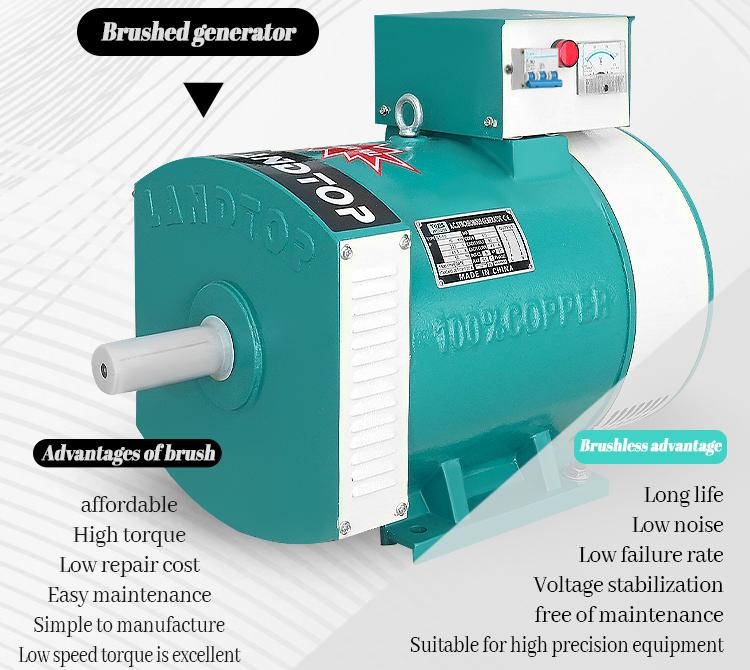


1. Working Principles & Structural Differences
Brush Alternator:
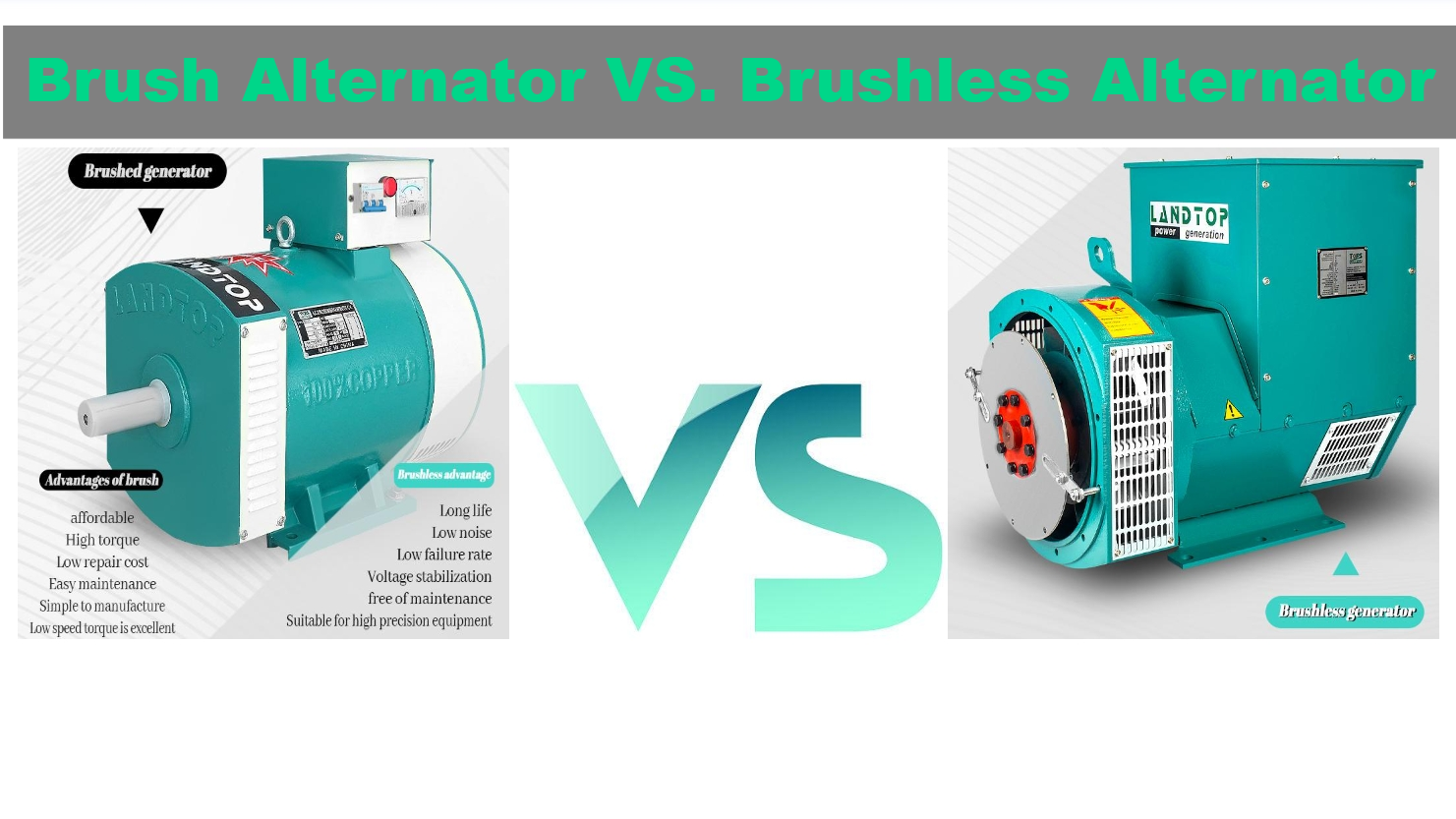
Traditional brush alternators rely on carbon brushes and slip rings to transfer electrical current between stationary and rotating components. While simple in design, physical contact between brushes and commutators causes gradual wear, requiring frequent maintenance.
Brushless Alternator:
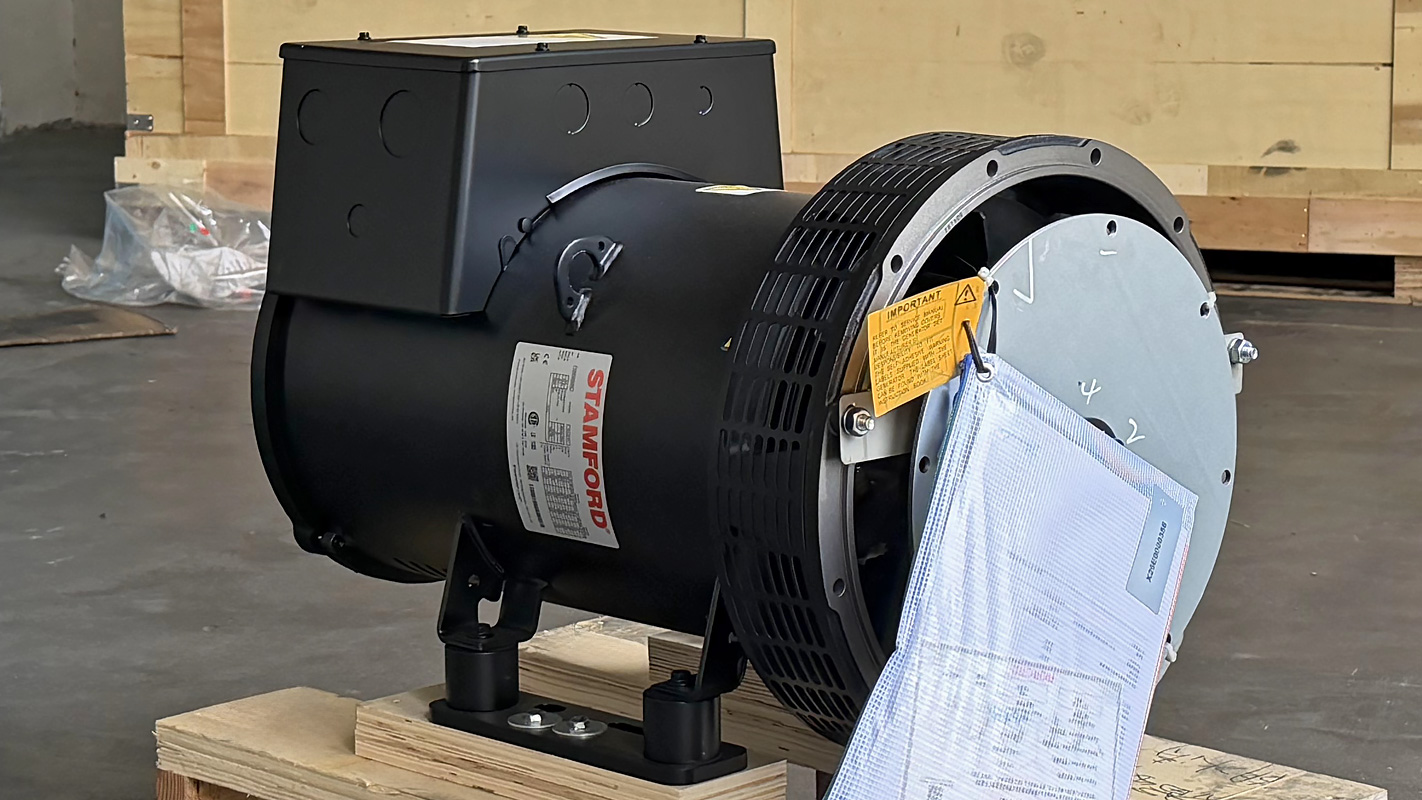
LANDTOP's brushless alternators eliminate brushes entirely through self-excitation technology, which generates magnetic fields via controlled electrical circuits rather than permanent magnets. This frictionless design ensures higher durability and efficiency, particularly in heavy-duty applications.
2. Efficiency & Performance
Brush Alternator:
- Lower Initial Cost: Ideal for short-term projects or budget-limited scenarios.
- Energy Loss: Brush friction generates heat, reducing efficiency by 5–12%.
- Voltage Fluctuations: Output may drop under variable loads due to brush wear.
Brushless Alternator:
- Superior Efficiency: Self-excitation system minimizes energy loss, achieving 90–95% efficiency even during continuous operations.
- Stable Output: Integrated electronic regulators maintain consistent voltage across dynamic load conditions.
3. Maintenance & Lifespan
Brush Alternator:
- High Maintenance: Brushes require replacement every 1,000–2,000 hours, increasing downtime.
- Shorter Lifespan: Average service life is 3–5 years under moderate use.
Brushless Alternator:
- Minimal Maintenance: No brushes or permanent magnets reduce wear; maintenance intervals extend to 5,000+ hours.
- Extended Durability: LANDTOP's alternators are engineered for 10–15 years of reliable service in harsh environments.
4. Cost Analysis
| Factor | Brush Alternator | LANDTOP Brushless Alternator |
|---|---|---|
| Initial Cost | 500–500–2,500 | 2,000–2,000–6,000 |
| 5-Year Maintenance | 800–800–2,000 | 200–200–600 |
| Energy Savings | – | Up to 40% reduction |
Note: Costs vary by power capacity (5kVA to 2500kVA models available).
5. Application Scenarios
Brush Alternator:
- Temporary Use: Construction sites, emergency backup systems.
- Low-Frequency Operations: Small workshops with intermittent power needs.
Brushless Alternator:
- Mission-Critical Systems: Hospitals, data centers, marine power grids.
- Heavy Industries: Mining, manufacturing, and renewable energy plants.
6. Why Choose LANDTOP?
As an ISO 9001-certified manufacturer with 14+ years of expertise, LANDTOP redefines brushless alternator standards:
- Proprietary Self-Excitation Technology: Eliminates dependency on permanent magnets for enhanced reliability.
- Global Compliance: Meets CE certification for seamless integration worldwide.
- Custom Solutions: Tailored designs for voltage, frequency, and environmental requirements.
- 24/7 Support: Rapid technical assistance and spare parts delivery across 50+ countries.
Conclusion
While brush alternators may suit temporary needs, LANDTOP's brushless alternators offer unmatched long-term value through superior efficiency, durability, and cost savings. For industries prioritizing operational stability and reduced total ownership costs, our self-excited brushless technology delivers a future-proof solution.
Explore LANDTOP's product catalog today and contact our experts to optimize your power systems!
Keywords: brush alternator, brushless alternator, self-excitation technology, industrial generator, LANDTOP alternators.
Revolutionizing Power Supply: Next-Gen Diesel Generators for Emerging Economies
Why Do Low-Income Families Prioritize Buying Diesel Generators as Backup Power?
Related Article