Corrosion Resistant Generator Set Technology
author: LANDTOP- Ray
2025-11-25
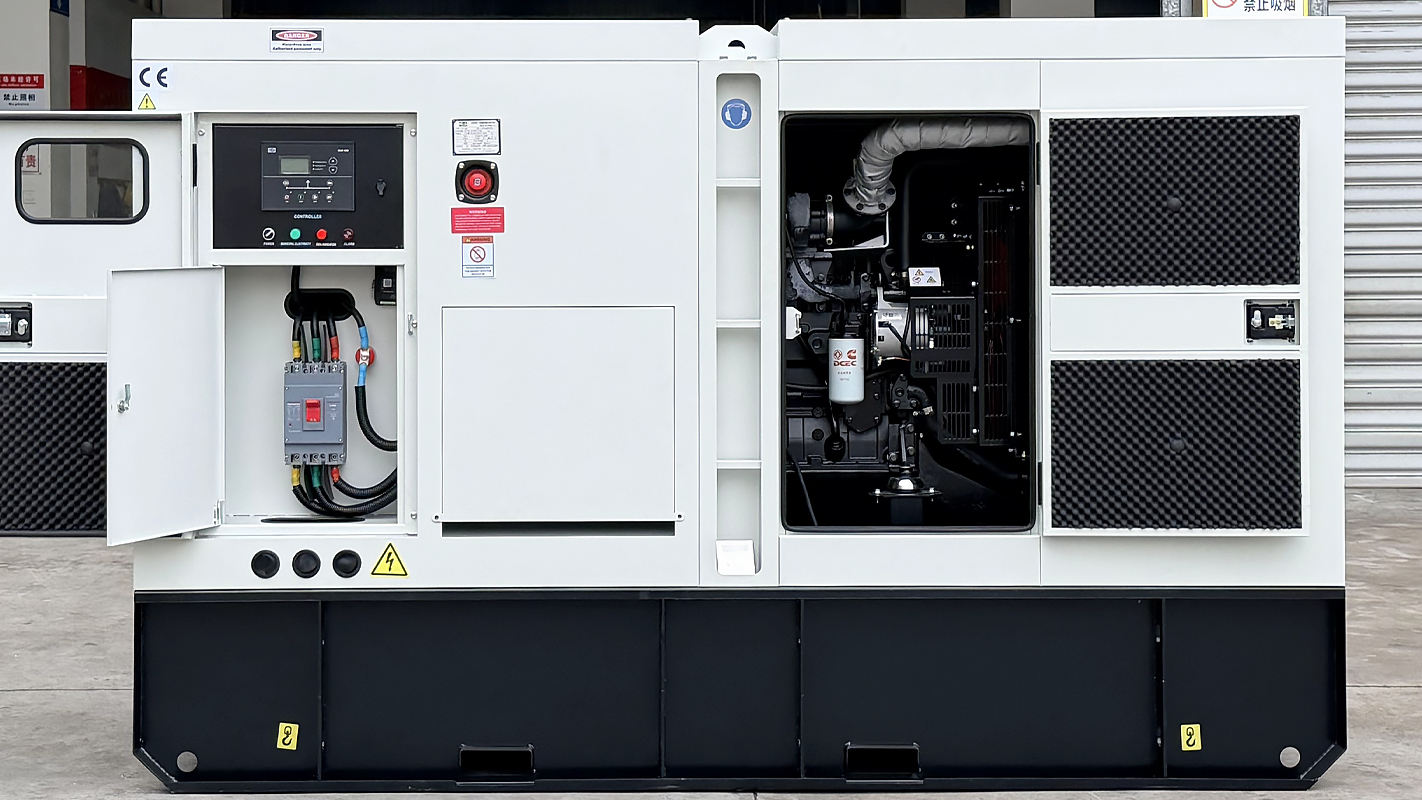
The integrity of generator sets is paramount across diverse industries, from maritime operations to industrial manufacturing, yet their performance is severely threatened by corrosive environments. These settings, characterized by high humidity, salt spray, chemical exposure, or acidic pollutants, accelerate material degradation, leading to frequent failures, increased maintenance costs, and operational downtime. At our company, we are pioneering cutting-edge corrosion-resistant technologies designed to shield generator sets from such harsh conditions, ensuring unparalleled reliability and longevity. This innovation represents a significant leap in engineering, integrating advanced materials, intelligent design principles, and proactive maintenance strategies to combat corrosion at its core. By leveraging these solutions, industries can achieve sustainable power generation even in the most challenging atmospheres, minimizing environmental impact while maximizing efficiency. Our commitment to research and development has yielded holistic approaches that not only protect critical components but also enhance overall system resilience, positioning us as leaders in the evolution of generator technology for corrosive-prone applications.
Corrosion-resistant generator set technology begins with the strategic selection and application of high-performance materials that inherently resist degradation. Traditional generators often rely on standard metals like steel, which are vulnerable to rust and pitting when exposed to moisture or chemicals. Our approach incorporates specialized alloys, such as duplex stainless steel or nickel-based composites, which offer superior resistance to oxidation and chemical attack. These materials are complemented by advanced surface treatments, including nanotechnology-based coatings and thermal sprays, that create impermeable barriers against corrosive agents. For instance, ceramic coatings infused with hydrophobic properties repel water and salts, while self-healing polymers automatically repair minor scratches to maintain integrity. Beyond materials, design enhancements play a crucial role; sealed enclosures with IP68-rated protection prevent ingress of contaminants, and optimized ventilation systems reduce condensation buildup. This multi-layered defense is further augmented by cathodic protection systems, which use electrical currents to inhibit electrochemical corrosion, ensuring that generator components like rotors, stators, and enclosures remain intact over extended periods. Such innovations not only extend equipment lifespan by up to 40% but also reduce the need for frequent interventions, translating to substantial cost savings and operational continuity in sectors like offshore energy, mining, and coastal infrastructure.
The benefits of these corrosion protection technologies extend far beyond mere durability, encompassing broader operational, economic, and environmental advantages. By mitigating corrosion-related failures, generator sets achieve higher reliability, reducing unplanned outages that can disrupt critical processes and incur financial losses. This enhanced dependability is particularly vital in remote or inaccessible locations, where maintenance access is limited and failures can have cascading effects on safety and productivity. Economically, the initial investment in corrosion-resistant designs is offset by long-term savings through decreased repair frequency and lower replacement costs, with studies indicating potential reductions in total ownership expenses by 25-30%. Environmentally, these technologies promote sustainability by minimizing resource waste—less material degradation means fewer components end up in landfills—and by improving energy efficiency. Well-protected generators operate at peak performance, reducing fuel consumption and emissions, which aligns with global initiatives for greener industrial practices. Additionally, the integration of smart monitoring systems, such as IoT sensors and AI-driven analytics, allows for real-time corrosion detection and predictive maintenance. These tools analyze data on humidity, temperature, and chemical exposure to forecast potential issues before they escalate, enabling proactive adjustments that further safeguard equipment. As industries face increasing regulatory pressures and climate-related challenges, our corrosion-resistant solutions provide a scalable framework for adapting to evolving environmental standards, ensuring that generators not only survive but thrive in corrosive settings.
Looking ahead, the future of corrosion protection for generator sets is intertwined with ongoing innovations in materials science and digitalization. Our company is at the forefront of this evolution, investing in next-generation developments like biodegradable coatings that reduce ecological footprints, and hybrid designs incorporating renewable energy sources to lower operational stresses. Collaborative efforts with academic institutions are exploring graphene-enhanced composites and machine learning algorithms for even more precise corrosion prediction, paving the way for autonomous systems that self-adapt to environmental changes. The societal impact is profound, as these advancements support disaster-resilient infrastructure and equitable access to reliable power in vulnerable regions. We invite stakeholders to explore how our technologies can transform their operations—visit our website to learn more about implementing these solutions for a corrosion-free future.
Corrosion-resistant generator set technology begins with the strategic selection and application of high-performance materials that inherently resist degradation. Traditional generators often rely on standard metals like steel, which are vulnerable to rust and pitting when exposed to moisture or chemicals. Our approach incorporates specialized alloys, such as duplex stainless steel or nickel-based composites, which offer superior resistance to oxidation and chemical attack. These materials are complemented by advanced surface treatments, including nanotechnology-based coatings and thermal sprays, that create impermeable barriers against corrosive agents. For instance, ceramic coatings infused with hydrophobic properties repel water and salts, while self-healing polymers automatically repair minor scratches to maintain integrity. Beyond materials, design enhancements play a crucial role; sealed enclosures with IP68-rated protection prevent ingress of contaminants, and optimized ventilation systems reduce condensation buildup. This multi-layered defense is further augmented by cathodic protection systems, which use electrical currents to inhibit electrochemical corrosion, ensuring that generator components like rotors, stators, and enclosures remain intact over extended periods. Such innovations not only extend equipment lifespan by up to 40% but also reduce the need for frequent interventions, translating to substantial cost savings and operational continuity in sectors like offshore energy, mining, and coastal infrastructure.
The benefits of these corrosion protection technologies extend far beyond mere durability, encompassing broader operational, economic, and environmental advantages. By mitigating corrosion-related failures, generator sets achieve higher reliability, reducing unplanned outages that can disrupt critical processes and incur financial losses. This enhanced dependability is particularly vital in remote or inaccessible locations, where maintenance access is limited and failures can have cascading effects on safety and productivity. Economically, the initial investment in corrosion-resistant designs is offset by long-term savings through decreased repair frequency and lower replacement costs, with studies indicating potential reductions in total ownership expenses by 25-30%. Environmentally, these technologies promote sustainability by minimizing resource waste—less material degradation means fewer components end up in landfills—and by improving energy efficiency. Well-protected generators operate at peak performance, reducing fuel consumption and emissions, which aligns with global initiatives for greener industrial practices. Additionally, the integration of smart monitoring systems, such as IoT sensors and AI-driven analytics, allows for real-time corrosion detection and predictive maintenance. These tools analyze data on humidity, temperature, and chemical exposure to forecast potential issues before they escalate, enabling proactive adjustments that further safeguard equipment. As industries face increasing regulatory pressures and climate-related challenges, our corrosion-resistant solutions provide a scalable framework for adapting to evolving environmental standards, ensuring that generators not only survive but thrive in corrosive settings.
Looking ahead, the future of corrosion protection for generator sets is intertwined with ongoing innovations in materials science and digitalization. Our company is at the forefront of this evolution, investing in next-generation developments like biodegradable coatings that reduce ecological footprints, and hybrid designs incorporating renewable energy sources to lower operational stresses. Collaborative efforts with academic institutions are exploring graphene-enhanced composites and machine learning algorithms for even more precise corrosion prediction, paving the way for autonomous systems that self-adapt to environmental changes. The societal impact is profound, as these advancements support disaster-resilient infrastructure and equitable access to reliable power in vulnerable regions. We invite stakeholders to explore how our technologies can transform their operations—visit our website to learn more about implementing these solutions for a corrosion-free future.
Self Excited AC Generator Advantages
Induction Motor Rotor Self Generation Analysis
Related Article

Heavy duty brush alternator maintains stable performance under tough and extreme working environments.
Brush Alternator Withstanding Harsh Working Conditions
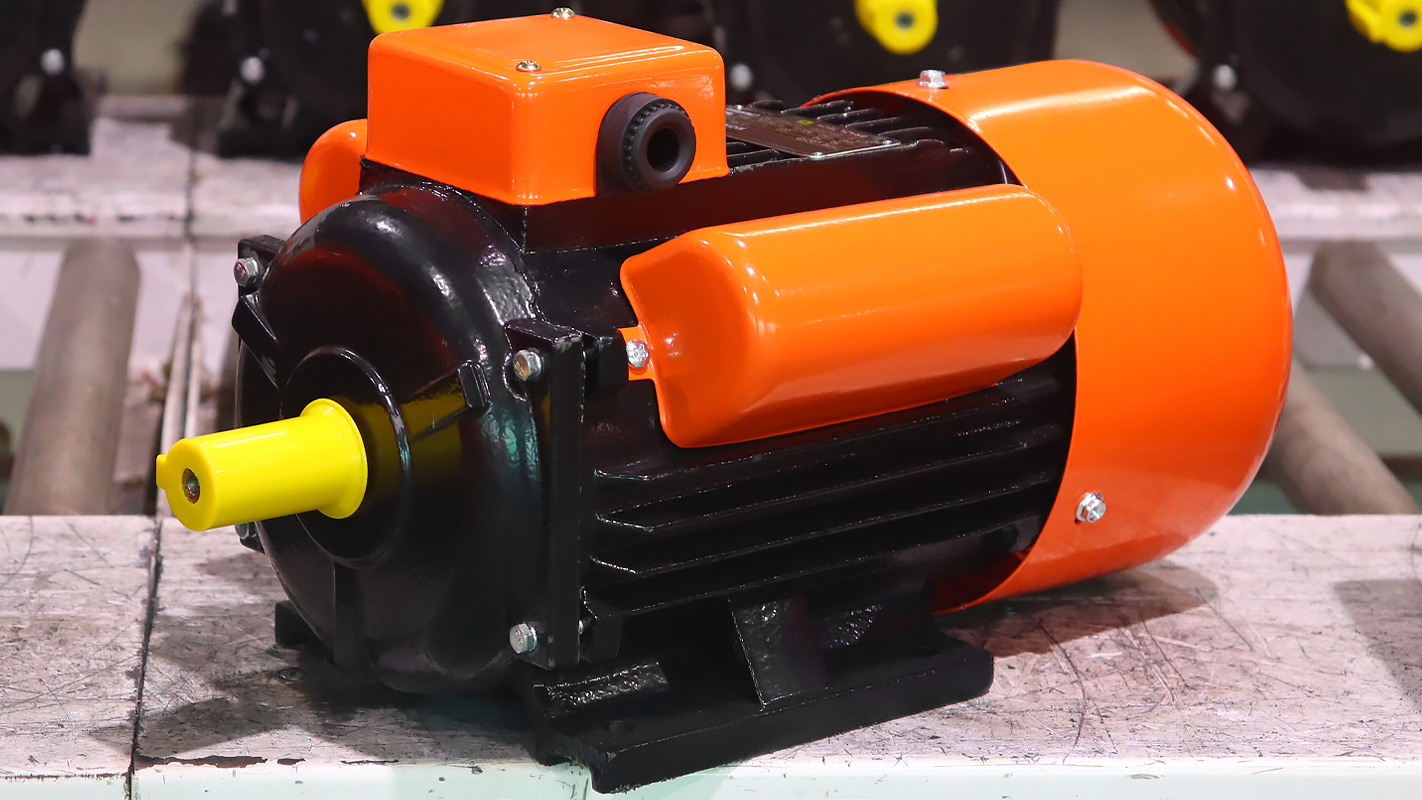
High-performance electric motors boost industrial output and streamline daily operational workflows efficiently.
Electric Motor Improving Industrial Productivity