Diesel Generator Grid Integration Standards

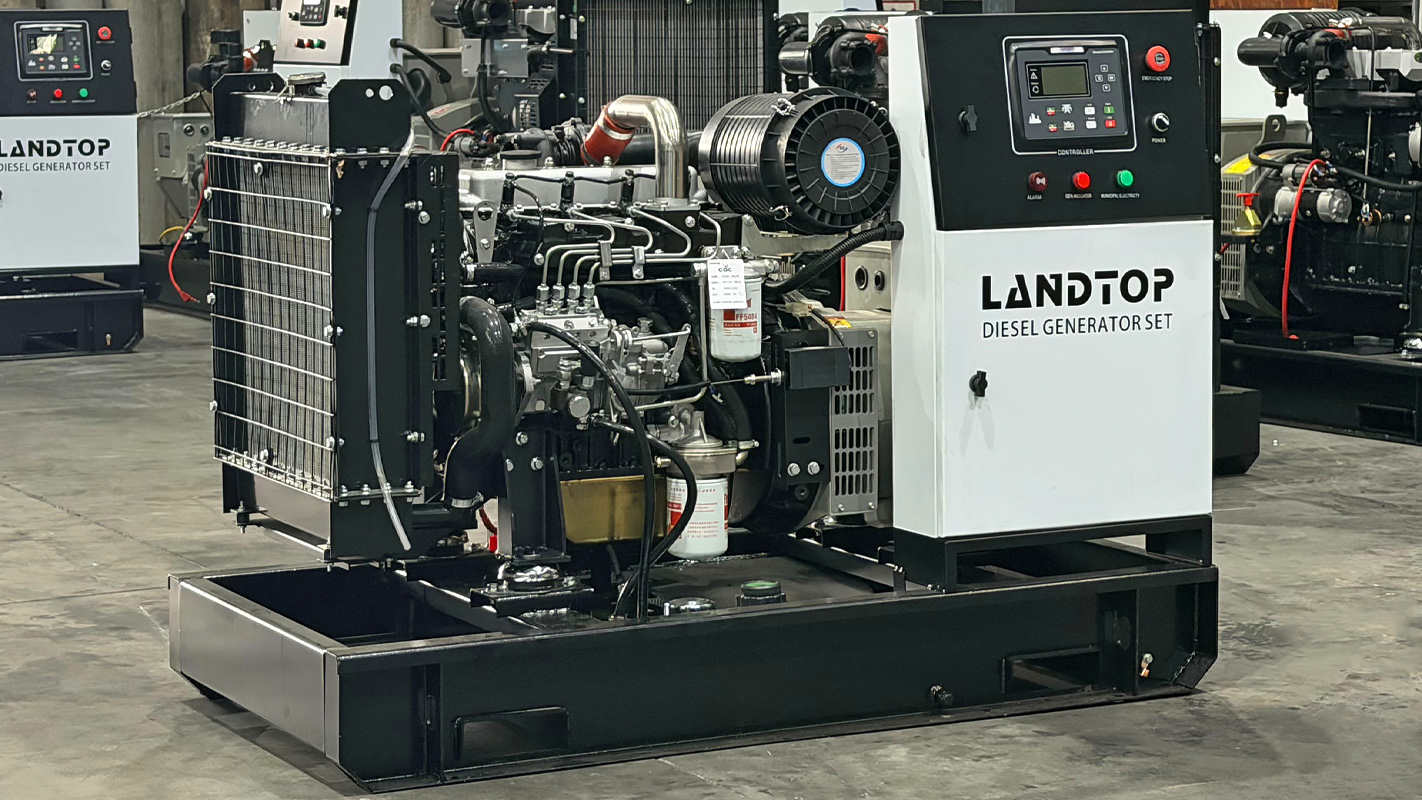
Integrating diesel generators with power grids demands strict adherence to technical specifications and safety protocols to ensure stable, hazard-free operation. Key technical requirements include precise frequency synchronization (±0.1 Hz) and voltage matching (±2%) through automatic voltage regulators (AVRs) and governor systems, which prevent phase misalignment and ensure smooth power transfer during grid-tied or islanding modes. Advanced control units enable real-time monitoring of parameters like harmonic distortion (maintained below 5% THD) and reactive power flow, optimizing grid stability under variable loads.
Safety regulations mandate robust protection mechanisms, such as anti-islanding features that instantly disconnect generators during grid failures to avoid back-feeding hazards, and integrated relay systems for overload and short-circuit prevention. Compliance with international standards like IEEE 1547 and IEC 61439-2 ensures grounding integrity, arc flash mitigation, and thermal management, reducing risks of equipment damage or fire. Implementing these frameworks involves regular audits and smart sensors for predictive fault detection, enhancing operational reliability while minimizing downtime. Ultimately, mastering these elements allows industries to leverage diesel generators as dependable backup solutions, supporting grid resilience and energy continuity without compromising safety or efficiency.
Synchronous Generator Excitation System Guide
Induction Motor Efficiency Boost Techniques
Related Article