Diesel Generator Load Testing Essential Guide
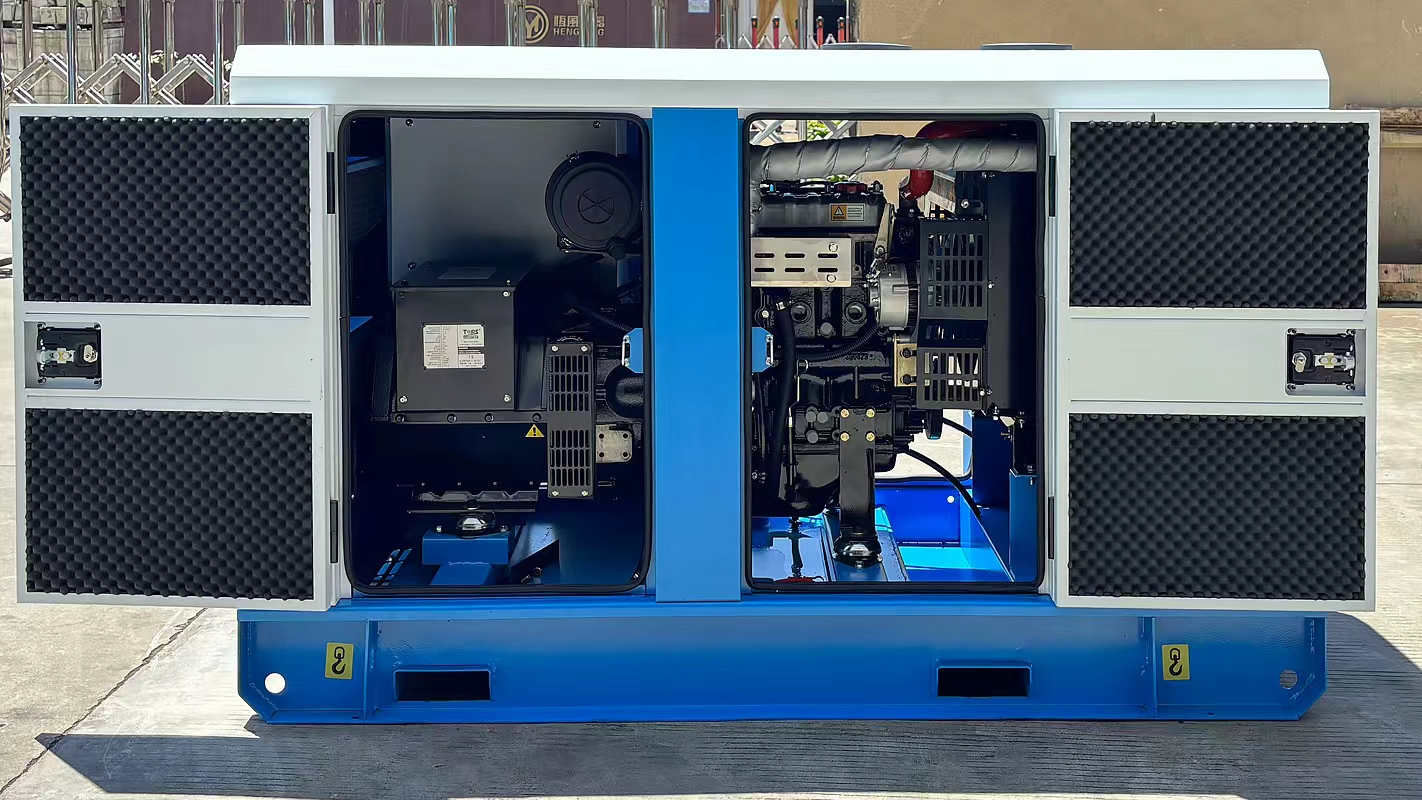
(17.5kW silent diesel generator set powered by RICARDO engine)
Diesel generator load testing is a critical maintenance procedure that validates operational readiness, verifies performance under stress, and prevents catastrophic failures during power outages. Unlike routine checks, load testing simulates real-world demands by applying controlled electrical loads to assess voltage regulation, frequency stability, and transient response. This guide explores systematic methodologies to maximize your backup power system's reliability while extending its service life.
Fundamentals of Load Testing
Effective load testing requires structured phase progression to evaluate generator behavior across operational thresholds. Begin with 20-minute baseline checks at 0% load to confirm stable idling parameters—coolant temperature, oil pressure, and exhaust emissions. Gradually escalate to 25%, 50%, and 75% of rated capacity at 15-minute intervals, monitoring voltage deviation (must stay within ±2%) and harmonic distortion. The culmination is a 2-hour 100% full-load test, where sustained performance under peak demand validates thermal management and fuel efficiency. Critical metrics include frequency droop (max 5% deviation), voltage unbalance (<1%), and exhaust gas temperature limits. This phased approach identifies hidden flaws like failing voltage regulators or deteriorating windings before they escalate.
Advanced Testing Considerations
Selecting appropriate load types is pivotal for accurate simulation. Resistive loads (e.g., heating elements) validate baseline capacity but lack real-world complexity. Incorporate reactive loads (inductive/capacitive) to mimic motors or transformers, which introduce power factor challenges (target 0.8–0.95 lagging). For mission-critical facilities like data centers, programmable electronic loads replicate dynamic IT equipment profiles, including 30% step-load changes to test transient recovery speed. Environmental factors also dictate protocols: High-altitude sites require derating calculations, while humid coastal operations mandate corrosion-resistance verification during testing.
Integration with Preventive Maintenance
Load testing synergizes with predictive maintenance regimes to reduce unplanned downtime. Post-test oil analysis detects fuel dilution or metal particulates indicating internal wear. Thermographic scans during full load reveal hotspots in connections or windings. Modern systems leverage IoT sensors for real-time monitoring of vibration patterns and exhaust analytics, enabling AI-driven failure forecasting. Align tests with regulatory cycles—e.g., NFPA 110 mandates annual testing for emergency systems—and document trends in digital logs to forecast component lifespans.
Technological Evolution
Innovations like modular load banks now enable decentralized testing across distributed microgrids, while cloud-based platforms automate report generation and compliance tracking. Future advancements will integrate digital twins for virtual stress simulations, reducing physical testing time by 40%.
(Note: This content is generated by AI technology. The accuracy and reliability of the information should be independently verified. FUZHOU LANDTOP CO., LTD. assumes no liability for consequences arising from the use of this AI-generated material.)
High Altitude Diesel Generator Power Solutions
Green Tech Revolution Generator Industry
Related Article