Diesel Generator Maintenance Essential Practices
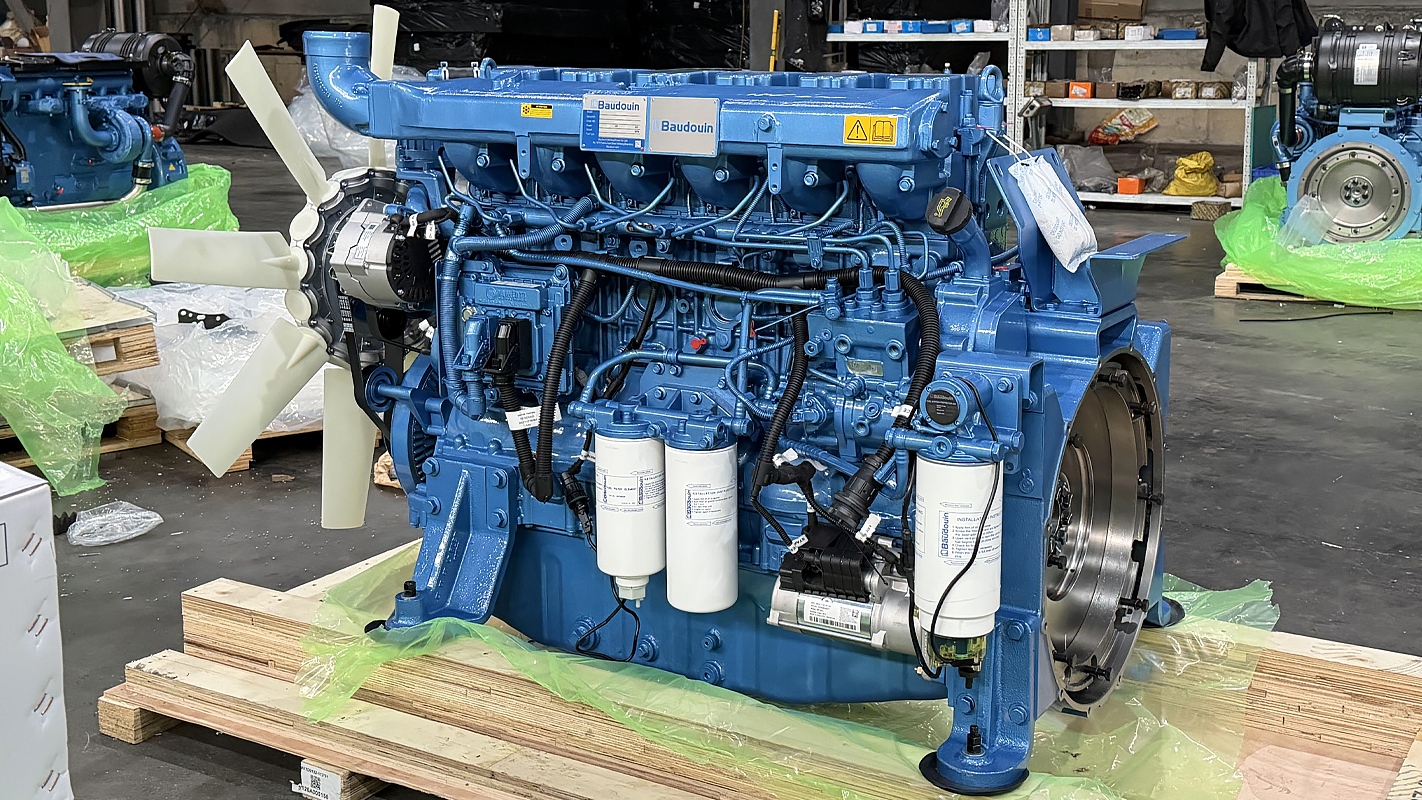
(BAUDOUIN diesel engine 6M21G550/5)
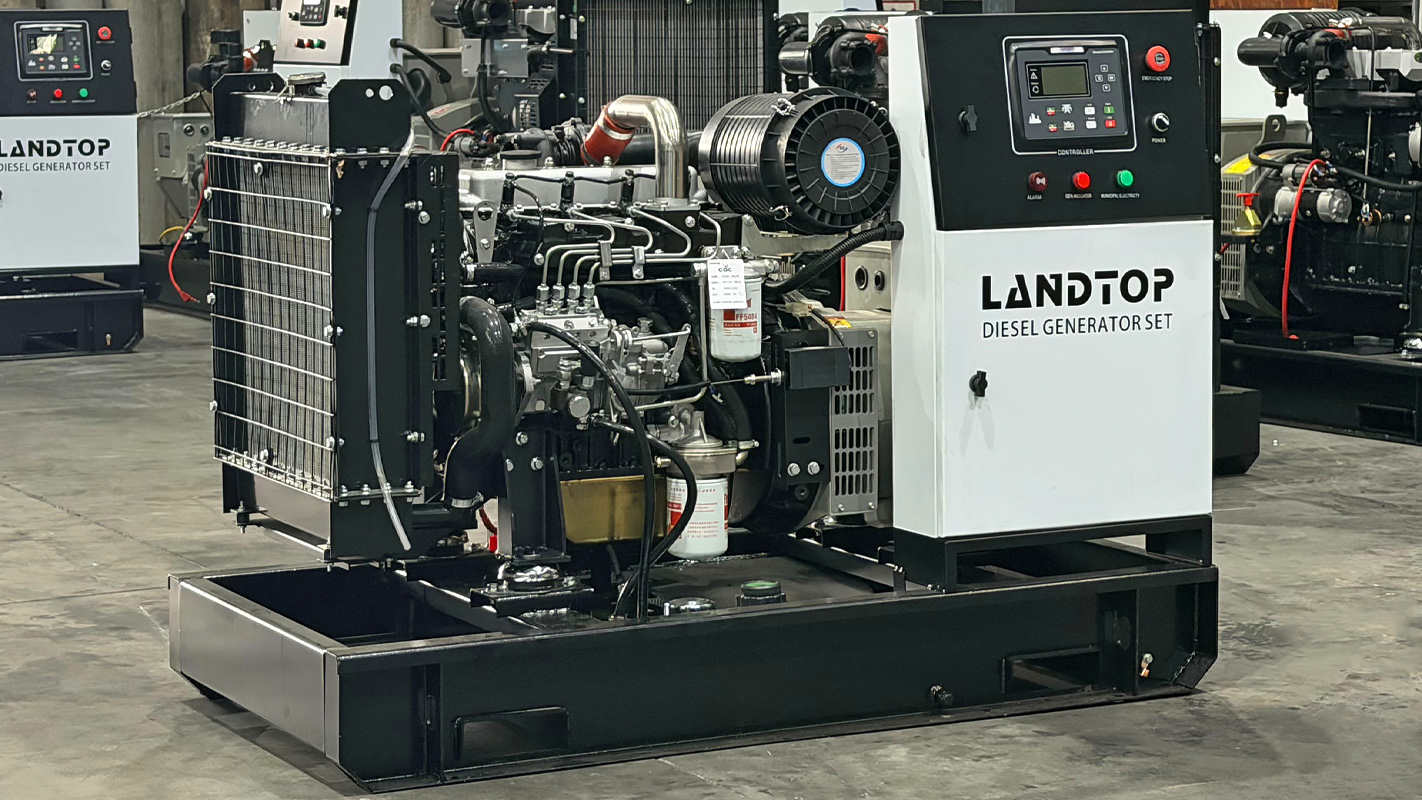
Maintaining diesel generators represents a critical operational priority across industries where uninterrupted power supply is non-negotiable. These robust systems serve as lifelines during grid failures, natural disasters, and in remote locations, making their reliability paramount. Unlike reactive approaches that address failures post-occurrence, a proactive maintenance philosophy focuses on preventing operational disruptions through systematic care protocols. This paradigm shift recognizes that well-maintained generators not only ensure operational continuity but also optimize lifecycle costs by minimizing catastrophic failures and extending equipment service years.
The cornerstone of effective maintenance begins with comprehensive inspection routines, which serve as early warning systems for potential issues. Daily visual checks should include monitoring coolant levels, inspecting for leaks, verifying battery charge status, and ensuring proper ventilation. More detailed monthly assessments involve examining belt tension, inspecting electrical connections for corrosion, and validating control panel functionality. These layered inspections create a diagnostic baseline, allowing technicians to identify anomalies like unusual vibrations or exhaust discoloration before they escalate into critical failures. Thermal imaging and acoustic monitoring further augment these visual checks by detecting invisible threats such as overheating components or abnormal mechanical friction.
Fluid management constitutes another vital pillar of diesel generator upkeep. Engine oil, coolant, and fuel require meticulous quality control and replacement schedules dictated by operational hours and environmental conditions. Oil degradation accelerates in high-temperature environments or under variable loads, necessitating more frequent changes than manufacturer recommendations might suggest. Coolant maintenance goes beyond mere level checks; it involves monitoring pH balance and additive depletion to prevent corrosion and scaling within the cooling system. Fuel preservation strategies are particularly crucial for standby generators, where fuel stagnation can lead to microbial growth, sediment accumulation, and oxidation. Implementing biocide treatments, periodic polishing, and tank rotation protocols preserves fuel integrity during extended storage periods.
Component-specific care extends beyond fluids to encompass air intake systems, exhaust pathways, and electrical assemblies. Air filters demand regular replacement in dusty environments to prevent particulate ingress that causes cylinder wear and compression loss. Exhaust system inspections should target carbon buildup and structural integrity to maintain backpressure specifications and prevent hazardous leaks. Electrical maintenance involves cleaning connections, verifying torque specifications, and testing insulation resistance to prevent arc faults and voltage irregularities. Special attention should be directed toward battery health—the most common point of failure—through terminal cleaning, specific gravity testing, and maintaining proper charge cycles to ensure instant starting capability.
Load bank testing provides the definitive validation of generator readiness by simulating real operational demands. This procedure exercises the generator at significant load percentages (typically 70-90% of capacity), allowing technicians to verify performance parameters including voltage regulation, frequency stability, and exhaust temperature profiles under stress. Annual testing burns off carbon deposits, purges moisture from lubrication systems, and identifies voltage regulator or governor issues that remain hidden during no-load operation. Combined with automatic transfer switch testing, this process confirms the entire backup power ecosystem functions seamlessly during simulated grid failure scenarios.
Documenting maintenance activities creates an invaluable historical record for predictive analytics and compliance verification. Modern computerized maintenance management systems (CMMS) track service histories, component replacements, and performance trends. These digital logs facilitate condition-based maintenance by identifying patterns—such as increasing oil consumption or decreasing insulation resistance—that signal impending failures. Furthermore, they provide auditable proof of regulatory compliance for facilities governed by NFPA 110, ISO 8528, or local fire safety codes mandating specific testing frequencies.
Implementing these maintenance essentials demands a structured approach combining scheduled interventions with continuous monitoring technologies. Vibration sensors, oil spectrometry, and exhaust gas analysis enable predictive maintenance by detecting microscopic wear particles or combustion anomalies long before symptoms become apparent. This transition from calendar-based to condition-based maintenance represents the industry's evolution toward maximum availability with optimized resource allocation. Facilities adopting this holistic strategy transform their diesel generators from unpredictable emergency assets into dependable power guardians.
AC Generator Motor Pairing Benefits
Induction Motor Speed Control Mechanics
Related Article