Diesel Generator Set Practical Secrets

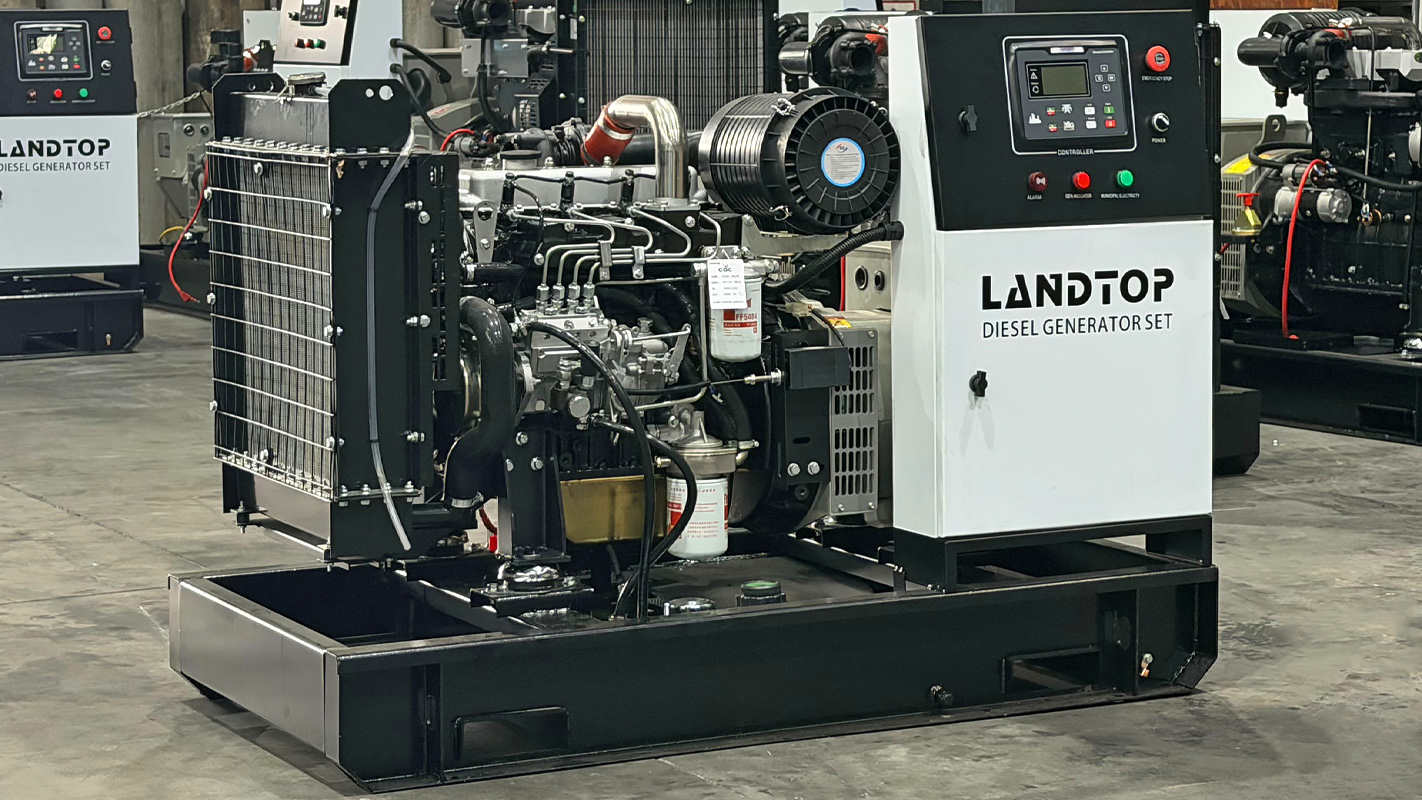
(80kW silent diesel generator powered by Cummins engine 6BT5.9-G1)
Diesel generator sets remain indispensable power assets across industries, yet their full potential is often unrealized due to overlooked operational principles and evolving technological capabilities. The true efficiency of these systems extends far beyond basic mechanical operation, encompassing sophisticated design synergies between combustion dynamics, thermal management, and intelligent control systems. Modern units leverage computational fluid dynamics to optimize air-fuel mixing in combustion chambers, achieving near-complete burn cycles that minimize particulate emissions while extracting maximum energy from each droplet of fuel. Simultaneously, integrated cooling architectures employ multi-stage heat recovery – capturing exhaust gas enthalpy to preheat intake air or support cogeneration – transforming waste into usable energy. These foundational innovations establish diesel gensets not merely as backup solutions but as efficient primary power sources capable of 90%+ overall energy utilization when properly configured.
Operational excellence hinges on mastering three interconnected pillars: adaptive load management, predictive maintenance, and fuel intelligence. Advanced microprocessor controllers now dynamically adjust generator output in 0.1-second intervals, maintaining optimal loading between 70-80% capacity where diesel engines achieve peak thermal efficiency. This prevents the catastrophic 15-20% efficiency penalty from chronic underloading while avoiding stress from overload transients. Complementing this, sensor arrays monitor 200+ operational parameters in real-time – from injector pressure waveforms to bearing vibration spectra – feeding data into machine learning algorithms that predict component degradation months before failure. Operators receive actionable alerts to address minor issues during scheduled downtime, reducing unplanned outages by up to 75%. Fuel quality management constitutes the third critical dimension: Nano-filtration systems coupled with dielectric spectroscopy sensors continuously purify fuel and detect microbial contamination, preserving combustion efficiency and preventing injector fouling that degrades performance by 8-12% annually. Together, these strategies transform reactive maintenance into precision optimization, extending engine lifespan beyond 100,000 operating hours.
The sustainability transformation in diesel power generation reveals surprising environmental advantages through cutting-edge emission control and hybrid integration. Selective catalytic reduction (SCR) systems now achieve NOx reduction rates exceeding 95% by injecting precisely measured urea solutions into exhaust streams at temperature-controlled reaction chambers. Particulate traps with automatic regeneration cycles capture 99.9% of sub-micron carbon particles, while oxidation catalysts convert carbon monoxide into harmless CO₂ at 98% efficiency. Beyond exhaust treatment, the emergence of renewable-diesel hybrids creates unprecedented eco-efficiency: Generators equipped with bidirectional inverters can absorb surplus solar/wind energy to power auxiliary systems or even feed back into microgrids during low-demand periods. This capability reduces runtime by 40-60% in combined installations while maintaining grid-forming stability. Furthermore, advanced biofuels derived from hydrotreated vegetable oil (HVO) slash net carbon emissions by 90% compared to conventional diesel, with identical energy density and superior cetane ratings enhancing combustion cleanliness. These innovations position modern diesel gensets as transitional assets toward carbon neutrality, complying with Euro Stage V and EPA Tier 4 Final standards while providing dispatchable power that intermittent renewables cannot.
Practical implementation demands holistic lifecycle planning encompassing acoustic engineering, cybersecurity, and disaster resilience. Next-generation sound attenuation employs frequency-targeted absorption materials that dampen critical noise bands between 500-2000 Hz, achieving 65 dBA sound pressure levels at 1 meter without compromising airflow. Cybersecurity has become equally vital as generators integrate into IIoT networks; hardware-enforced encryption and zero-trust architecture prevent remote tampering with control systems while allowing secure performance monitoring. For mission-critical applications like hospitals or data centers, gensets now incorporate seismic mounting systems that withstand 0.5g lateral accelerations and submersible enclosures rated for 72-hour flood survival. The convergence of these technologies delivers unprecedented value: 30% lower total cost of ownership over 15-year lifecycles, 50% faster deployment through modular designs, and compliance with evolving environmental regulations. As industries navigate energy transitions, these practical secrets empower operators to harness diesel technology's full potential as a reliable, efficient, and increasingly sustainable power solution.
Self Excited Alternator New Highlights
Induction AC Motor Efficiency Secrets
Related Article