Advanced Gas Engine Solutions for Industrial Power Generation
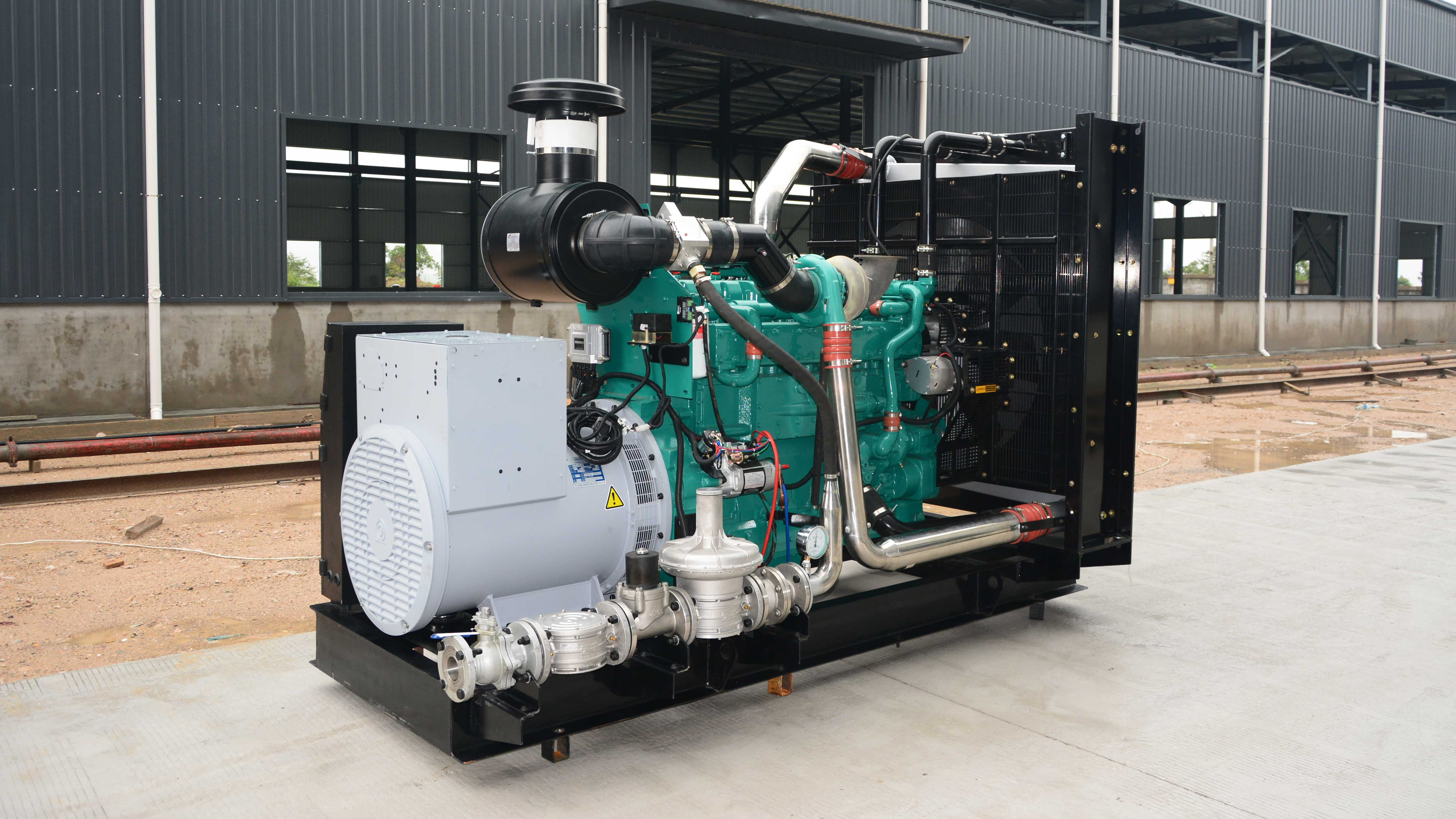
H1: Transforming Industrial Energy with Gas Engine Technology
The global shift toward sustainable energy has positioned gas engines as a cornerstone of industrial power generation. These systems leverage natural gas—a cleaner alternative to traditional fuels—to provide reliable electricity while minimizing environmental impact. As industries face mounting pressure to reduce carbon footprints, gas engines offer a pragmatic solution that balances operational efficiency with ecological responsibility. Their adaptability spans diverse sectors, from manufacturing plants to decentralized microgrids, ensuring consistent performance even in demanding environments.
H2: Core Advantages of Modern Gas Engines
-
Fuel Efficiency and Cost Savings
Advanced gas engines achieve thermal efficiencies exceeding 45%, significantly lowering operational costs compared to conventional diesel units. By optimizing combustion dynamics and integrating intelligent air-fuel ratio controls, these systems maximize energy output while minimizing waste. The inherent stability of natural gas prices further insulates industries from volatile fuel markets, enabling predictable long-term budgeting. -
Emissions Reduction and Sustainability
Gas engines reduce CO₂ emissions by up to 25% versus diesel counterparts and virtually eliminate sulfur oxides (SOₓ) and particulate matter. Modern designs incorporate pre-chamber combustion technology and stoichiometric control mechanisms, ensuring compliance with stringent environmental standards like Euro VI and EPA Tier 4. This alignment with global decarbonization goals makes gas engines pivotal for industries pursuing net-zero roadmaps. -
Operational Flexibility and Durability
Engineered for continuous operation, industrial gas engines feature reinforced components resistant to thermal stress and corrosion. Modular designs allow seamless integration with combined heat and power (CHP) systems, converting waste heat into usable thermal energy—boosting overall efficiency to 90%. Their compatibility with renewable biogas and hydrogen blends (up to 20%) enhances future-proofing capabilities without retrofitting costs.
H3: Smart Technology Integration
The latest gas engines embed Industry 4.0 innovations for predictive maintenance and real-time optimization:
- IoT Sensors monitor cylinder pressure, temperature, and vibration patterns, enabling AI-driven anomaly detection.
- Digital Twin Simulations forecast component wear, reducing unplanned downtime by 40%.
- Remote Control Interfaces streamline operations across distributed sites via centralized dashboards.
These technologies transform maintenance from reactive to proactive, extending engine lifespan while slashing service expenses.
H4: Driving Energy Transition in Key Sectors
-
Manufacturing and Utilities
Gas engines provide baseload power for high-energy facilities, stabilizing grids during peak demand. Their rapid startup capability (under 5 minutes) ensures uninterrupted production lines, critical for automotive, chemical, and semiconductor industries. -
Commercial and Residential Microgrids
Decentralized energy projects utilize gas engines as primary or backup power sources, enhancing community resilience. Their low noise profiles (below 65 dBA) permit urban deployment near residential zones, supporting smart city initiatives. -
Renewable Energy Hybridization
Gas engines complement solar/wind installations by offsetting intermittency issues. In hybrid configurations, they automatically adjust output to compensate for renewable fluctuations, enabling 24/7 clean energy supply.
H5: Engineering Innovations for Extreme Conditions
Manufacturers prioritize resilience through:
- Arctic-Grade Materials ensuring cold-weather ignition reliability at -30°C.
- Anti-Corrosion Coatings protecting critical components in humid coastal environments.
- Altitude Compensation Systems maintaining performance at 3,000+ meters above sea level.
Such adaptations guarantee uninterrupted operation in mining, oil/gas extraction, and remote infrastructure projects.
H6: Future Pathways: Hydrogen and Carbon Neutrality
Leading R&D focuses on hydrogen compatibility to achieve zero-carbon operation. Current innovations include:
• High-durability seals and liners resisting hydrogen embrittlement.
• Combustion chambers optimized for 100% hydrogen fuel.
• AI-controlled detonation suppression systems.
These advancements solidify gas engines' role in the circular economy, particularly for regions investing in green hydrogen infrastructure.
Call to Action
Ready to explore gas engine solutions tailored to your operational demands? Contact us now to optimize your energy strategy!
Yanmar Diesel Engines Powering Global Industries with Unmatched Efficiency
Industrial Diesel Generators: Reliable Backup Power Solutions for Critical Operations
Related Article