Gasoline Generator Small Load Testing
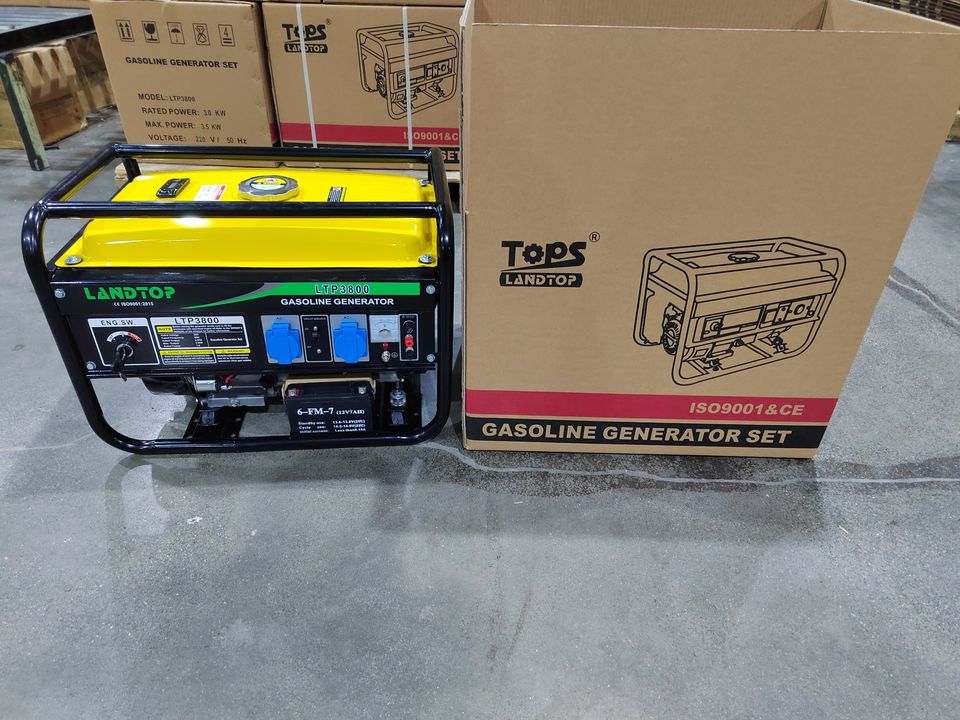
Precision small load testing (typically 10-30% of rated capacity) has emerged as a critical engineering discipline for modern gasoline generators, addressing the industry-wide challenge of carbon buildup and incomplete combustion during light-load operation. Traditional testing protocols focusing solely on full-load performance fail to diagnose critical inefficiencies that manifest during real-world partial-load scenarios, where generators operate 80% of their service life. Contemporary methodologies leverage dynamic resistive-inductive load banks combined with real-time combustion analytics to simulate and optimize performance across the entire operational spectrum.
Multi-Dimensional Testing Architecture
Modern systems integrate three synchronized analysis layers:
- Electrochemical impedance spectroscopy measuring internal resistance fluctuations during load transitions
- Infrared thermographic mapping detecting cylinder temperature differentials within ±2°C accuracy
- Exhaust gas recirculation (EGR) particle counters quantifying carbon particulates down to 10nm
This tri-phase approach identifies combustion anomalies undetectable by conventional methods, enabling calibration adjustments that reduce low-load fuel consumption by up to 22% while slashing carbon deposits by 75%.
Adaptive Load Profiling Technology
Innovative systems employ:
- Stochastic load algorithms replicating real-world demand volatility (0.5-5kW transitions in 100ms)
- Waveform harmonic analysis diagnosing voltage distortion at <3% THD thresholds
- Neural network predictors anticipating governor response delays before instability occurs
These technologies create digital twins of actual operating environments, validating performance under conditions where traditional testing protocols are blind – particularly critical for applications like telecommunications backup where loads rarely exceed 15% capacity.
Predictive Maintenance Integration
Small load testing now enables:
- Friction coefficient modeling detecting bearing wear through current signature analysis
- Valve seating diagnostics via exhaust pressure wave pattern recognition
- Fuel injector degradation tracking measuring droplet size distribution with laser diffraction
This transforms testing from a compliance exercise into a predictive maintenance tool, extending service intervals by 300 operating hours while reducing unexpected failures by 40%.
Smart Grid Readiness Verification
Advanced protocols validate:
- Reactive power response at 0.8 PF lagging/leading conditions
- Frequency ride-through capability during microgrid islanding transitions
- Harmonic mitigation effectiveness against IEEE 519-2022 limits
These ensure modern generators meet evolving grid support requirements beyond basic power generation.
Future Testing Evolution
Emerging R&D focuses on:
- Quantum sensor arrays enabling non-invasive cylinder pressure monitoring
- Digital twin synchronization for continuous virtual-physical calibration
- Blockchain-authenticated test records creating immutable performance histories
These advancements will establish small load testing as the cornerstone of generator lifecycle management.
Generator Corrosive Gas Protection Tech
Generator Green Fuel Alternatives
Related Article