Generators Green Shift Under Dual Carbon Goals
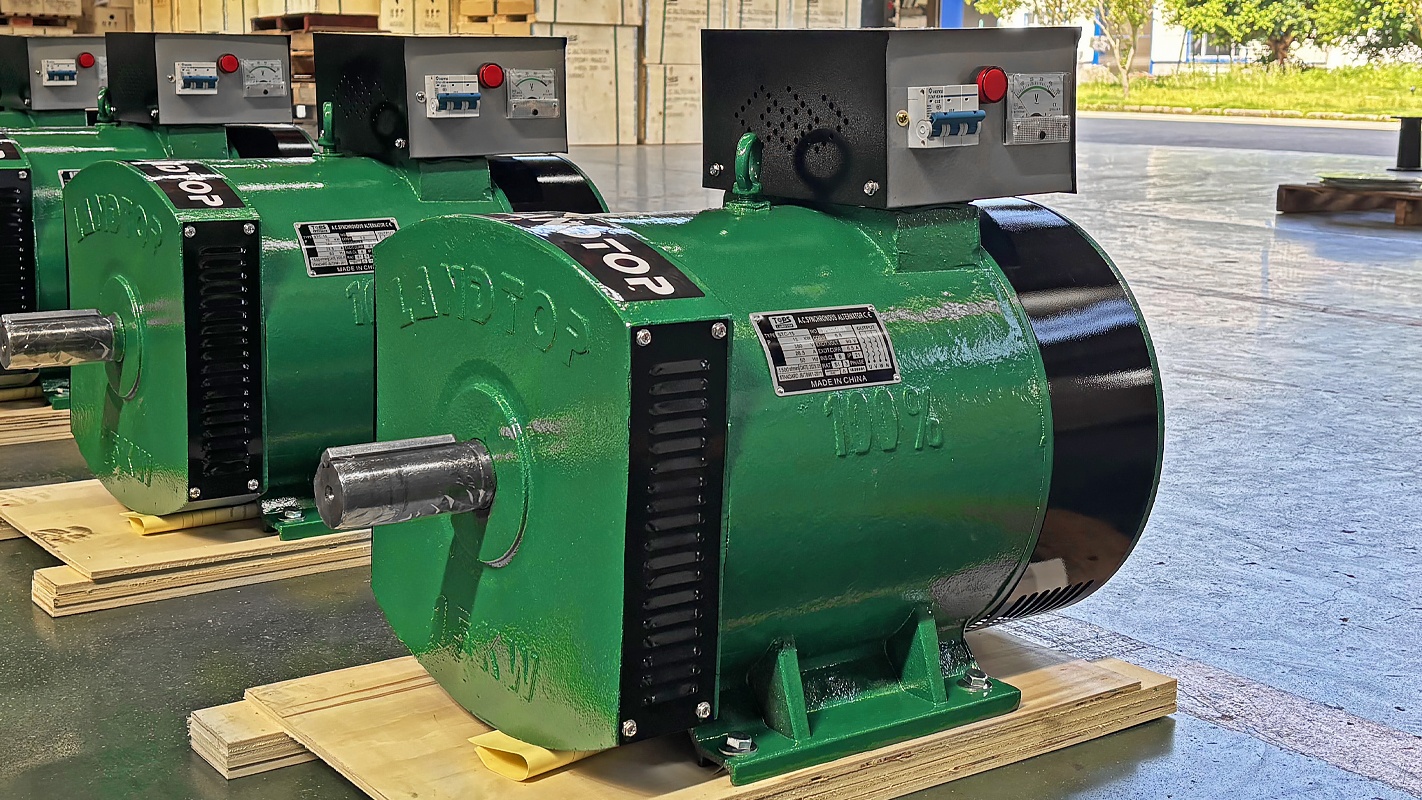
(LANDTOP brand three-phase self-excited brush alternator STC-15KW)
The "Dual Carbon" targets (peak carbon by 2030, carbon neutrality by 2060) have ignited an unprecedented transformation across China's energy sector, compelling power generators to confront multifaceted green transition challenges. This seismic shift transcends mere technological upgrades, demanding systemic innovation in operations, supply chains, and business models amid intensifying climate risks.
Technological Transformation Hurdles
Modernizing aging generator fleets requires integrating carbon capture systems and hybrid renewable solutions, yet retrofitting legacy infrastructure faces efficiency trade-offs and grid compatibility issues. The transition to hydrogen-ready turbines and AI-optimized combustion systems demands massive R&D investment, while maintaining grid stability during intermittent renewable integration remains a critical engineering challenge.
Economic Viability Pressures
Decarbonization imposes substantial financial burdens, with advanced biomass co-firing and carbon-neutral fuels increasing operational costs by 25-40% versus conventional systems. Generators must navigate carbon pricing mechanisms and green financing gaps while competing in electricity markets. The paradox lies in balancing emission reduction mandates against affordability requirements for end-users, necessitating innovative cost-sharing frameworks and policy incentives.
Policy and Compliance Complexity
Evolving carbon regulations create regulatory uncertainty, with generators struggling to anticipate emission thresholds and compliance timelines. Supply chain transparency has emerged as a critical factor, as climate risk perceptions now directly influence operational permits and investor confidence. The lack of standardized carbon accounting methodologies further complicates progress tracking and cross-border collaboration.
Innovation Imperatives
Breakthroughs in waste-to-energy conversion and negative emission technologies offer promising pathways. Advanced biomass utilization transforms biogenic residues into carbon-neutral fuel sources, while AI-driven predictive maintenance reduces downtime and resource waste. Crucially, generators must foster "climate-intelligent" supply chains where emission data sharing drives collaborative decarbonization, turning regulatory pressure into competitive advantage.
Strategic Adaptation Framework
Successful transition requires three pillars: Firstly, dynamic risk modeling that anticipates regulatory shifts and physical climate impacts. Secondly, circular economy integration that repurposes waste heat and byproducts. Thirdly, workforce reskilling for digitalized green operations. This holistic approach transforms generators from carbon emitters to system enablers in the renewable ecosystem.
The green transition is not merely an environmental obligation but a redefinition of energy security. Generators that master this complexity will lead the next era of resilient, low-carbon power systems.
(Note: This content is generated by AI technology. The accuracy and reliability of the information should be independently verified. FUZHOU LANDTOP CO., LTD. assumes no liability for consequences arising from the use of this AI-generated material.)
Extreme Condition Electromechanical Failure Mechanisms
Electromechanical Energy Conversion Efficiency Limits
Related Article