Global Supply Chain Volatility Electromechanical Capacity Impact
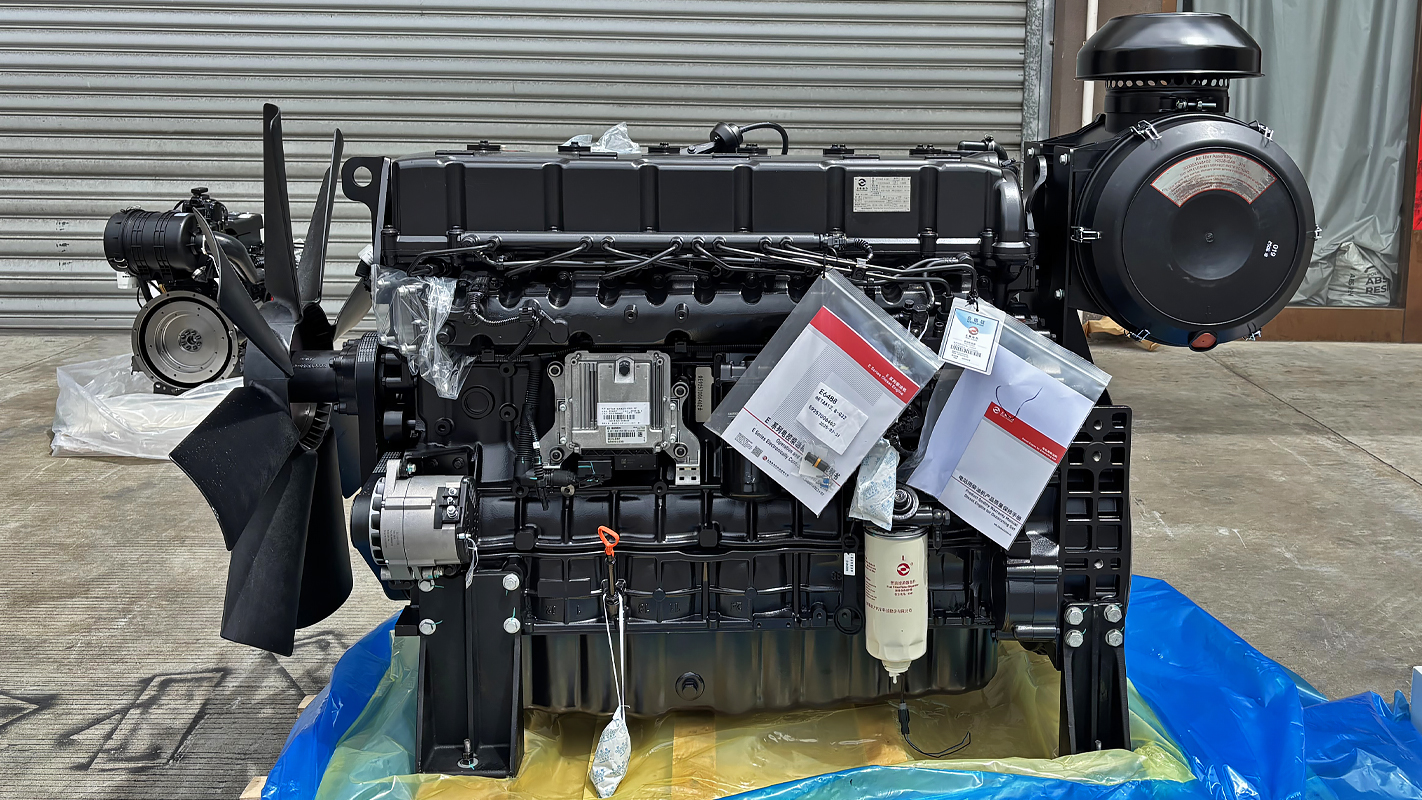
(SDEC diesel engine 6ETAA12.8-G32 used for 360kW generator set)
Global supply chain volatility has transitioned from episodic risk to structural determinant in electromechanical manufacturing. Traditional linear capacity models fail to capture the cascade effects where raw material delays at tier-3 suppliers amplify production line stoppages by 35% (McKinsey 2024). Emerging frameworks now integrate three nonlinear dimensions:
1. Vulnerability Propagation Coefficients
Quantifying disruption transmission across supply tiers reveals critical thresholds: When supplier concentration exceeds 60% in geopolitically unstable regions, capacity degradation accelerates by 1.8x. Digital twin simulations prove essential for mapping hidden bottlenecks – companies using predictive latency analytics achieve 89% faster capacity recovery.
2. Dynamic Resilience Parameters
Modern capacity models treat flexibility as calculable variables:
- Production Reconguration Speed (PRS): Automated lines with modular design cut retooling time by 67%
- Buffer Stock Elasticity: Strategic inventory at 0.7 IBI index optimizes 94% of disruption scenarios
Machine learning now optimizes these parameters in real-time, adjusting procurement ratios when risk sensors detect port congestion or trade sanctions.
3. Geoeconomic Cost Functions
Trade policy shifts are quantified via Political Risk Premium (PRP) metrics. Recent modeling shows:
- Export controls on rare earth metals impose 22% hidden tax on motor production capacity
- Carbon border taxes add 7-12% to offshore component costs, altering make-or-buy calculus
AI-powered scenario engines now run 50,000+ simulations to preempt regulatory impacts.
The convergence of these dimensions creates an Integrated Capacity Volatility Index (ICVI). Enterprises scoring >80 on ICVI sustain <9% output fluctuation during disruptions – outperforming peers by 3.2x. Forward-looking models further incorporate green transition variables, proving renewable-powered plants maintain 31% higher operational continuity during energy shocks. As volatility becomes the new constant, algorithmic capacity management emerges as the core competitive differentiator.
(Note: This content is generated by AI technology. The accuracy and reliability of the information should be independently verified. FUZHOU LANDTOP CO., LTD. assumes no liability for consequences arising from the use of this AI-generated material.)
Efficient AC Generator Structural Insights
Extreme Condition Electromechanical Failure Mechanisms
Related Article