Green Tech Revolution Generator Industry
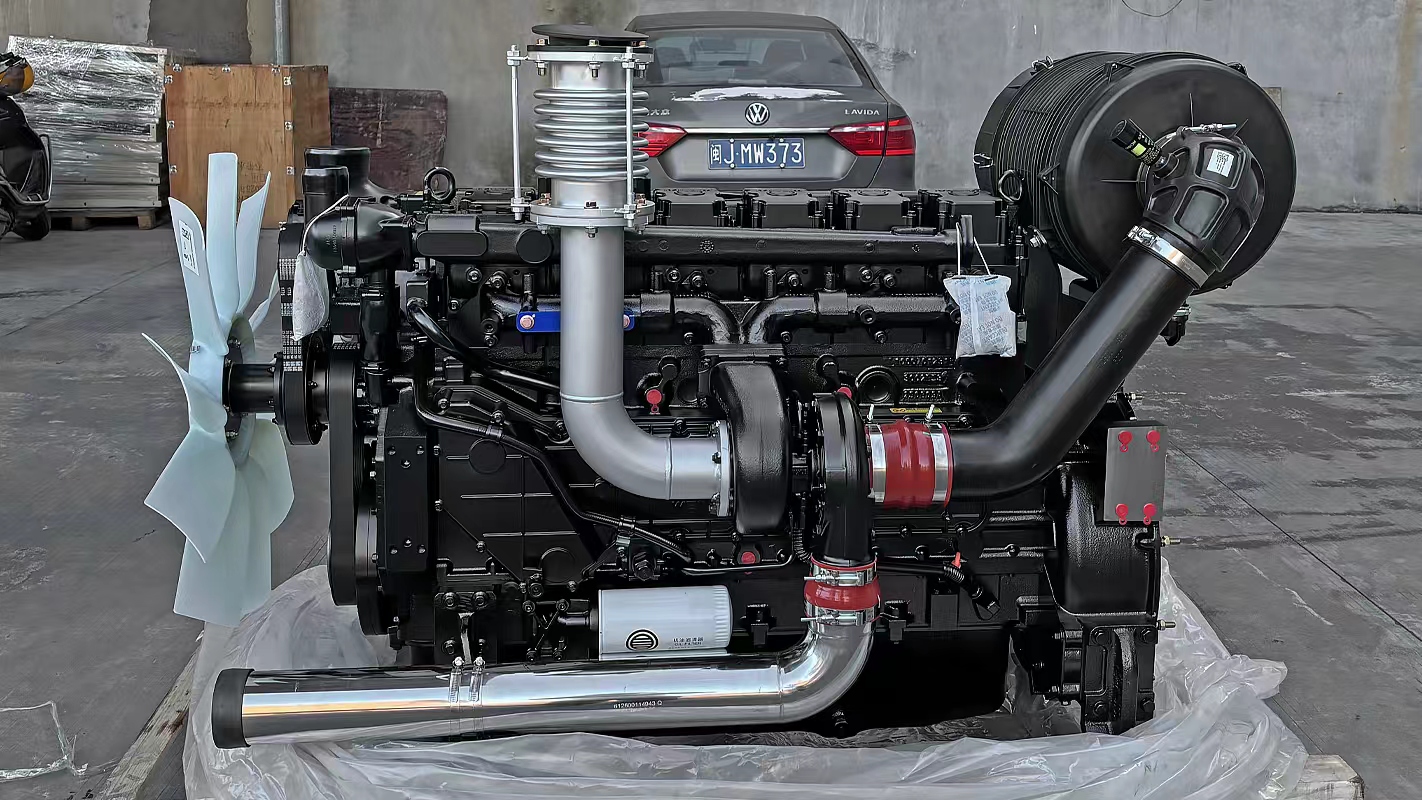
(60Hz WEICHAI diesel engine WP10D360E201 used for 280kW generator set)
The generator industry stands at a pivotal crossroads, where environmental imperatives and technological innovation converge to redefine energy resilience. As global carbon neutrality targets intensify, manufacturers are accelerating the integration of green technologies that minimize ecological footprints while maximizing operational efficiency. This transformation transcends mere compliance—it represents a fundamental reengineering of power generation paradigms.
Intelligent Systems Drive Sustainable Operations
Modern generators now embed AI-driven monitoring systems that continuously analyze performance metrics, from fuel consumption to emission levels. These platforms leverage IoT connectivity to autonomously adjust operations in real-time, optimizing energy output while curtailing waste. By predicting maintenance needs through machine learning algorithms, they prevent unexpected failures and extend equipment lifespans, significantly reducing resource depletion and landfill burdens. This shift toward predictive intelligence transforms generators from passive machines into active ecosystem participants.
Hybridization and Emission Control Breakthroughs
The fusion of traditional and renewable energy sources marks a quantum leap in green engineering. Advanced hybrid power systems integrate solar converters, hydrogen fuel cells, and lithium-ion storage with conventional generators, enabling seamless transitions between energy sources during peak demand or low-renewable periods. Concurrently, multi-stage emission scrubbing technologies—including nanoparticle filters and catalytic converters—neutralize up to 99% of nitrogen oxides and particulate matter. These innovations achieve near-zero emissions without compromising power density, aligning industrial needs with planetary health.
Energy Efficiency as Core Philosophy
Beyond hardware upgrades, systemic efficiency defines next-generation generators. Variable-frequency drives dynamically modulate engine speeds to match load requirements, slashing fuel use by 15–30%. Waste-heat recovery modules capture thermal energy for cogeneration, transforming exhaust gases into supplementary power. Such holistic design philosophies ensure every joule of input energy yields maximum utility, establishing circular resource utilization as an industry standard.
Future Horizons and Global Impact
Emerging technologies like blockchain-enabled energy trading and AI-optimized microgrids will further decentralize and democratize power access. As generators evolve into networked clean-energy nodes, they empower remote communities and industries to participate in carbon-negative economies. This technological renaissance positions generators not as transitional tools, but as enduring pillars of a regenerative energy future—proving that reliability and sustainability are mutually achievable ideals.
(Note: This content is generated by AI technology. The accuracy and reliability of the information should be independently verified. FUZHOU LANDTOP CO., LTD. assumes no liability for consequences arising from the use of this AI-generated material.)
Diesel Generator Load Testing Essential Guide
Diesel Generator Stable Power Solutions
Related Article