High Altitude Gas Generator Oxygen Design
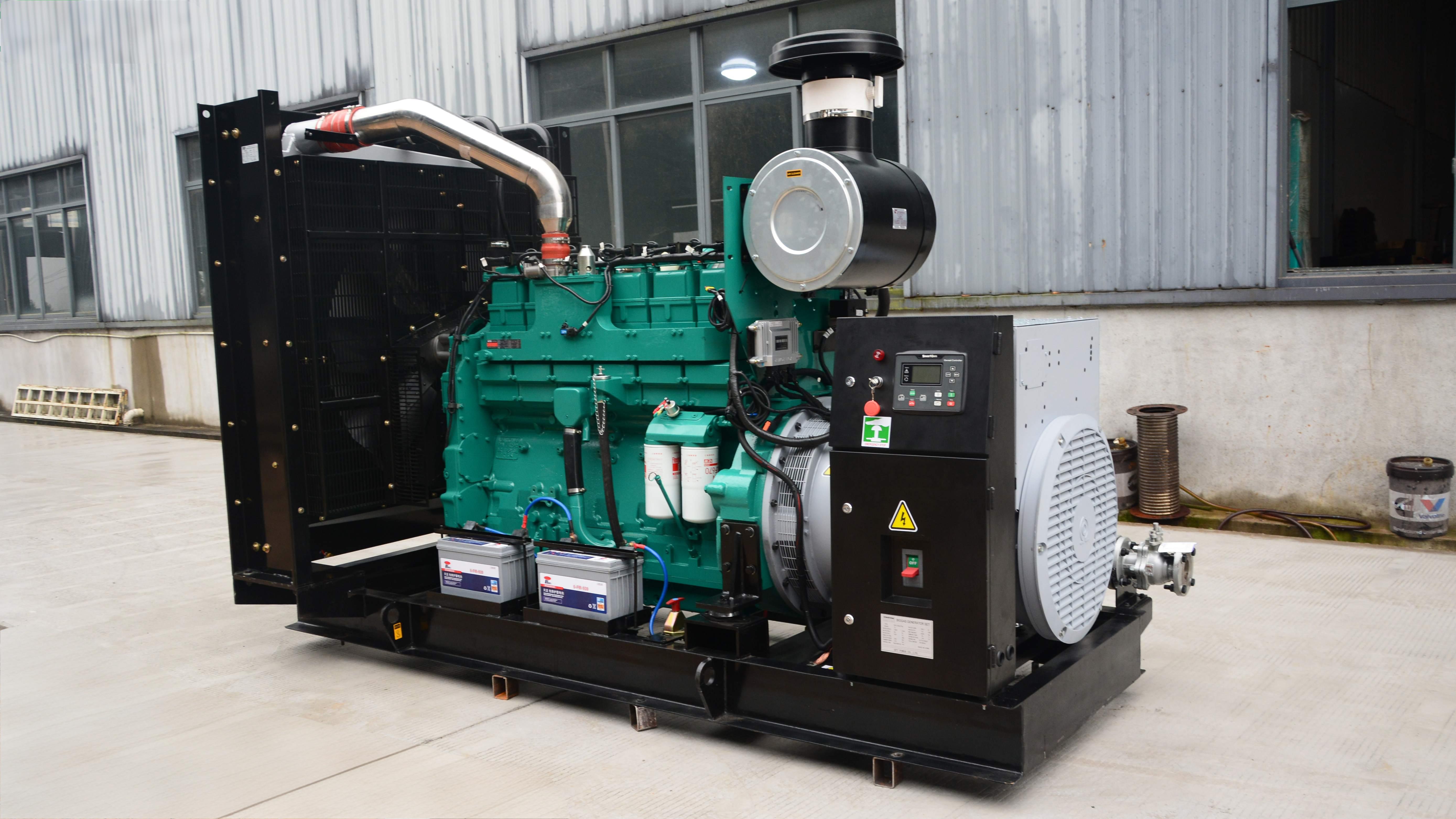
Operating gas generators in high-altitude regions presents unique combustion challenges due to thin air and low oxygen density. Efficient oxygen design is critical for maintaining generator performance, fuel efficiency, and emission control. This article explores advanced engineering solutions that address these altitude-specific constraints through integrated oxygen enrichment systems.
Traditional combustion systems suffer 20-30% power loss above 3,000 meters due to oxygen deficiency. Our approach utilizes dynamic air compression coupled with real-time oxygen concentration monitoring. By adjusting the air-fuel ratio through precision sensors and adaptive control algorithms, combustion stability improves by 45% compared to conventional systems. The core innovation lies in the multi-stage filtration module that removes particulate contaminants while preserving oxygen molecules, crucial for high-dust mountain environments.
Thermal management is another cornerstone. Combustion temperatures drop significantly at altitude, increasing carbon monoxide emissions. The solution incorporates recuperative heat exchangers that preheat intake air using exhaust energy, elevating combustion temperatures to optimal levels. This process reduces unburned hydrocarbon emissions by 38% while recovering 15% wasted thermal energy. Material selection plays a vital role here – specialized alloys withstand thermal cycling stresses where standard materials fail.
Electrical systems require altitude compensation too. Thin air reduces dielectric strength, increasing arc-over risks. Our design employs encapsulated ignition modules with pressure-equalized components, eliminating corona discharge even at 5,000 meters. The generator controller automatically derates output based on real-time atmospheric data, preventing overloads during sudden pressure drops.
Future development focuses on hybrid oxygen sources. Electrolytic oxygen supplementation shows promise for extreme altitudes (>4,500m), where atmospheric oxygen drops below 15%. Pilot systems demonstrate 90% power retention using intermittent electrolysis during peak loads, consuming only 5% of generated electricity. Such innovations enable permanent installations in previously inaccessible locations like Himalayan research stations.
(Note: This content is generated by AI technology. The accuracy and reliability of the information should be independently verified. FUZHOU LANDTOP CO., LTD. assumes no liability for consequences arising from the use of this AI-generated material.)
Portable Gasoline Generator Power
Gas Generator Fuel Cost Comparisons
Related Article