Induction AC Motor Efficiency Secrets

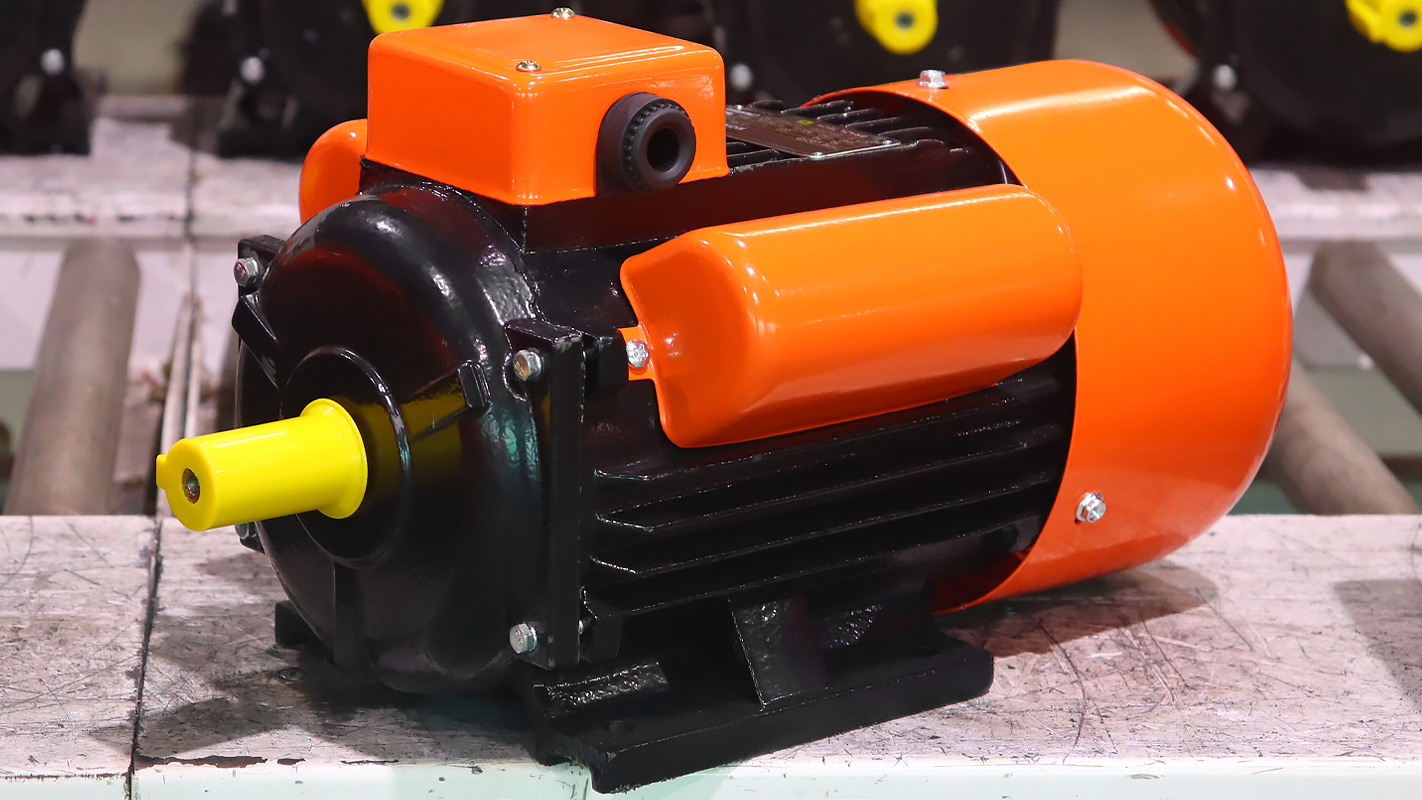
Induction AC motors power over 70% of industrial machinery worldwide, yet their energy efficiency remains a critical frontier for technological advancement. These motors convert electrical energy into mechanical motion through electromagnetic induction, but traditional designs suffer from inherent energy losses that diminish performance and inflate operational costs. At the heart of enhanced efficiency lies the optimization of electromagnetic flux pathways. Advanced computer-aided design enables precision shaping of stator and rotor laminations, minimizing eddy current losses that typically waste 5–15% of input energy. By refining slot geometries and magnetic circuit symmetry, modern motors achieve near-perfect alignment of magnetic fields, reducing stray fluxes that generate wasteful heat. This electromagnetic harmony allows more energy to translate directly into rotational torque rather than dissipating as thermal losses, establishing the foundation for transformative efficiency gains across manufacturing, HVAC, and transportation systems.
Material science breakthroughs further elevate efficiency by tackling core loss mechanisms. High-grade electrical steels with silicon content exceeding 3.2% form the backbone of next-generation stators, their crystalline structures engineered to offer magnetic permeability while resisting hysteresis losses. These laminations receive laser-insulated coatings just 5–10 microns thick, creating dielectric barriers that suppress interlamination currents without compromising magnetic properties. For rotors, copper die-casting replaces traditional aluminum in squirrel-cage designs, enhancing conductivity by 40% and dramatically reducing I²R losses under load. Complementing these advances, nano-filled epoxy varnishes penetrate windings to eliminate microscopic air pockets, improving heat dissipation and dielectric strength. The strategic integration of these materials forms a multi-layered defense against inefficiency, enabling continuous operation at 95–97% efficiency ratings – a quantum leap from the 85–90% industry standard of conventional motors.
Control systems represent the third pillar of efficiency optimization. Sensorless vector control algorithms now achieve unprecedented precision in flux regulation, dynamically adjusting voltage-frequency ratios in response to real-time load variations. By eliminating physical sensors, these systems maintain optimal torque production while reducing component-related power drains. Embedded IoT connectivity transforms motors into intelligent nodes within industrial networks, where machine learning algorithms analyze historical performance data to predict and prevent suboptimal operating conditions. These systems implement predictive phase balancing and harmonic cancellation, neutralizing energy-wasting current distortions before they impact performance. Thermal management reaches new sophistication through distributed temperature sensors that trigger adaptive cooling protocols, ensuring windings operate within ±2°C of ideal efficiency temperatures. This convergence of digital intelligence with electromechanical systems creates self-optimizing motors that continuously recalibrate for peak efficiency across diverse operational scenarios.
The cumulative impact of these efficiency innovations extends beyond energy conservation to redefine industrial sustainability paradigms. Motors retrofitted with these technologies demonstrate 30–50% reductions in lifetime energy consumption, translating to six-figure cost savings for medium-scale manufacturing facilities. Environmental benefits prove equally compelling, with a single 100kW high-efficiency motor reducing CO₂ emissions by approximately 300 tons annually compared to conventional equivalents. Regulatory compliance becomes streamlined as motors exceed IE5 premium efficiency classifications, future-proofing operations against tightening global energy standards. Moreover, the reliability enhancements from reduced thermal stress extend mean time between failures by 40–60%, minimizing production interruptions in continuous process industries. As industries accelerate toward net-zero commitments, these efficiency advancements position induction motors not merely as operational components but as strategic assets in carbon footprint reduction. Our R&D initiatives continue to push boundaries with superconducting winding research and AI-driven digital twin technology, promising even greater efficiency horizons.
Diesel Generator Set Practical Secrets
Self Excited AC Generator Advantages
Related Article