Induction Motor Generator Comparison
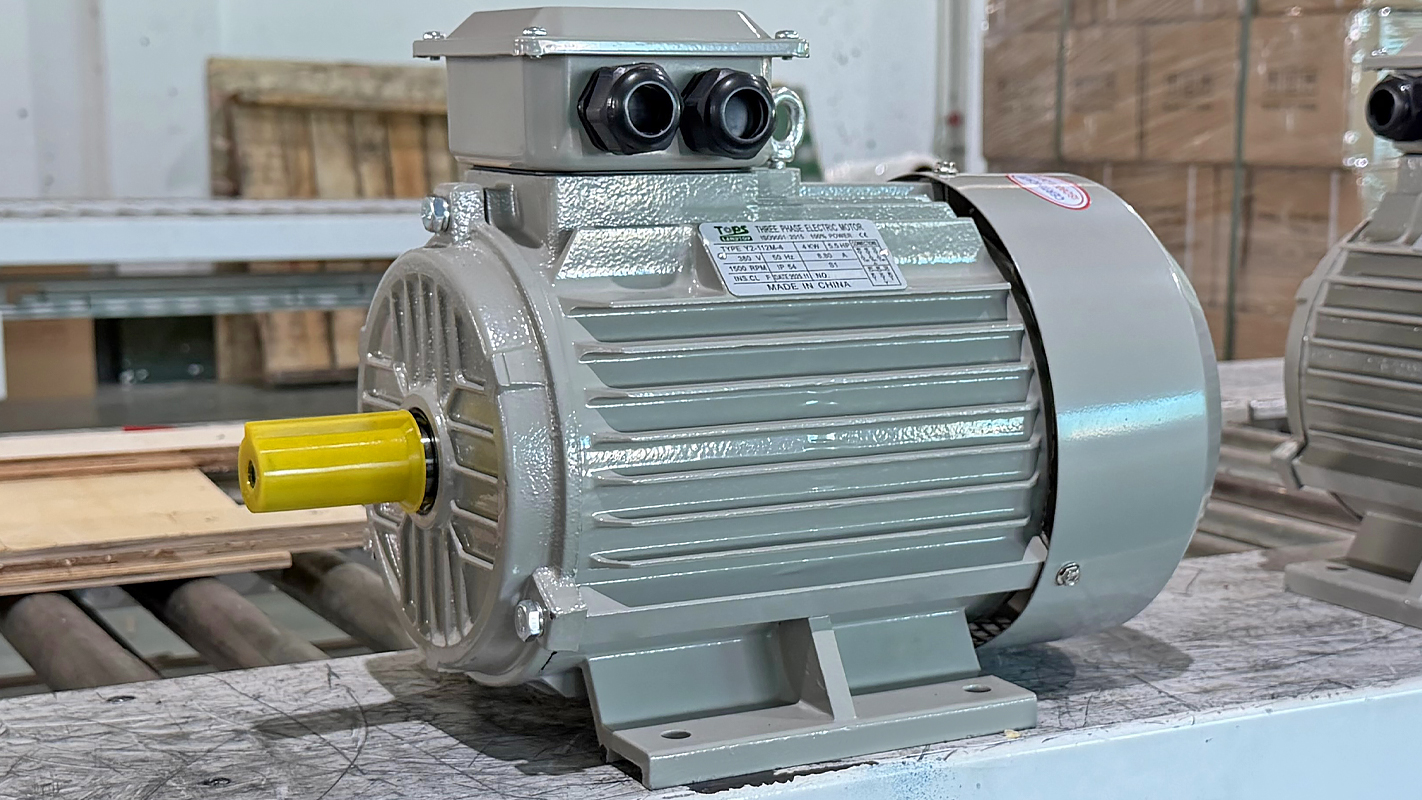
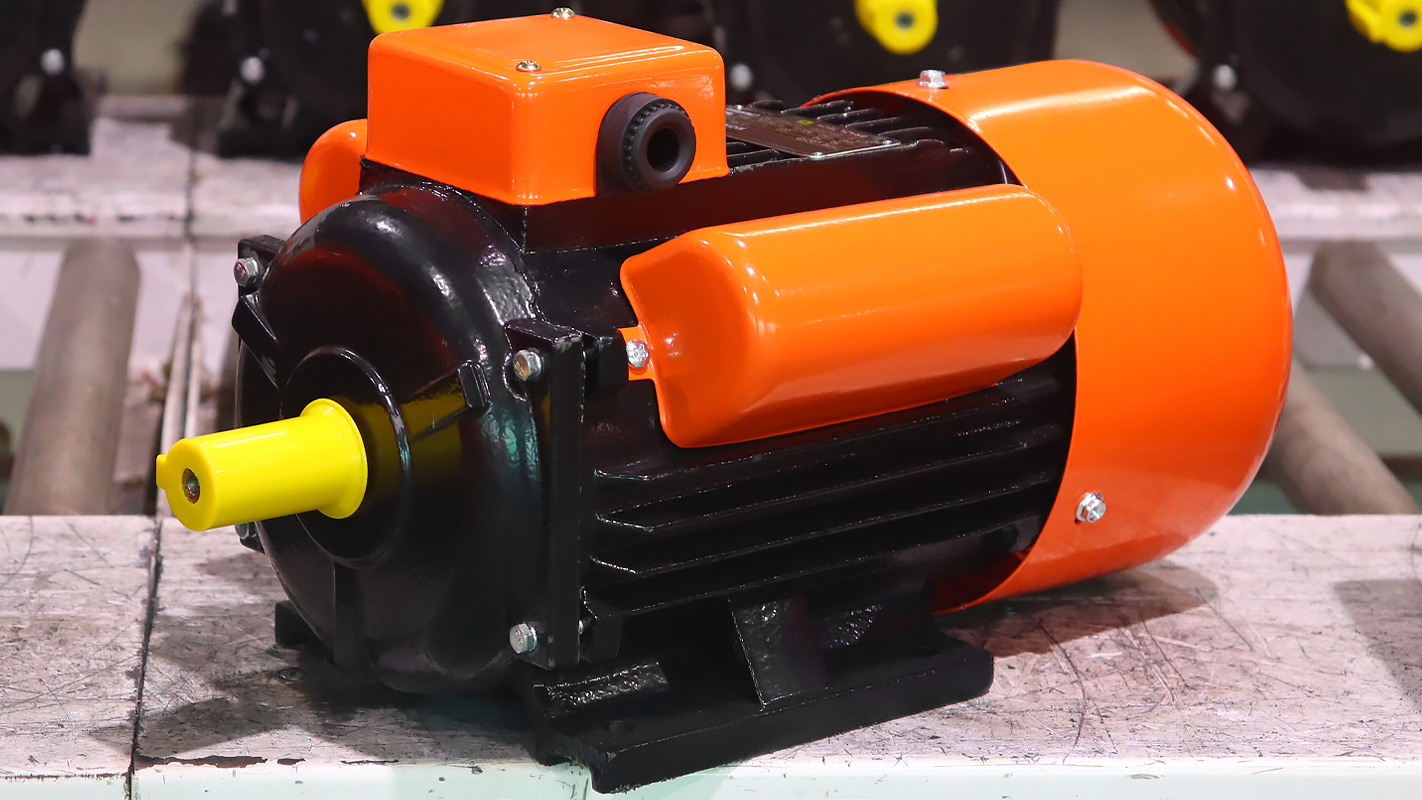
(Three-phase A.C. induction motor Y2-112M-4-4kw/5.5HP)
While both induction motors and generators utilize electromagnetic principles, their core functions diverge fundamentally. Motors convert electrical energy into mechanical rotation, relying on stator-generated rotating magnetic fields that induce rotor currents to produce torque. Efficiency optimization focuses on minimizing slip losses and heat dissipation during variable-load operations.
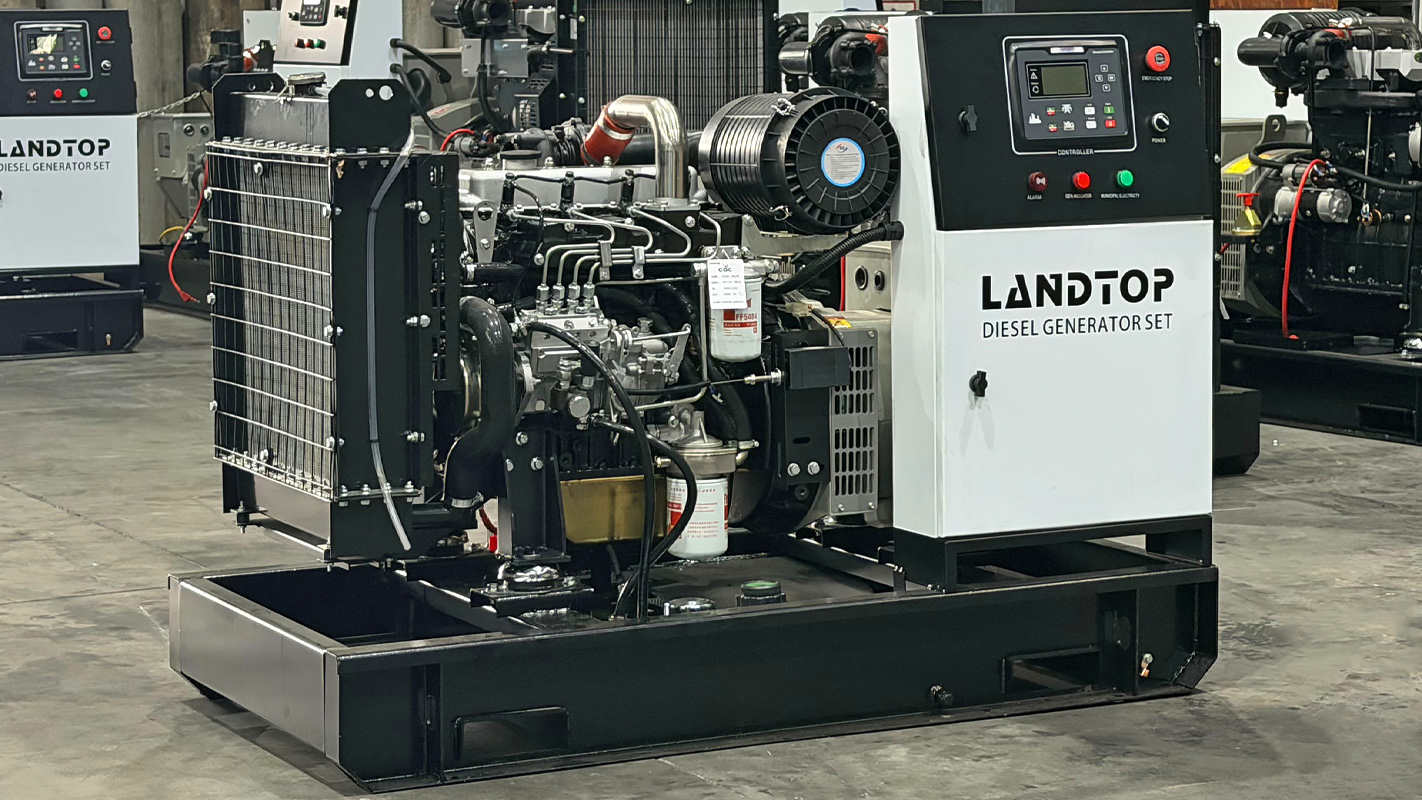
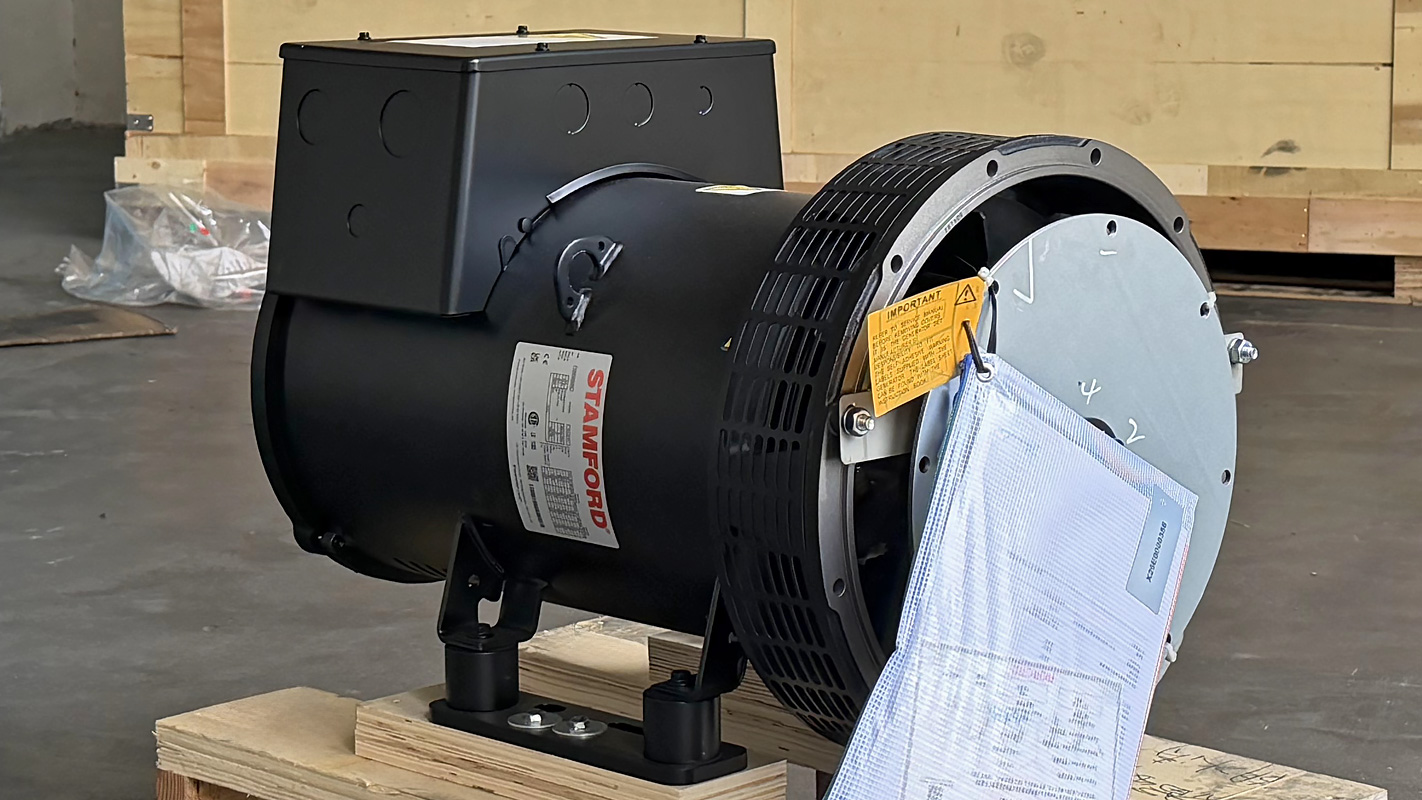
Conversely, generators transform mechanical input into electrical output through electromagnetic induction, where rotor movement through stator windings generates alternating current. Voltage regulation stability under fluctuating prime mover speeds becomes critical, requiring advanced excitation control systems to maintain consistent frequency.
Modern designs share technological synergies:
- High-grade silicon steel cores reduce hysteresis losses in both
- Smart sensors monitor thermal stress and vibration
- Copper windings enhance conductivity
Yet key differences persist:
- Motors prioritize dynamic response to load changes
- Generators emphasize waveform purity (<3% THD) and voltage stability (±1%)
- Cooling systems differ (generators demand higher heat dissipation)
Understanding these distinctions informs optimal equipment selection for industrial applications, balancing energy efficiency with power quality requirements.
Self Excited Generator Efficiency Secrets
Alternator Performance Deep Analysis
Related Article