Induction Motor Rotor Self Generation Analysis

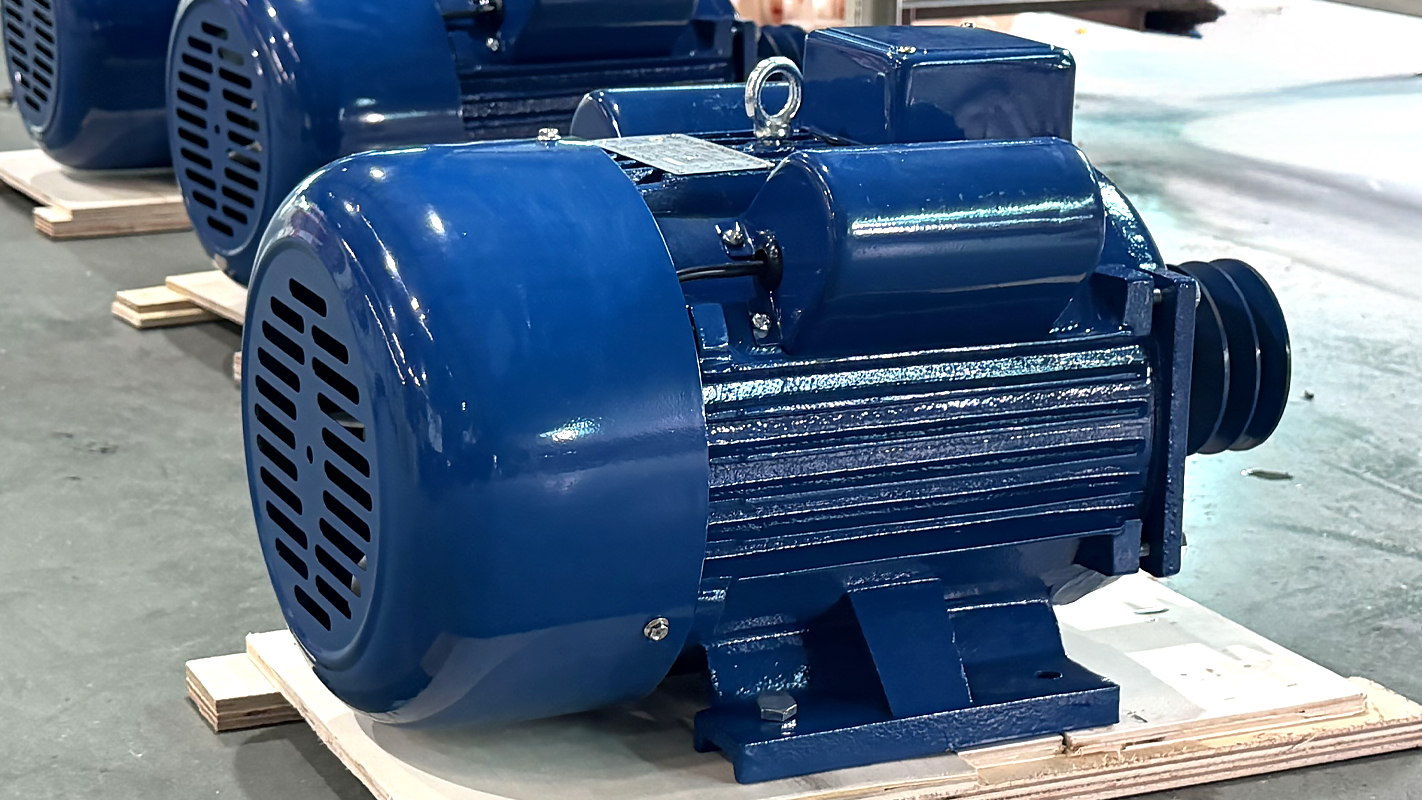
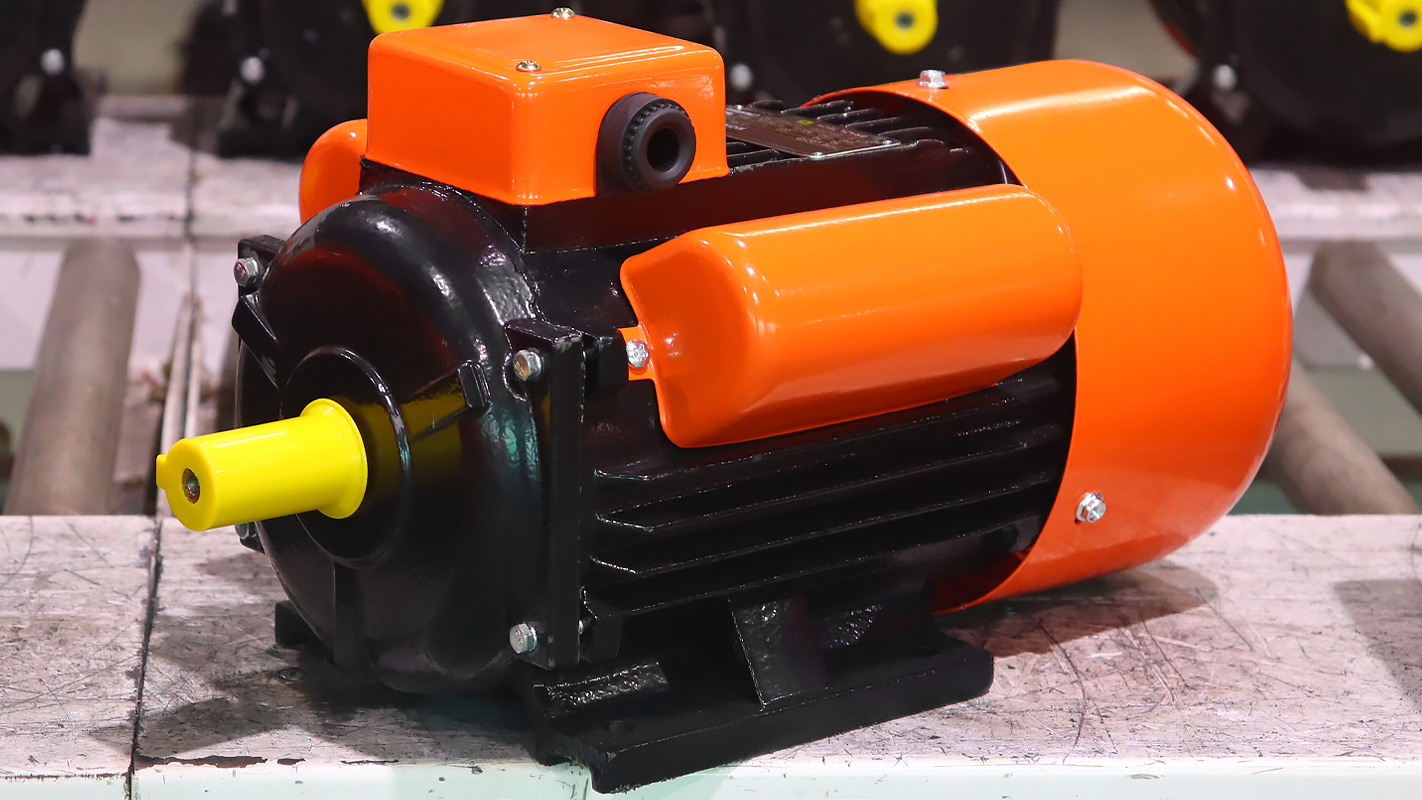
The induction motor stands as a cornerstone of modern industrial and commercial applications, powering everything from manufacturing equipment to renewable energy systems. At the heart of its operation lies a fascinating self-generating mechanism within the rotor, which enables the motor to function efficiently without relying on external power sources for excitation. This intrinsic capability is rooted in the principles of electromagnetic induction, where the rotor's conductive materials—typically aluminum or copper bars in a squirrel-cage design—interact with the rotating magnetic field produced by the stator. As the stator's alternating current generates this field, it induces a voltage and subsequent current in the rotor windings through Faraday's law of electromagnetic induction. This self-sustaining process allows the rotor to "self-generate" its electrical energy, converting mechanical motion into electrical currents that drive torque production. By eliminating the need for separate excitation systems, such as brushes or external power supplies, this mechanism enhances reliability and reduces energy losses, positioning induction motors as a paragon of efficiency in electromechanical engineering.
Delving deeper into the self-generating mechanism, the rotor's ability to autonomously produce electricity hinges on the concept of slip—the relative speed difference between the stator's rotating magnetic field and the rotor's actual rotation. When the motor starts, the slip is high, resulting in a strong induced current in the rotor that generates a counteracting magnetic field. This interaction creates torque, accelerating the rotor until it approaches synchronous speed, where slip minimizes but never reaches zero in standard induction motors. At this operational point, the rotor continues to self-generate current due to persistent slip, maintaining a dynamic equilibrium that ensures continuous energy conversion. The rotor's design, often featuring short-circuited windings, facilitates this by allowing induced currents to flow freely, producing magnetic fields that oppose the stator's field and sustain motion. Advanced materials, such as high-conductivity alloys and laminated cores, optimize this process by minimizing eddy current losses and hysteresis, thereby improving overall efficiency. This self-generation is not merely a passive phenomenon; it represents an active feedback loop where the rotor adapts to load variations. For instance, increased mechanical load raises slip, boosting induced current and torque to maintain performance without external intervention. Such adaptability underscores the mechanism's robustness, making it ideal for variable-speed applications where consistency is critical.
The advantages of this self-generating rotor mechanism extend beyond mere operational efficiency to encompass broader industrial and environmental benefits. By inherently reducing dependency on external power for excitation, induction motors achieve higher reliability and lower maintenance costs, as they avoid common failure points like brush wear or connection faults. This autonomy translates to significant energy savings, with studies indicating potential reductions in auxiliary power consumption by up to 15–20% compared to externally excited alternatives. Furthermore, the mechanism supports sustainability initiatives by enhancing energy conversion efficiency, which minimizes waste heat and lowers carbon footprints in high-demand sectors like manufacturing, transportation, and renewable energy integration. For example, in wind turbines or electric vehicles, induction motors with self-generating rotors contribute to extended battery life and reduced emissions by optimizing regenerative braking and power recovery. The technology also fosters innovation in smart grids and IoT-enabled systems, where real-time monitoring of rotor currents enables predictive maintenance and adaptive control, ensuring compliance with stringent energy regulations. Despite these strengths, challenges such as harmonic distortions or thermal management under heavy loads persist, but ongoing research in areas like silicon carbide semiconductors and AI-driven control algorithms promises to mitigate these issues, paving the way for next-generation motors with even greater self-sufficiency.
Looking forward, the evolution of induction motor rotor self-generation holds immense potential for transforming global energy landscapes. As industries prioritize decarbonization and digitalization, this mechanism serves as a catalyst for developing more resilient and scalable power solutions. Innovations in material science, such as superconducting rotors or nanocomposite windings, could further amplify efficiency, enabling motors to operate at higher speeds with minimal losses. Similarly, integration with renewable energy sources could see self-generating rotors playing a pivotal role in microgrids, providing stable backup power during outages and enhancing grid stability. Our company is committed to advancing this frontier through dedicated R&D, collaborating with academic partners to refine electromagnetic models and explore hybrid designs that merge induction principles with permanent magnet technologies. By embracing these advancements, stakeholders can unlock new opportunities for cost-effective, eco-friendly automation across diverse applications. We invite engineers, industry leaders, and sustainability advocates to engage with our cutting-edge solutions—visit our website or contact our team to discover how self-generating rotor technology can elevate your operations toward a future of autonomous, high-performance energy systems.
Corrosion Resistant Generator Set Technology
Self Excited Generator External Power Free Design
Related Article