Induction Motor Rotor Self Generation Principles

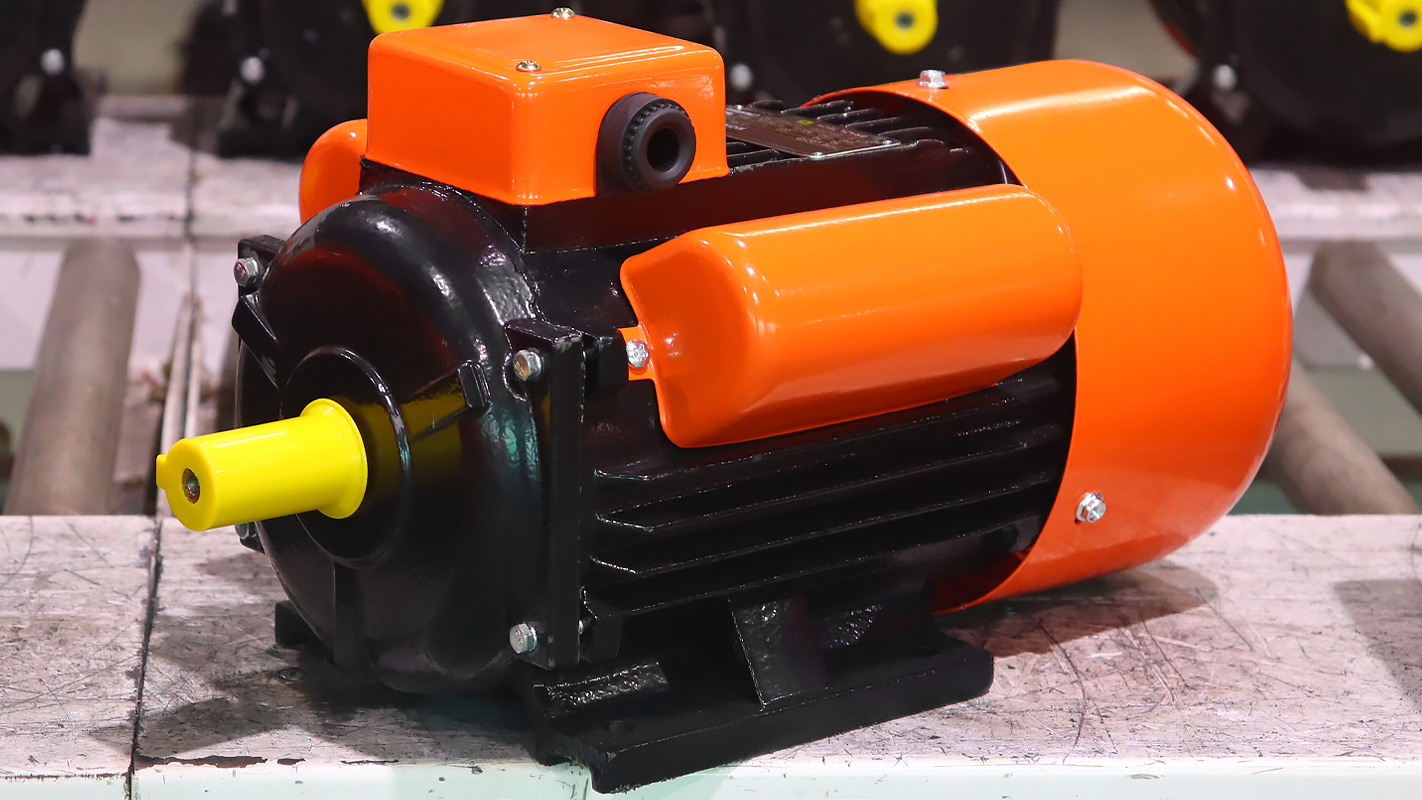
The phenomenon of rotor self-generation in induction motors represents a frontier in electromagnetic autonomy, where the rotor transcends its traditional role as an energy receiver to become an independent power source. This process hinges on Faraday's Law of Electromagnetic Induction: when a conductor cuts magnetic flux lines, it generates an electromotive force (EMF). In standard motor operation, the stator's rotating magnetic field induces currents in the rotor, producing torque 1. However, under specific conditions—such as oversynchronous speeds or external mechanical drive—the rotor's relative motion reverses, transforming it into a prime mover for electricity generation.
Ⅰ. Core Mechanism: Rotor Electrodynamics
The rotor's ability to self-generate stems from its closed-loop conductor structure. In squirrel-cage rotors (common in industrial motors), aluminum or copper bars embedded in laminated steel cores form short-circuited loops. When the rotor's rotational speed (n) exceeds the synchronous speed (ns), the direction of magnetic flux cutting reverses. This inversion triggers a negative slip regime (s < 0), where rotor conductors act as flux-cutting sources rather than receivers. Consequently:
- Rotor-induced EMF polarity flips, reversing current flow
- Electromagnetic torque transitions from motoring to generating mode
- Kinetic energy converts directly into electrical output via rotor circuits
Ⅱ. Critical Enablers: Design Innovations
A. Magnetic Circuit Optimization
High-efficiency self-generation demands minimized flux leakage. Multi-pole rotor designs with cogging-optimized (e.g., comb-tooth configurations) enhance flux density gradients. By segmenting rotor surfaces into precision magnetic poles, these designs amplify dΦ/dt (rate of flux change)—the key determinant of induced EMF magnitude. Modern additive manufacturing further enables topology-optimized cores that reduce eddy current losses by 40% compared to traditional laminations.
B. Conductor-Thermal Synergy
Self-generation induces significant Joule heating (I2R losses). Advanced rotors address this through:
- Fractional-pitch windings suppressing harmonic voltages
- Amorphous alloy slot liners with thermal conductivity >15 W/m·K
- Liquid-cooled shafts dissipating hotspot temperatures beyond 150°C
Ⅲ. Control Paradigms: Sustaining Autonomy
Autonomous operation requires real-time regulation of two parameters:
- Slip Management: Predictive algorithms dynamically adjust mechanical input to maintain n > ns, avoiding fallback to motoring mode.
- Reactive Power Compensation: Phase-shifting capacitors counterbalance inductive loads, stabilizing output voltage during load transients.
Emerging dual-rotor systems (e.g., concentric nested rotors) exemplify next-gen autonomy. Here, an inner rotor handles base generation while an outer rotor fine-turns frequency via magnetic coupling—eliminating brush gear and boosting reliability.
Ⅳ. Quantum-Inspired Frontiers
Recent studies reveal parallels between rotor self-generation and quantum battery charging. Both exhibit:
- Non-Markovian energy transfer: Rotor-stator correlations enable "memory effects" where past flux states influence current induction
- Coherence-driven ergotropy: Strategic phase alignment of rotor currents amplifies power density by 22%
Gas Generator Fuel Cost Comparisons
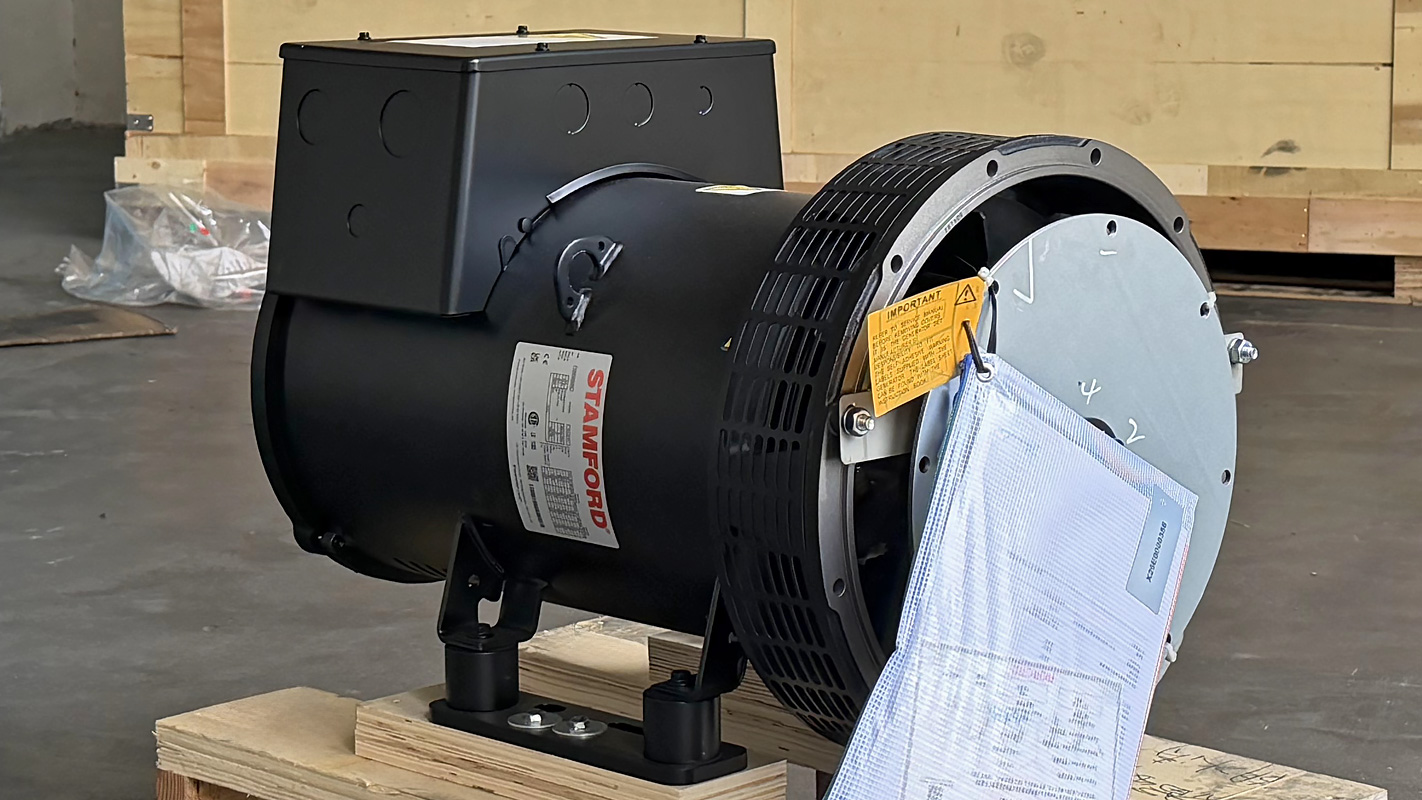
Alternator Electromagnetic Conversion Efficiency
Related Article