Induction Motor Self Starting Benefits Explained
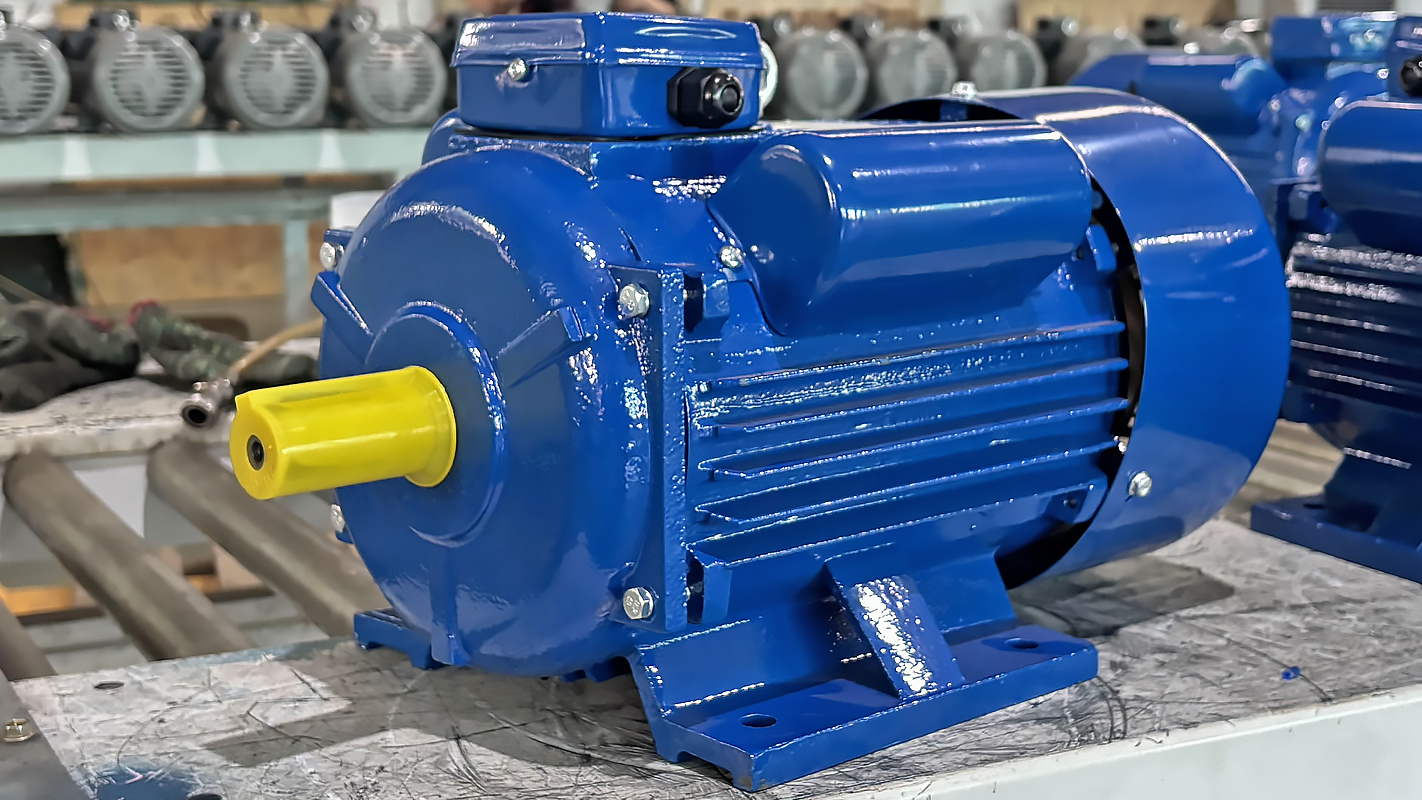
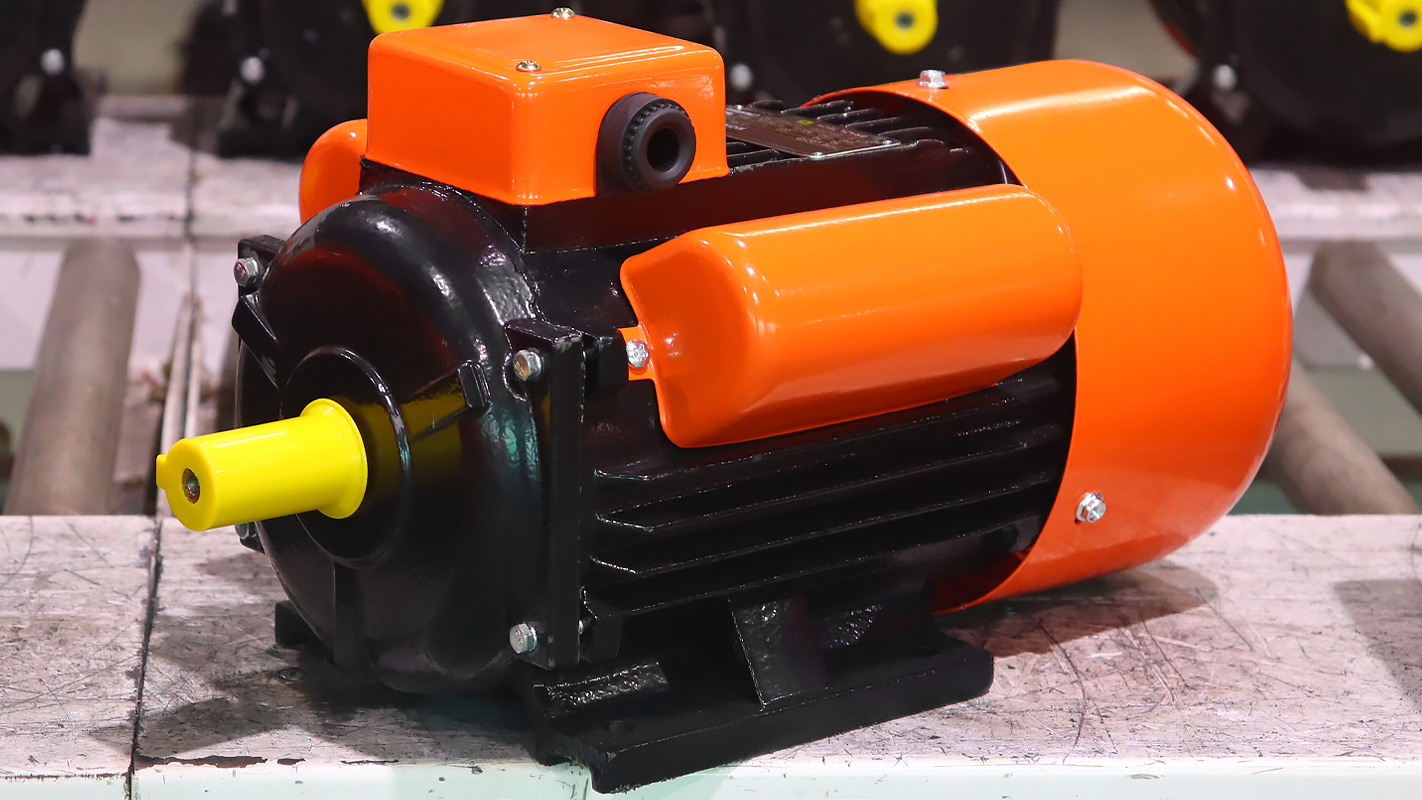
Self-starting is a foundational advantage of induction motors, enabling autonomous operation without external aids. This inherent feature stems from the interaction between the stator's rotating magnetic field and the rotor's induced currents. When AC power initiates, the stator generates a rotating flux that cuts across rotor conductors, creating opposing currents via electromagnetic induction. These currents produce torque through Lorentz forces, allowing the rotor to accelerate from standstill to synchronous speed—eliminating the need for auxiliary starters like capacitors or centrifugal switches.
The electrodynamic principles governing self-starting ensure operational resilience. The slip phenomenon—where rotor speed lags behind the magnetic field—creates continuous torque during acceleration. Design optimizations, such as skewed rotor slots and low-resistance windings, mitigate torque pulsations and magnetic locking risks, ensuring smooth, vibration-free starts even under load. This reliability reduces mechanical stress on coupled equipment, extending system lifespan.
Energy efficiency is intrinsically linked to self-starting design. Direct-on-line (DOL) starting—common in induction motors—draws high inrush currents briefly but avoids persistent energy losses from external starting devices. Modern motors integrate intelligent control systems that modulate voltage during startup, curtailing inrush currents by up to 70% while maintaining torque. Such advancements align with global IE3/IE4 efficiency standards, lowering operational costs and carbon footprints.
Industrial robustness further underscores this advantage. In mission-critical applications like pumps or conveyors, fail-safe startup prevents costly downtime. Motors with self-starting capabilities inherently tolerate voltage sags or phase imbalances, automatically re-synchronizing after transient disruptions. This adaptability is vital in grids with unstable renewable energy inputs.
Future innovations focus on enhancing self-starting intelligence. Embedded sensors and IoT connectivity enable real-time monitoring of startup parameters (e.g., torque curves, current spikes). Predictive algorithms analyze this data to preempt failures or optimize start sequences for varying loads—transforming reactive maintenance into proactive reliability management.
(Note: This content is generated by AI technology. The accuracy and reliability of the information should be independently verified. FUZHOU LANDTOP CO., LTD. assumes no liability for consequences arising from the use of this AI-generated material.)
Silent Diesel Generator Noise Reduction Design
High Altitude Diesel Generator Power Solutions
Related Article