Induction Motor Start Methods Comparison

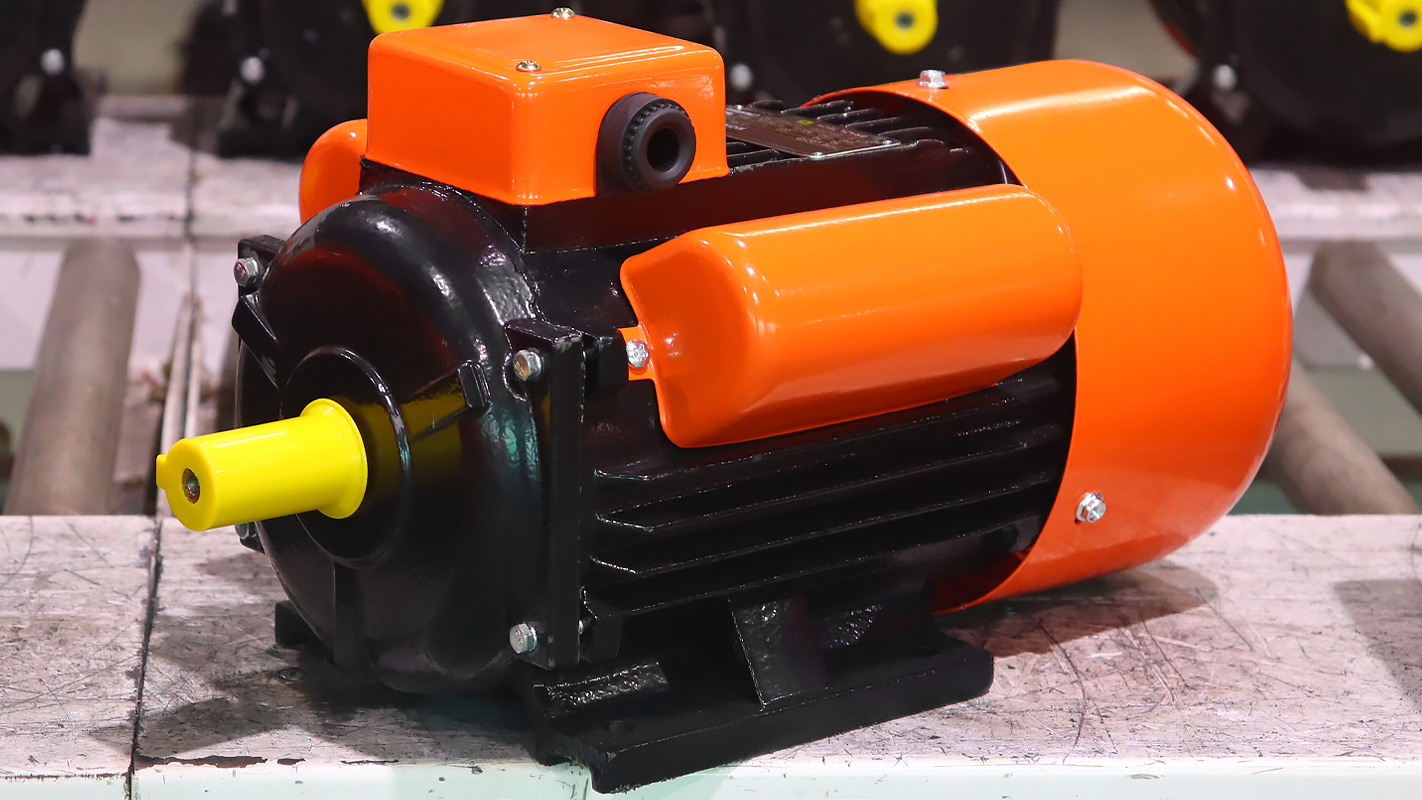
Selecting appropriate starting methods for asynchronous induction motors involves balancing electrical stress, mechanical shock, and operational requirements. Direct-on-line (DOL) starting delivers full torque immediately but creates 600-800% current surges, risking grid instability in weak power infrastructures. Reduced-voltage techniques like star-delta starters lower starting current to 33% by initially connecting windings in star configuration before switching to delta, though torque drops proportionally.
Advanced electronic solutions include soft starters using thyristors to ramp voltage smoothly, limiting both current (≤300% rated) and torque pulsations while extending equipment lifespan. For high-inertia loads requiring precision acceleration, variable frequency drives (VFDs) enable stepless speed control with energy recovery capabilities. Critical selection factors encompass torque profiles (constant/variable torque loads), grid capacity constraints, and duty cycles (continuous/intermittent operation).
Practical implementation requires analyzing harmonic generation thresholds (IEEE 519 compliance), overload protection coordination, and brake integration needs. Prioritizing these considerations ensures minimized mechanical stress, reduced downtime, and adherence to IEC 60034-30 efficiency standards across applications from conveyor systems to pump arrays.
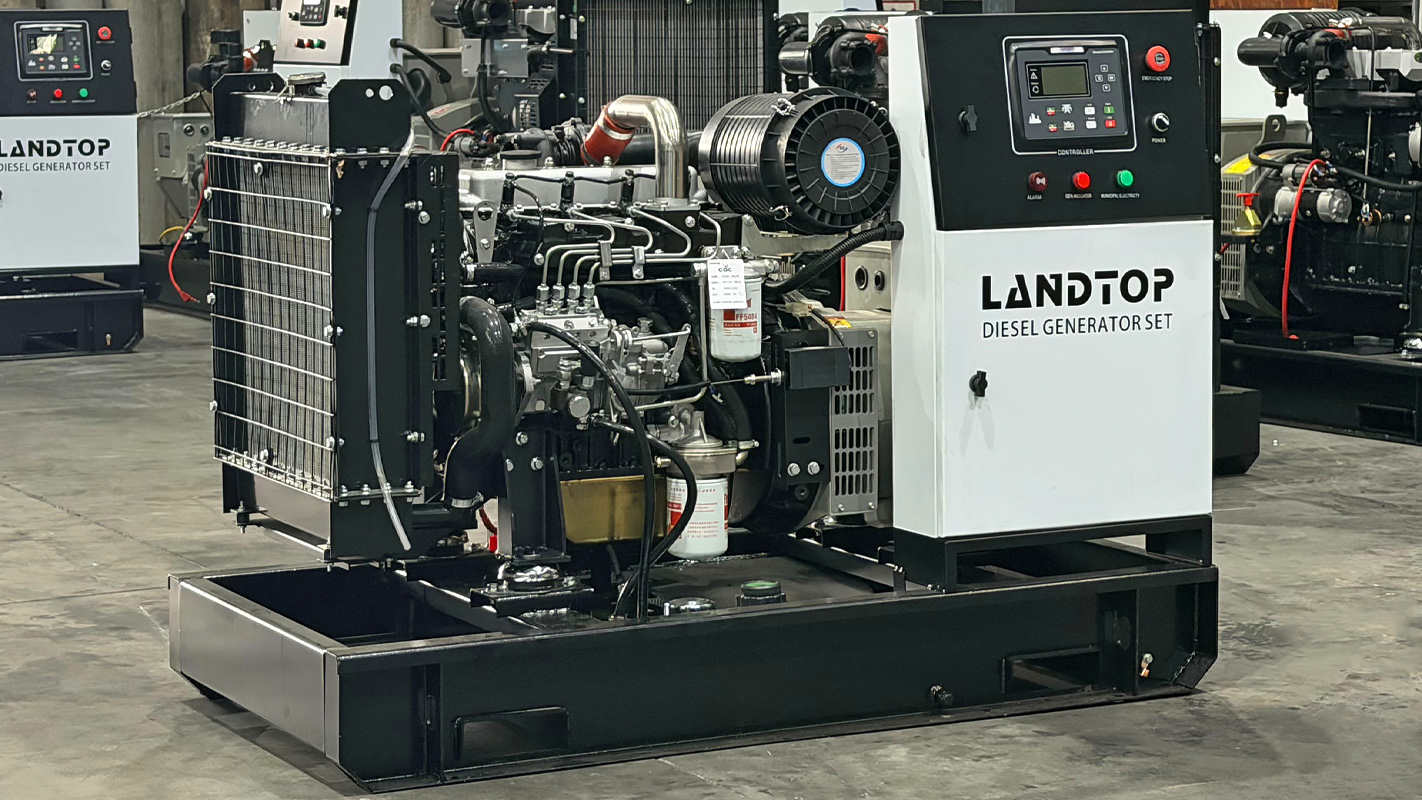
Integrated Diesel Generator Synchronous Asynchronous Systems
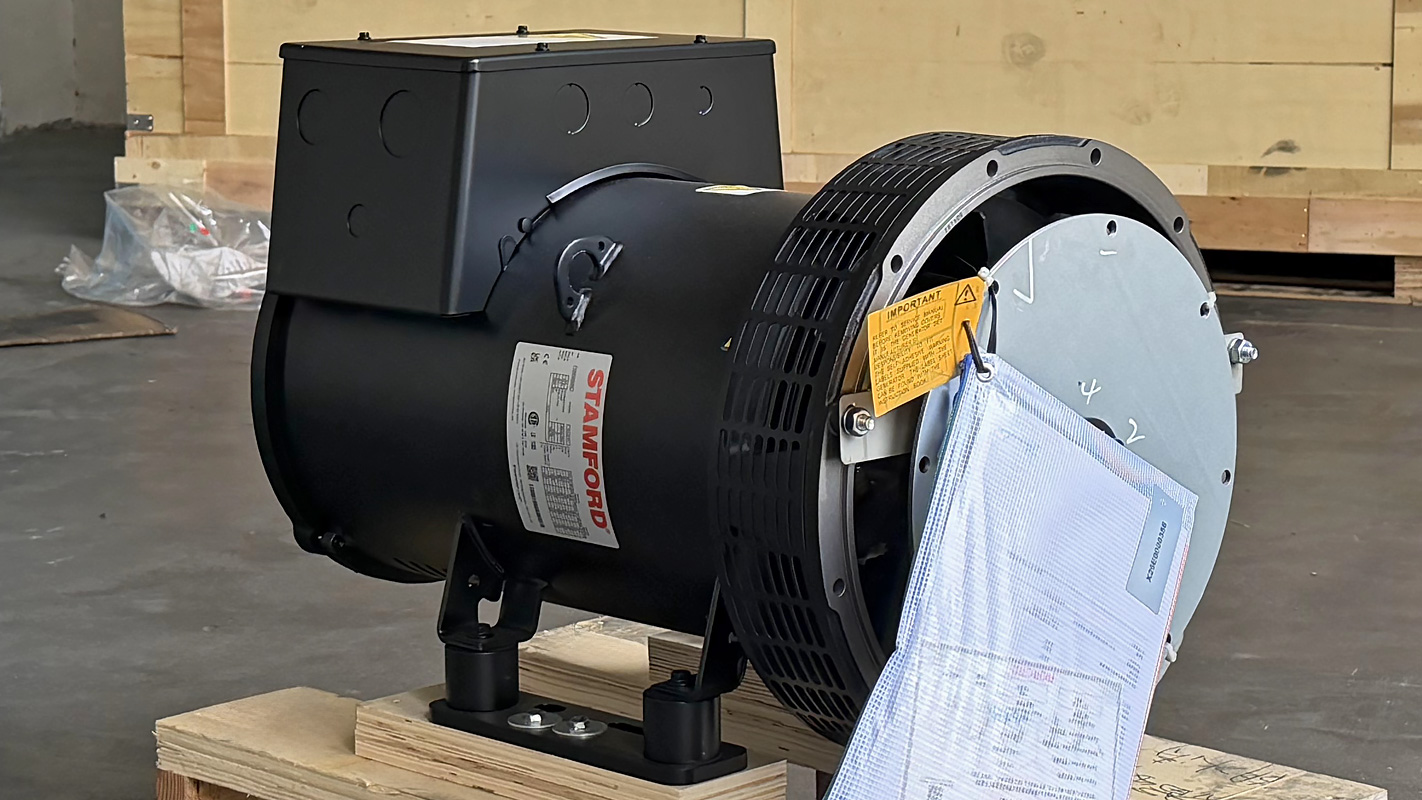
Synchronous Generator Excitation System Guide
Related Article