Natural Gas Generators: Powering Efficiency with Clean Energy
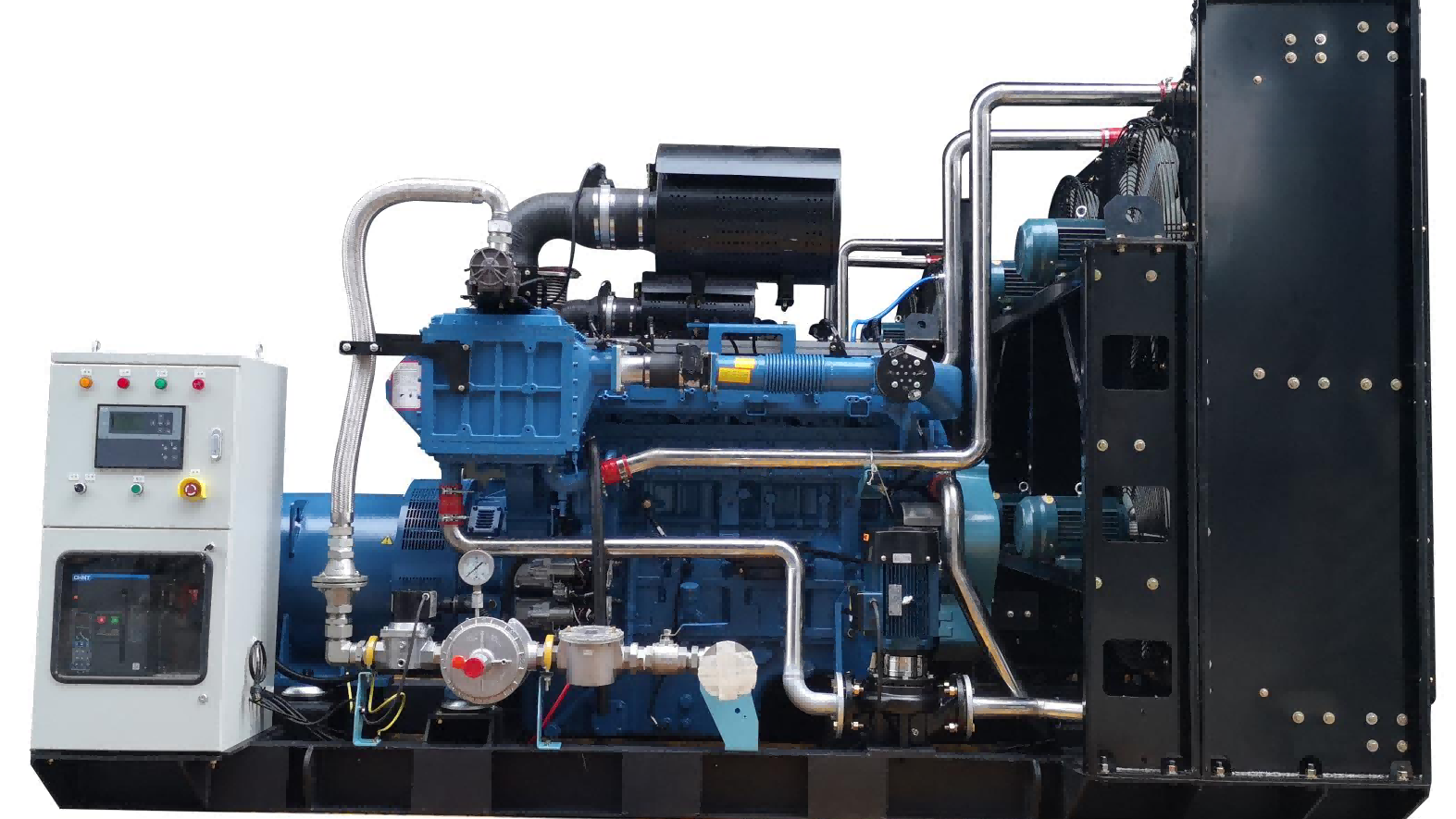
In today's energy landscape, natural gas generators have emerged as a pivotal technology balancing environmental goals and operational efficiency. As industries seek alternatives to traditional coal/diesel power, understanding their advantages and limitations becomes critical. Here's an in-depth analysis:
✅ Key Advantages
- Environmental Superiority
Natural gas (primarily CH₄) slashes emissions versus fossil fuels:- CO₂ reductions up to 42% vs. coal plants.
- Near-zero SO₂ emissions (gas contains no sulfur).
- NOx emissions below 20% of coal equivalents using dry low-NOx burners. This aligns with global carbon neutrality targets and eases compliance pressures.
- Operational Efficiency
- Space Savings: Gas plants require ~50% less land than coal facilities, eliminating coal storage/ash handling.
- Water Conservation: Uses 67% less water, vital in drought-prone regions.
- Fuel Flexibility: Modern units adapt to biogas, landfill gas, or petroleum by-products—enabling waste-to-energy projects.
- Economic Incentives
- Lower Running Costs: Gas generation costs 1/3–1/2 of diesel equivalents, especially when utilizing flared/waste gases.
- Policy Support: China allows grid integration and electricity trading for gas generators, while regions like Shanghai offer tiered tariffs (e.g., $0.5884/kWh for peaking units).
⚠️ Critical Limitations
-
Infrastructure Dependency
Pipeline networks or LNG transport are prerequisites. Remote sites (e.g., mining camps) face logistical hurdles and compression costs. -
Technical Constraints
- Gas Concentration Sensitivity: Low-methane sources (5–30%) demand specialized engines, increasing capital costs.
- Maintenance Demands: Turbines require rigorous upkeep; impurities in biogas accelerate part wear.
-
Capital Intensity
Initial investments exceed diesel gensets. Capacity-based tariffs (e.g., $28/kW-month in Hebei, China) aim to offset this but vary regionally.
Strategic Applications
Gas generators excel in:
- Urban/Industrial Zones: Leveraging pipeline access for baseload or peaking power.
- Waste Valorization: Converting agricultural/municipal waste into electricity (e.g., 700kW landfill projects in Henan).
- Hybrid Systems: Pairing with solar/storage for microgrid resilience.
Conclusion:
Natural gas generators offer a compelling blend of cleanliness and efficiency but demand site-specific feasibility studies. As tech advances (e.g., 900m-head hydraulic systems in SK hydropower), integration flexibility grows—making them cornerstone assets for a low-carbon transition.
Biogas Generators: Sustainable Power with Trade-offs
Yanmar Diesel Engines Powering Global Industries with Unmatched Efficiency
Related Article