Next-Generation Electric Motors: Revolutionizing Industrial Efficiency with Smart Technology

1. The Evolution of Industrial Electric Motors
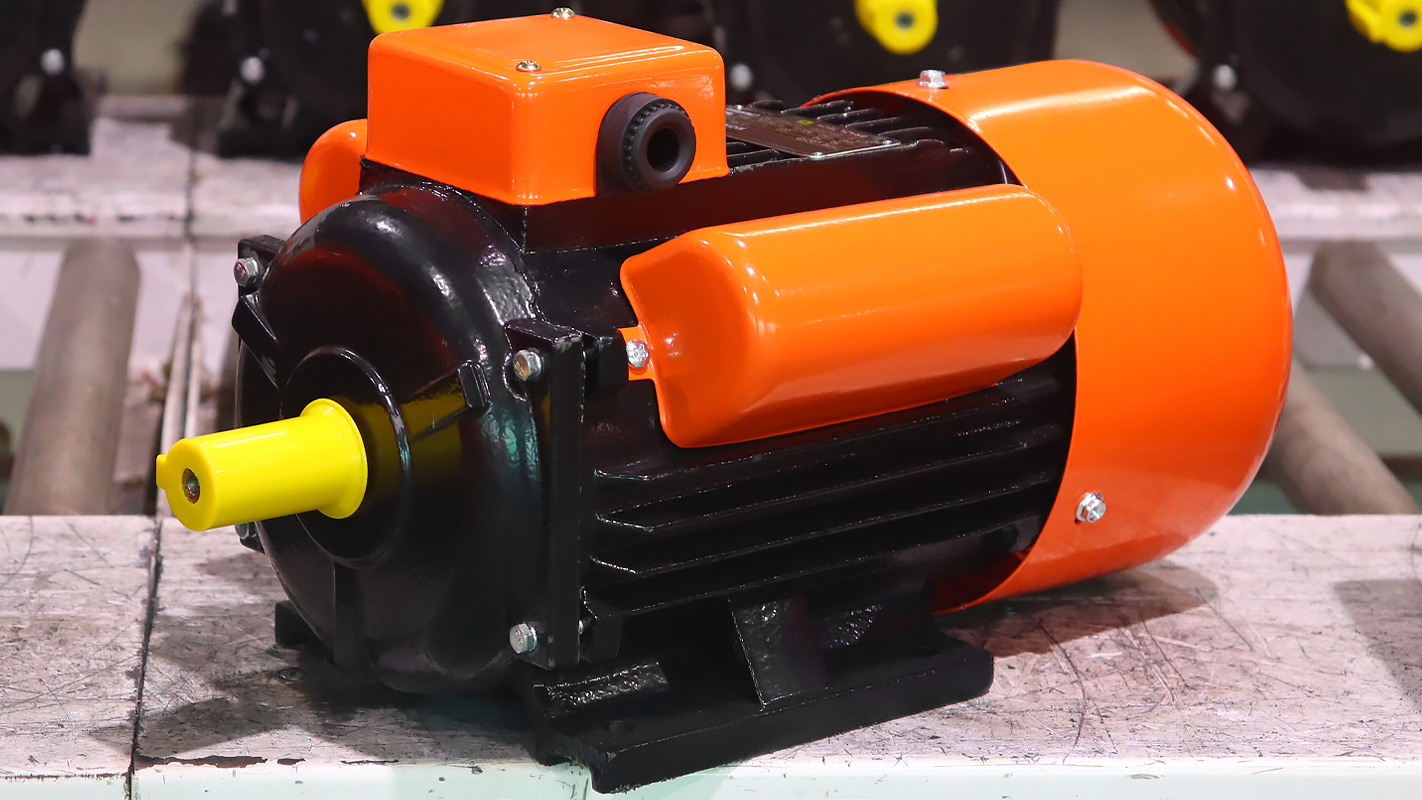
Modern industries demand motors that balance power, precision, and sustainability. Unlike traditional models, our three-phase asynchronous motors (5kW–750kW) integrate advanced materials like die-cast aluminum rotors and Class F insulation, achieving 95% efficiency under full load while reducing heat generation by 25%. These motors comply with IE3 efficiency standards, making them ideal for continuous operations in factories, water treatment plants, and logistics hubs.
2. Smart Technologies Redefining Motor Performance
To address dynamic industrial needs, we embed innovative features:
- Predictive Maintenance Systems: IoT sensors monitor vibration, temperature, and power consumption in real time, detecting anomalies like bearing wear or voltage imbalance 48 hours before failure. This reduces unplanned downtime by 35% in applications such as conveyor systems or CNC machinery.
- Variable Frequency Drive (VFD) Compatibility: Our motors seamlessly pair with VFDs to adjust speed and torque dynamically, cutting energy waste by 40% in HVAC systems or escalators during off-peak hours.
- Customized Designs: Options include explosion-proof (ATEX-certified) motors for chemical plants, stainless steel models for food processing, and submersible IP68 variants for mining dewatering pumps.
3. Applications Driving Sustainable Industrial Growth
- Manufacturing: High-torque 50–500kW motors power robotic arms and assembly lines, maintaining ±0.5% speed consistency even under fluctuating loads.
- Renewable Energy: Integrated with solar pumps or wind turbine pitch systems, our 30–200kW motors enable 24/7 clean energy generation for agricultural irrigation and microgrids.
- Transportation: Compact 10–100kW motors with regenerative braking capabilities support electric forklifts and port cranes, recovering 15% of energy during deceleration.
4. Rigorous Quality Assurance and Global Compliance
Every motor undergoes a 12-stage testing protocol, including 500-hour endurance trials at -40°C to 60°C and harmonic distortion analysis. Certifications like ISO 9001, CE, and UL ensure compliance with EU EcoDesign directives and North American safety standards. Additionally, our modular design allows quick replacement of components like carbon brushes or cooling fans, minimizing maintenance costs.
5. Future Trends: Motors in the Industry 4.0 Era
The rise of AI and decarbonization is reshaping motor technology:
- Hydrogen-Ready Motors: Prototypes compatible with hydrogen fuel cells reduce CO₂ emissions by 60% compared to diesel-driven systems, targeting sectors like offshore wind farms.
- Digital Twins: Virtual replicas of motors simulate performance under extreme conditions, optimizing lifespan and load capacity for aerospace testing rigs or high-speed trains.
- Circular Manufacturing: We use 85% recyclable materials and offer remanufacturing services to extend product lifecycles, aligning with EU's Circular Economy Action Plan.
Conclusion:
As industries accelerate toward automation and carbon neutrality, our smart electric motors provide the reliability, efficiency, and adaptability needed to thrive. By merging robust engineering with digital innovation, we empower businesses to achieve operational excellence while reducing environmental footprints.
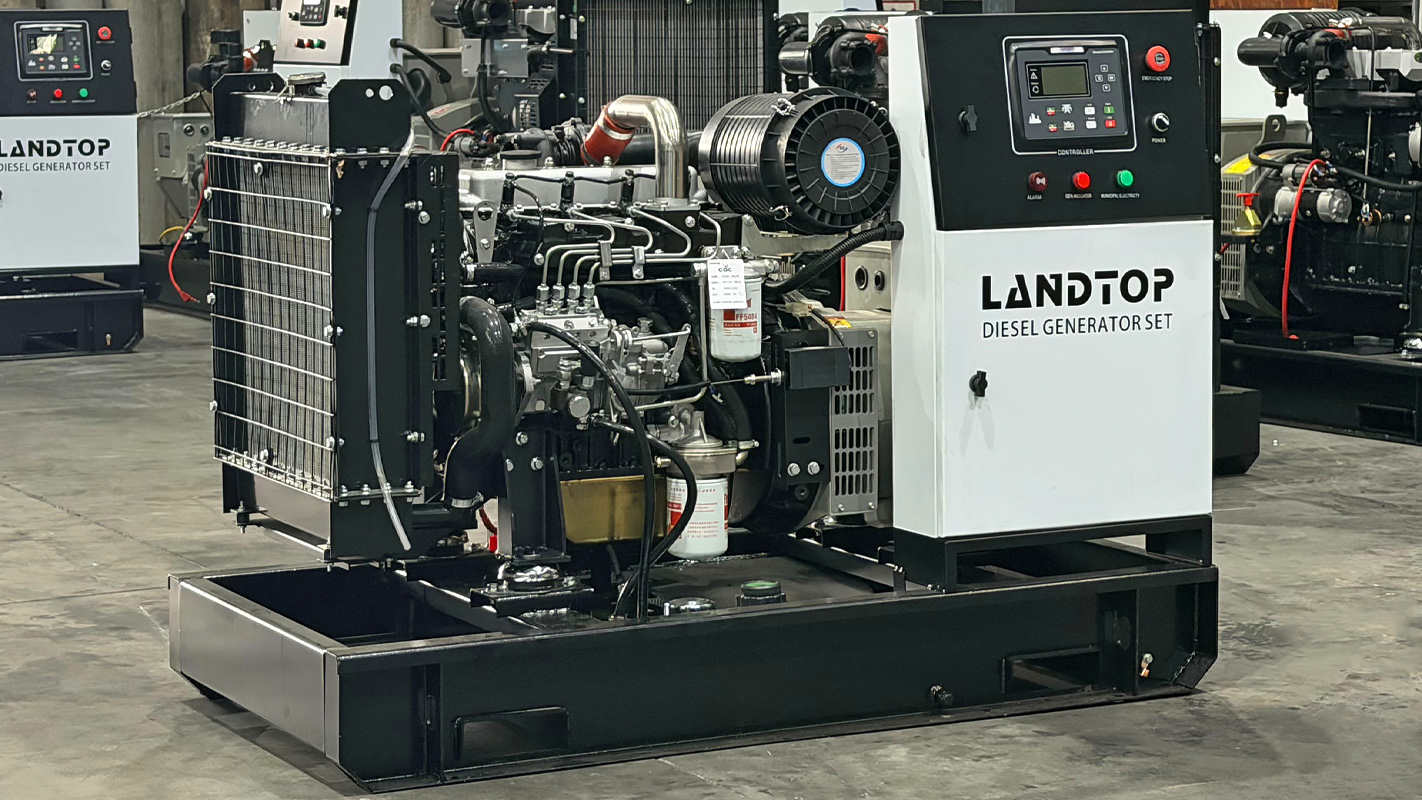
Industrial Diesel Generators: Reliable Backup Power Solutions for Critical Operations
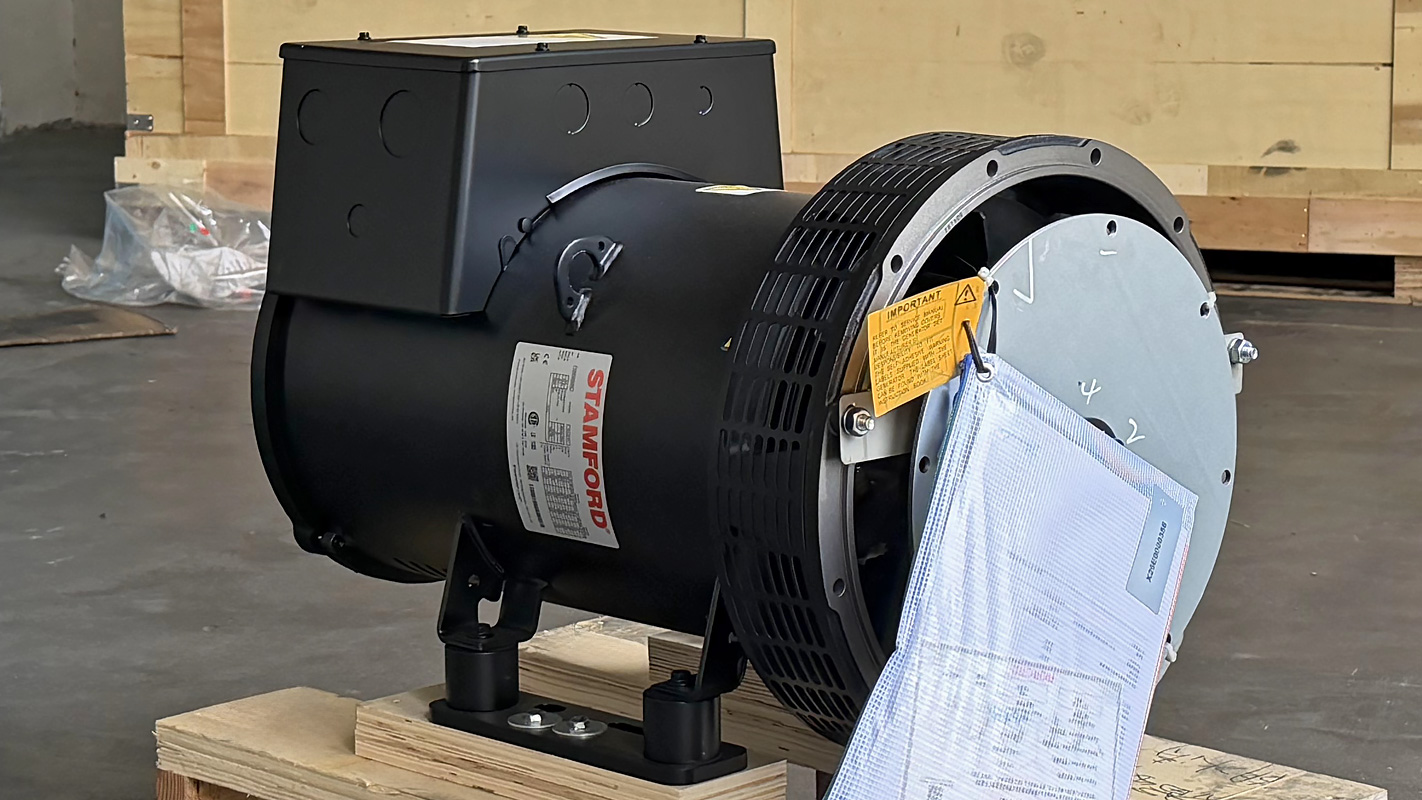
Advanced Alternators for Industrial Efficiency: Powering Modern Applications with Precision
Related Article