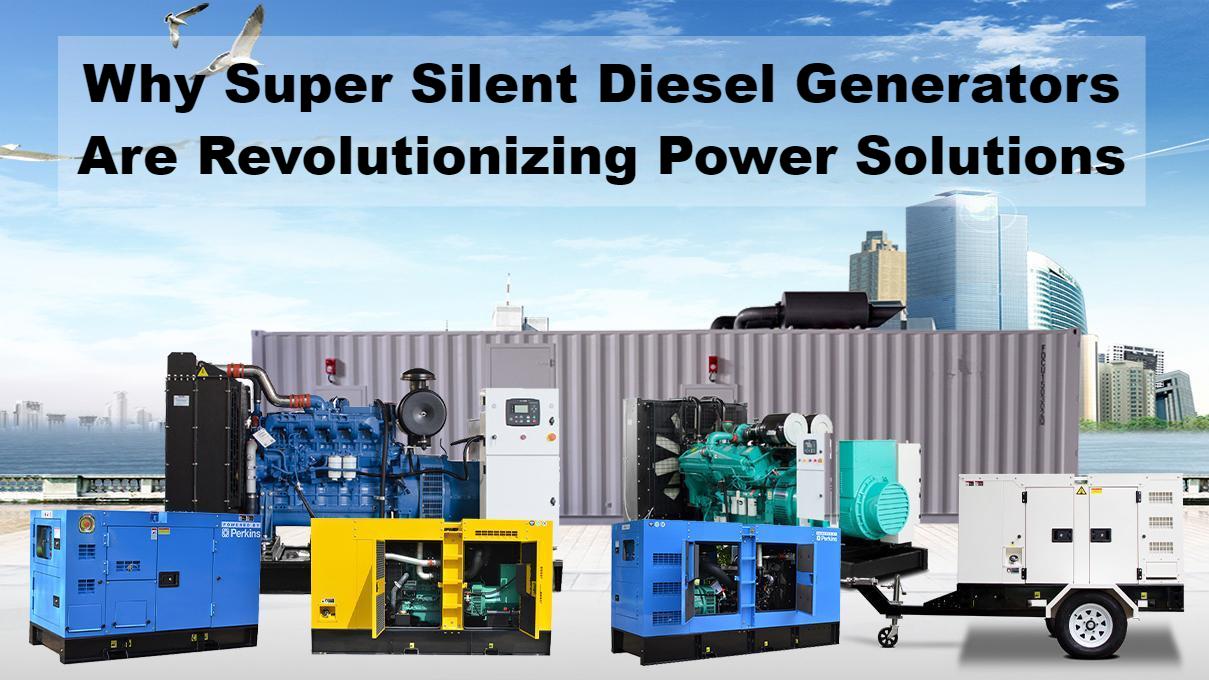
Why Super Silent Diesel Generators Are Revolutionizing Power Solutions
author: LANDTOP- Ray
2025-03-04
I. The Engineering Behind Super Silent Technology
1.1 Advanced Noise Reduction Mechanisms
- Soundproof Enclosures: Multi-layered steel casing with acoustic foam reduces noise to 65-75 dB (comparable to a vacuum cleaner).
- Vibration Dampeners: Anti-vibration mounts isolate engine movement, preventing structural noise transmission.
- Exhaust Silencers: Dual-stage mufflers cut low-frequency rumbling by 40% compared to standard generators.
1.2 Smart Fuel Efficiency Systems
- Eco-Mode Technology: Automatically adjusts engine speed based on load demand, cutting fuel consumption by 25%.
- Turbocharged Engines: Enhanced combustion efficiency boosts power output while reducing emissions.
II. Key Benefits Over Conventional Generators
2.1 Unmatched Operational Quietness
- Hospital Compliance: Meets WHO noise standards for medical facilities (<68 dB at 7 meters).
- Residential Friendly: Nighttime operation won’t disturb neighbors—critical for urban backup power.
2.2 Long-Term Cost Savings
- Lower Maintenance: Durable components (e.g., cast-iron pistons) extend service intervals to 500+ hours.
- Fuel Economy: Saves $1,200+ annually for a 100kW unit running 8 hours/day.
2.3 All-Weather Reliability
- Cold Start Capability: Built-in glow plugs ensure ignition at -15°C.
- Corrosion Resistance: Powder-coated frames withstand coastal salt spray and humid environments.
III. Applications Across Industries
3.1 Construction & Mining
- Remote Site Power: Silent operation preserves worker communication in noise-sensitive zones.
- Case Study: A Malaysian quarry reduced noise complaints by 70% after switching to super silent models.
3.2 Healthcare & Education
- Emergency Backup: Ensures MRI machines and lab equipment operate during outages without disrupting patients.
3.3 Hospitality & Retail
- Outdoor Events: Powers wedding venues and food trucks while maintaining ambiance.
IV. How to Choose the Right Model
4.1 Power Capacity Calculation
- Formula: Total kW = (Sum of device wattages × 1.25) / 1000
- Pro Tip: Always allocate 25% extra capacity for surge loads (e.g., motor startups).
4.2 Brand & Certification Checklist
- Certifications: Look for ISO 8528 compliance and CE/EU emission standards.
- Warranty: Opt for brands offering 3+ years on engines (e.g., Perkins, Cummins).
4.3 Budget vs. ROI Analysis
- Entry-Level (20-50kW): 4,000−4,000−8,000, ideal for small workshops.
- Premium Tier (100-500kW): 18,000−18,000−50,000 with IoT-enabled remote monitoring.
V. Maintenance Tips for Peak Performance
- Monthly Checks:
- Inspect air filters and coolant levels.
- Test automatic transfer switches.
- Annual Servicing:
- Replace fuel injectors and timing belts.
- Calibrate voltage regulators (±2% accuracy).
AC Alternators: The Heartbeat of Modern Power Systems - Your Ultimate Efficiency Guide
How to Select the Perfect Diesel Generator for Construction Sites?
Related Article

Heavy duty brush alternator maintains stable performance under tough and extreme working environments.
Brush Alternator Withstanding Harsh Working Conditions
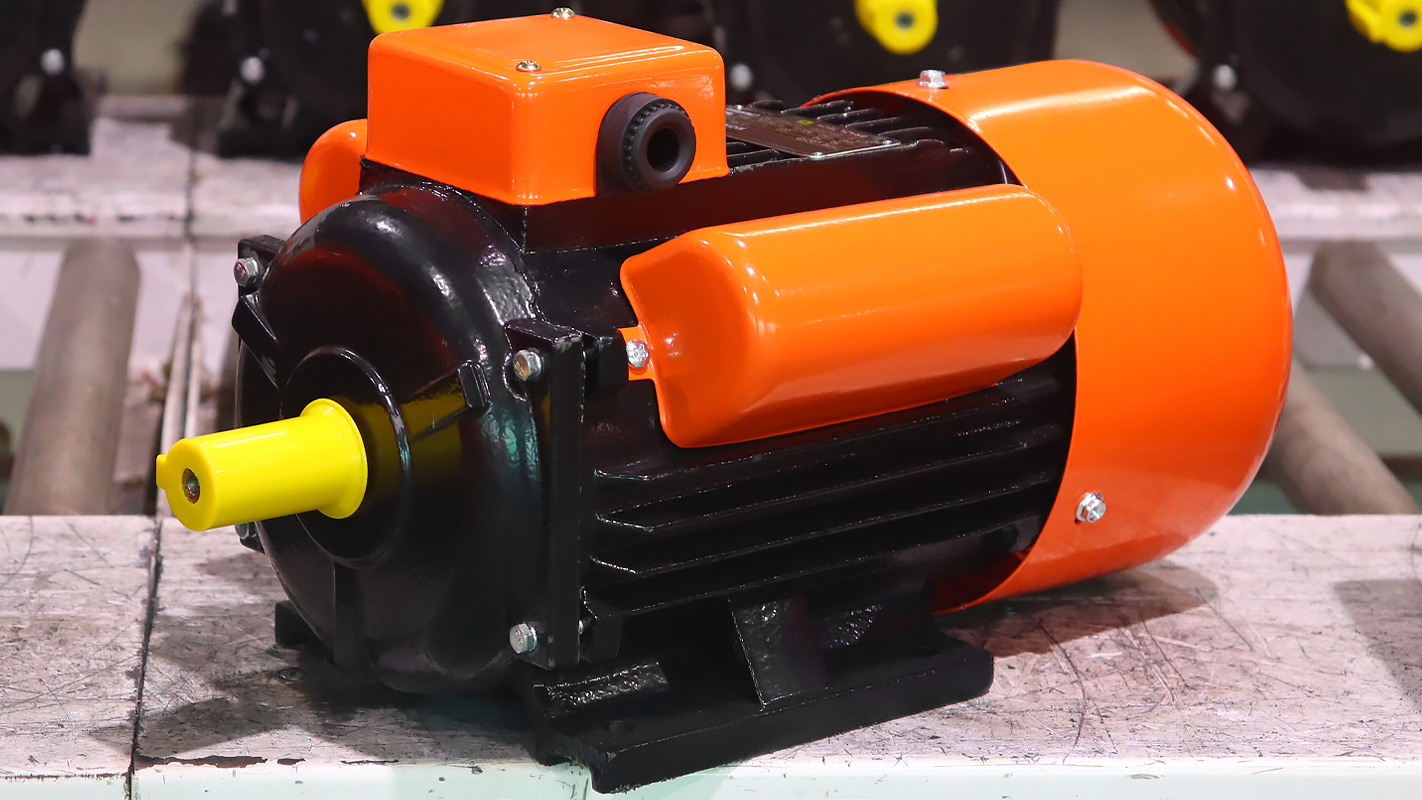
High-performance electric motors boost industrial output and streamline daily operational workflows efficiently.
Electric Motor Improving Industrial Productivity