Silent Dynamo Powering Modern Industry
The Engine of Uninterrupted Progress: Self-Excited Brushless Synchronous Alternators
In the relentless pursuit of industrial efficiency and reliability, the self-excited brushless synchronous alternator stands as a cornerstone of modern power generation. Unlike traditional generators reliant on separate excitation systems or problematic brush assemblies, this advanced technology integrates excitation directly into its core design, eliminating critical failure points while boosting operational resilience. Operating on the fundamental electromagnetic induction principle where rotor movement within a stator's magnetic field generates electricity, these alternators achieve true synchronization—the rotor's rotational speed perfectly matches the stator's rotating magnetic field frequency. This inherent synchronization is paramount for maintaining stable voltage and frequency output under variable loads, a non-negotiable requirement for sensitive modern electronics and industrial machinery.
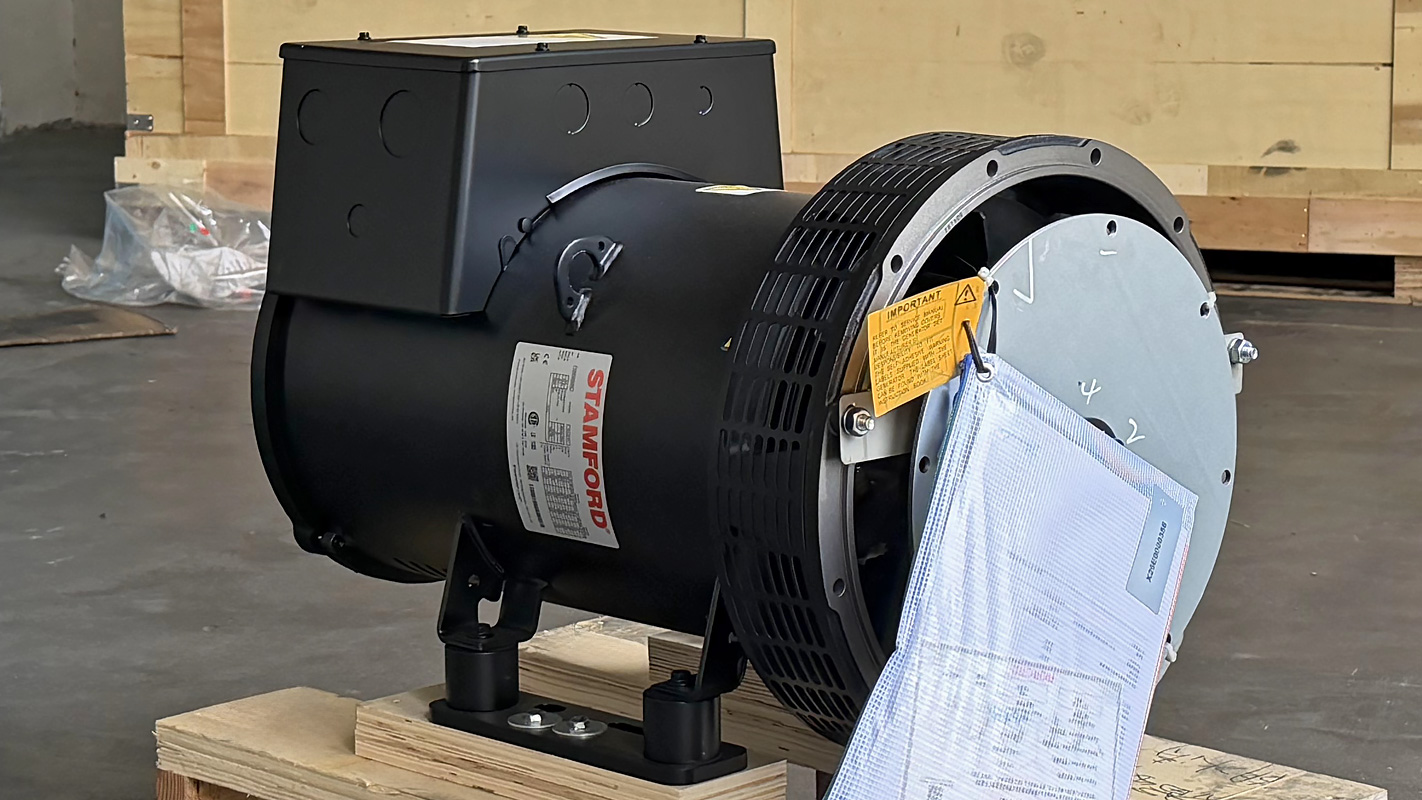
The defining innovation lies in the seamless integration of the brushless design with self-excitation. Traditional brushed alternators employ physical carbon brushes and slip rings to conduct current to the rotating rotor winding, creating the necessary magnetic field. This interface, however, is inherently prone to wear, sparking, carbon dust accumulation, and eventual failure, demanding frequent maintenance and causing unplanned downtime. Brushless technology ingeniously circumvents this limitation. Instead of direct contact, it utilizes a small auxiliary generator (exciter) mounted on the main alternator shaft. The exciter's stationary field winding receives a small initial current (often derived from residual magnetism or a minimal external start source), inducing AC current in its rotating armature. This AC is then rectified to DC by rotating diodes mounted directly on the rotor shaft. This rectified DC flows into the main rotor field winding, generating its powerful magnetic field. Crucially, the entire excitation process—from the stationary exciter field through the rotating rectifiers to the main rotor field—happens without any sliding electrical contacts. This fundamental shift eliminates brush wear, sparking, and associated contamination, dramatically enhancing reliability and extending operational lifespans, particularly in demanding or remote environments.
Self-excitation further elevates the system's autonomy and robustness. The alternator leverages its own generated power to sustain its magnetic field once initial operation commences. This closed-loop system typically initiates from residual magnetism present in the rotor iron core. As the prime mover (diesel engine, turbine, etc.) starts rotating the alternator shaft, this residual magnetism induces a small voltage in the stator windings. This initial voltage is fed back (often through automatic voltage regulator - AVR - circuitry) to power the exciter's stationary field winding. This action strengthens the exciter's output, which, after rectification, feeds more current into the main rotor field, further increasing the main stator output voltage. This bootstrap process rapidly builds the voltage to its nominal level, governed precisely by the AVR. The AVR continuously monitors the main output voltage and adjusts the current supplied to the exciter field, compensating instantly for load changes to maintain a steady, high-quality voltage output. This inherent self-sustaining capability minimizes reliance on external power sources for excitation, simplifying system design and enhancing operational independence.
The synergy of brushless architecture and self-excitation yields compelling efficiency advantages. Eliminating brush friction directly reduces mechanical losses. More significantly, the precise electronic control enabled by the AVR and solid-state rectifiers optimizes the magnetic field strength exactly to the load demand. Unlike fixed-excitation systems that may generate excess magnetic field (and associated losses) during lighter loads, the self-excited brushless system scales excitation power consumption dynamically. This targeted energy use translates directly into reduced fuel consumption for prime movers and lower operating costs, especially valuable in continuous or standby power applications. Furthermore, the robust voltage regulation inherent in these systems ensures highly efficient power transfer to connected loads, minimizing losses due to voltage fluctuations.

Reliability and resilience are paramount in critical power applications, areas where the self-excited brushless alternator excels. The absence of brushes removes a primary source of failure, significantly boosting mean time between failures (MTBF). The sealed nature of the rotating excitation system protects diodes and rotor windings from environmental contaminants like dust, moisture, oil mist, and corrosive atmospheres, making these alternators exceptionally suitable for harsh industrial sites, marine applications, mobile equipment, and remote installations. The inherent stability of the synchronous design, coupled with sophisticated AVR responses, provides excellent immunity to load transients (sudden motor starts, step load changes). This ensures stable power for sensitive equipment like data centers, medical facilities, and precision manufacturing lines. The self-exciting nature also enhances black-start capability, a critical feature for emergency standby power systems, as it requires minimal external support to initiate power generation.
The operational benefits extend to significantly reduced maintenance burdens. Without brushes to replace or slip rings to clean and resurface, routine maintenance intervals are extended, and the complexity of servicing is greatly reduced. Maintenance focuses primarily on ensuring clean cooling air intake (for air-cooled units), checking coolant levels (for liquid-cooled stators), verifying belt tension (if applicable), and periodic testing of the AVR and control systems. This translates into lower lifetime maintenance costs and increased operational availability, maximizing the return on investment. The inherent robustness also contributes to a longer overall service life compared to brushed counterparts.
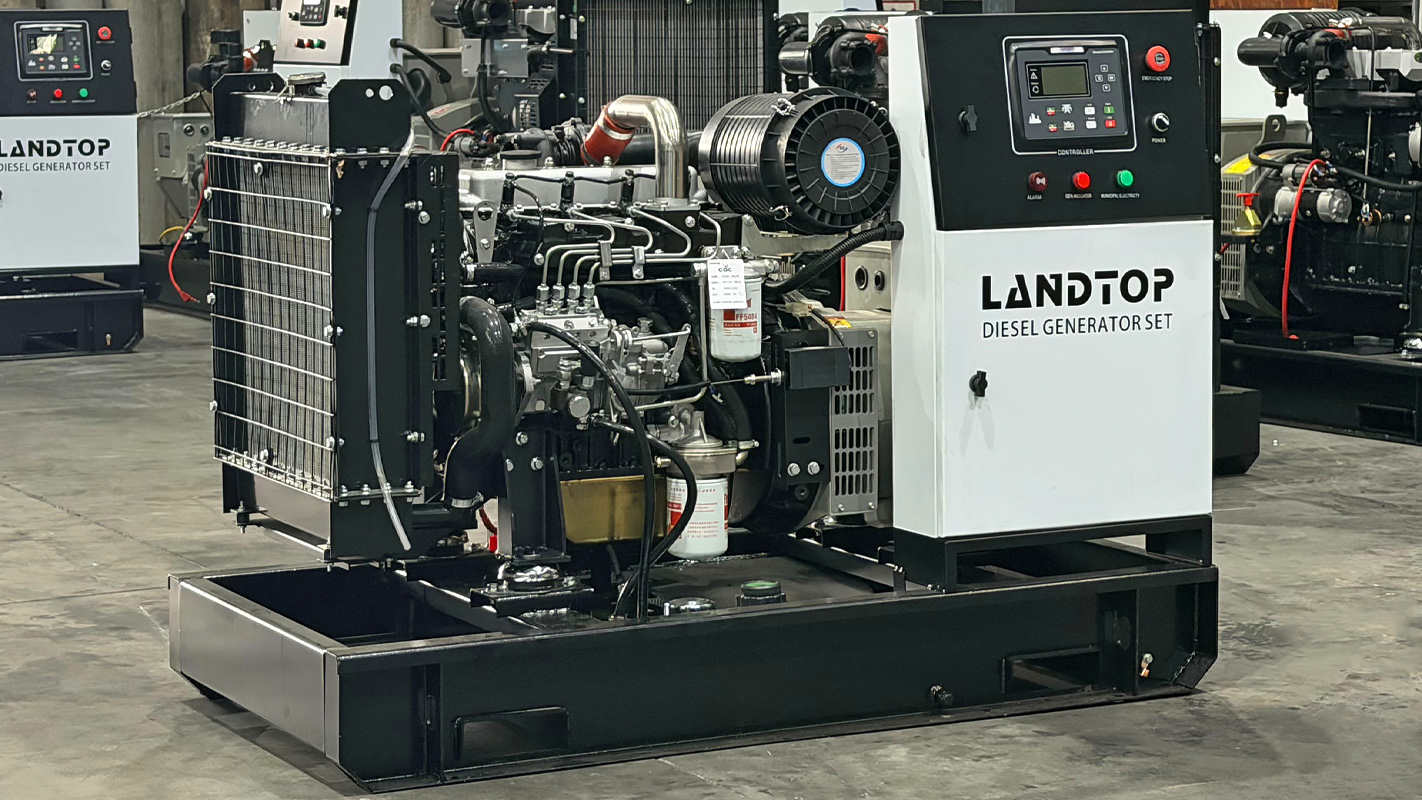
The application landscape for self-excited brushless synchronous alternators is vast and critical. They are the preferred power source for prime power generation in remote locations like mining operations, oil & gas fields, and construction sites, where grid power is unavailable and reliability is non-negotiable. They form the backbone of emergency and standby power systems for hospitals, data centers, telecommunication facilities, and essential infrastructure, providing instantaneous backup power during grid failures. Their stability makes them ideal for continuous industrial power supporting manufacturing processes, water treatment plants, and large commercial complexes. Mobile applications, including power generation on vehicles, vessels, and portable gensets, benefit immensely from their vibration resistance, compactness (due to integrated excitation), and minimal maintenance needs. Furthermore, they are increasingly integrated into hybrid renewable energy systems, providing stable, dispatchable power to complement intermittent solar or wind sources.
In conclusion, the self-excited brushless synchronous alternator represents a sophisticated evolution in power generation technology. By masterfully combining the inherent stability of synchronous operation with the unparalleled reliability of brushless design and the autonomous efficiency of self-excitation, it delivers a power solution characterized by exceptional robustness, minimal maintenance, high efficiency, and superior power quality. As industries worldwide demand ever-greater levels of operational uptime, energy efficiency, and resilience, the role of these advanced alternators in powering critical infrastructure, industrial processes, and emergency systems becomes increasingly indispensable. They are not merely generators; they are the silent, dependable dynamos driving the uninterrupted progress of modern civilization.
Unlock Peak Performance with YC Single-Phase Asynchronous Induction Motors
Global Generator Market Landscape 2025
Related Article