Single Phase AC Alternator: Reliable Power Solutions for Homes and Small Industries
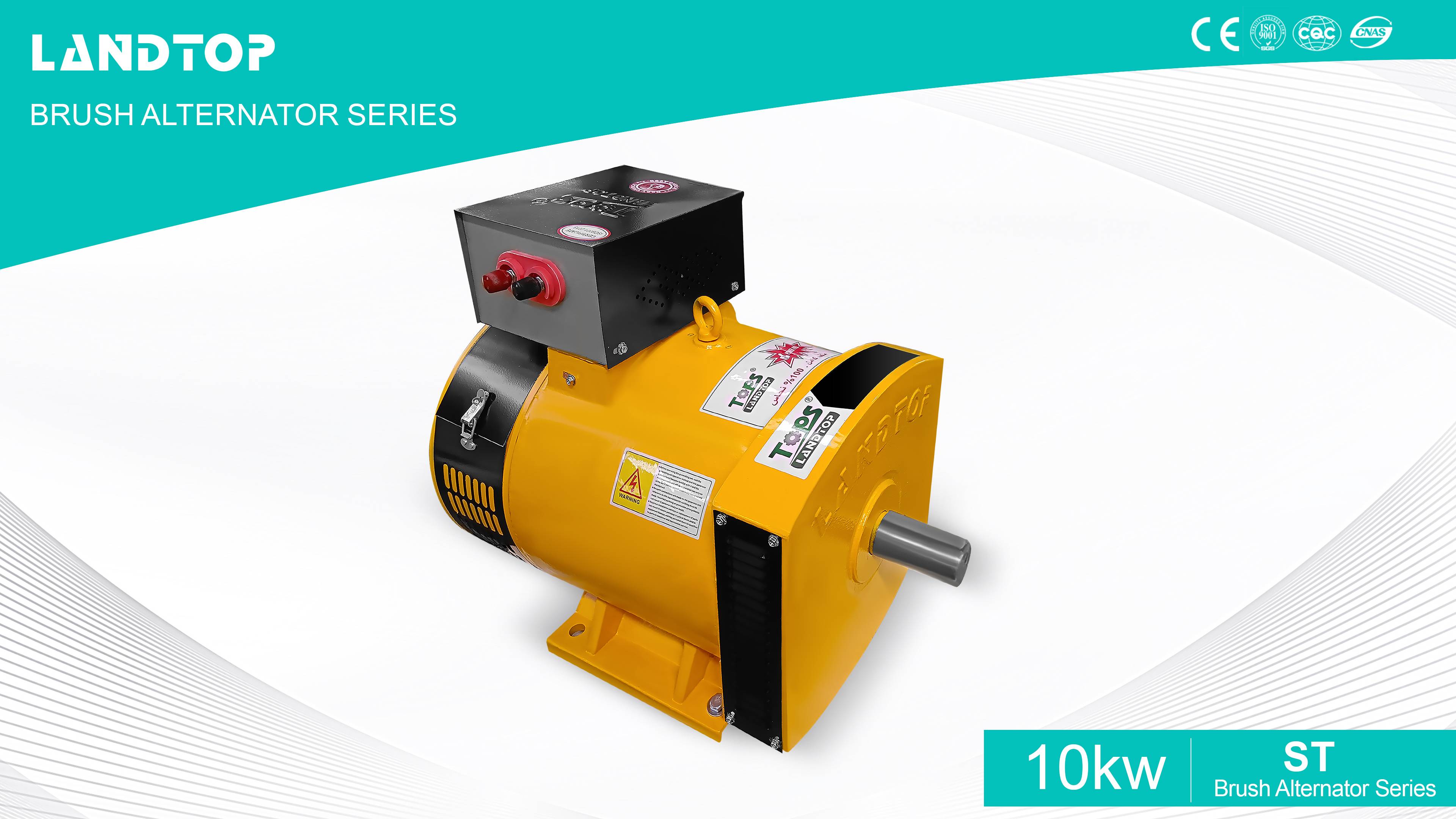
1. What is a Single Phase AC Alternator?
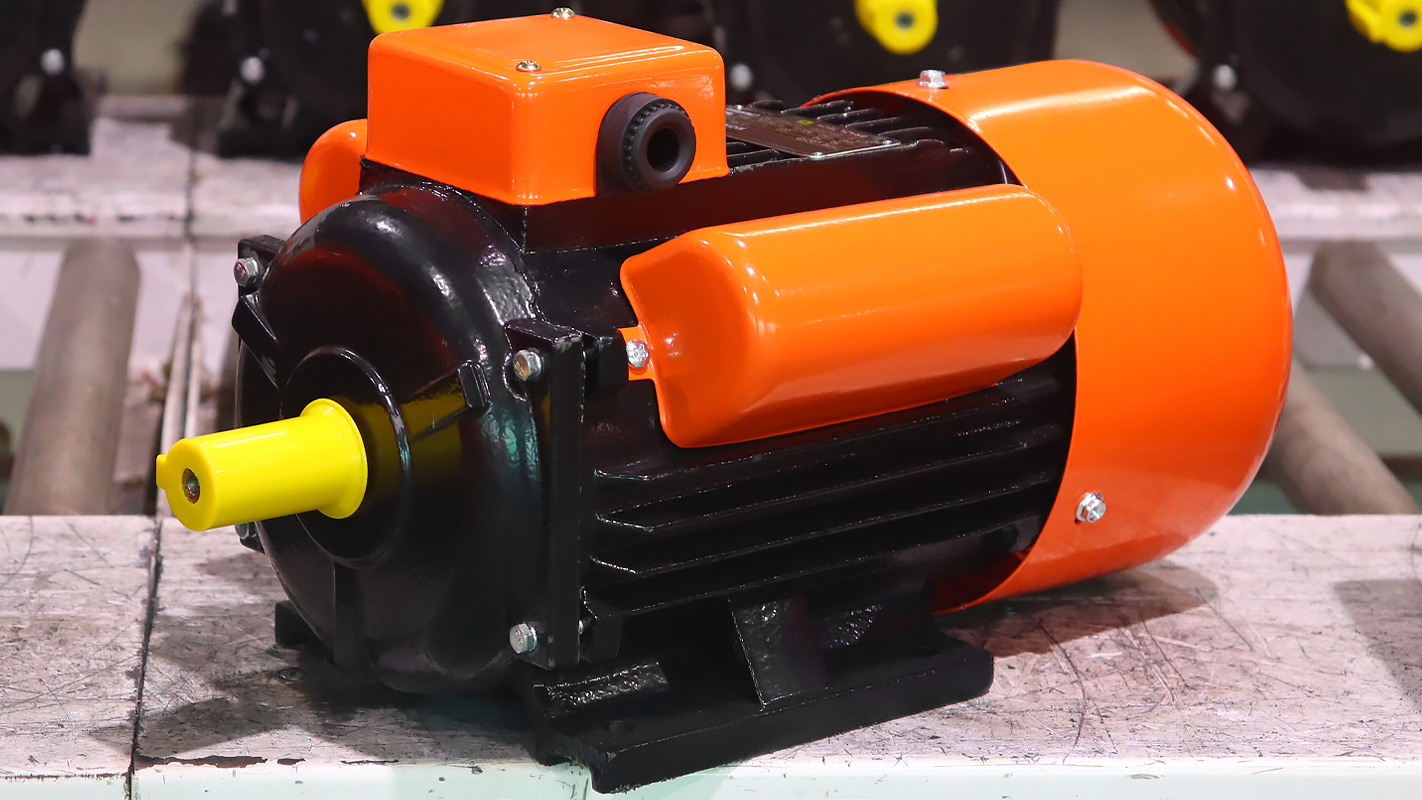
A single phase AC alternator generates alternating current with a single sinusoidal voltage waveform. Unlike three-phase systems, it uses a single winding and brushes to transfer current, making it ideal for low-to-medium power applications (up to 10kW). Key components include:
- Stator: Stationary copper winding producing magnetic flux.
- Rotor: Rotating electromagnet (field winding) powered via slip rings and carbon brushes.
- Voltage Regulator: Maintains stable output under load fluctuations.
This design ensures affordability and compatibility with household appliances like refrigerators, lights, and small motors.
2. Key Applications and Market Demand
Single phase alternators cater to diverse sectors:
- Home Backup Systems: Power outages disrupt daily life; 220V single phase alternators paired with inverters provide seamless energy transitions.
- Agricultural Machinery: Irrigation pumps, grain grinders, and dairy equipment rely on portable alternators.
- Construction Sites: Compact brush-type units power tools in remote areas without grid access.
In 2025, the global market for single phase alternators is projected to grow by 8% annually, driven by urbanization and renewable energy hybridization trends.
3. Advantages Over Three-Phase Alternators
- Cost-Effective: Simplified design reduces manufacturing costs by 30–40%.
- Ease of Installation: No complex wiring; compatible with standard household circuits.
- Low Maintenance: Brush replacement costs under $50 vs. brushless systems requiring specialized servicing.
However, three-phase alternators excel in high-power industrial settings (e.g., factories), while single phase dominates residential and small business applications.
4. Maintenance Tips for Longevity
- Brush Inspection: Replace carbon brushes every 1,000–1,500 operational hours to prevent voltage drops.
- Bearing Lubrication: Apply high-temperature grease annually to reduce rotor friction.
- Cooling System: Clean air vents monthly; overheating shortens lifespan by 50%.
Pro Tip: Download a brush-type alternator maintenance checklist from certified suppliers like Cummins or Mecc Alte.
5. How to Choose the Right Alternator
Consider these factors:
- Power Rating: Match kW capacity to peak load (e.g., 5kW for a 3-bedroom home).
- Fuel Efficiency: Opt for models with automatic idle control to save 15–20% on fuel.
- Certifications: Look for CE, ISO 8528, or UL labels for safety compliance.
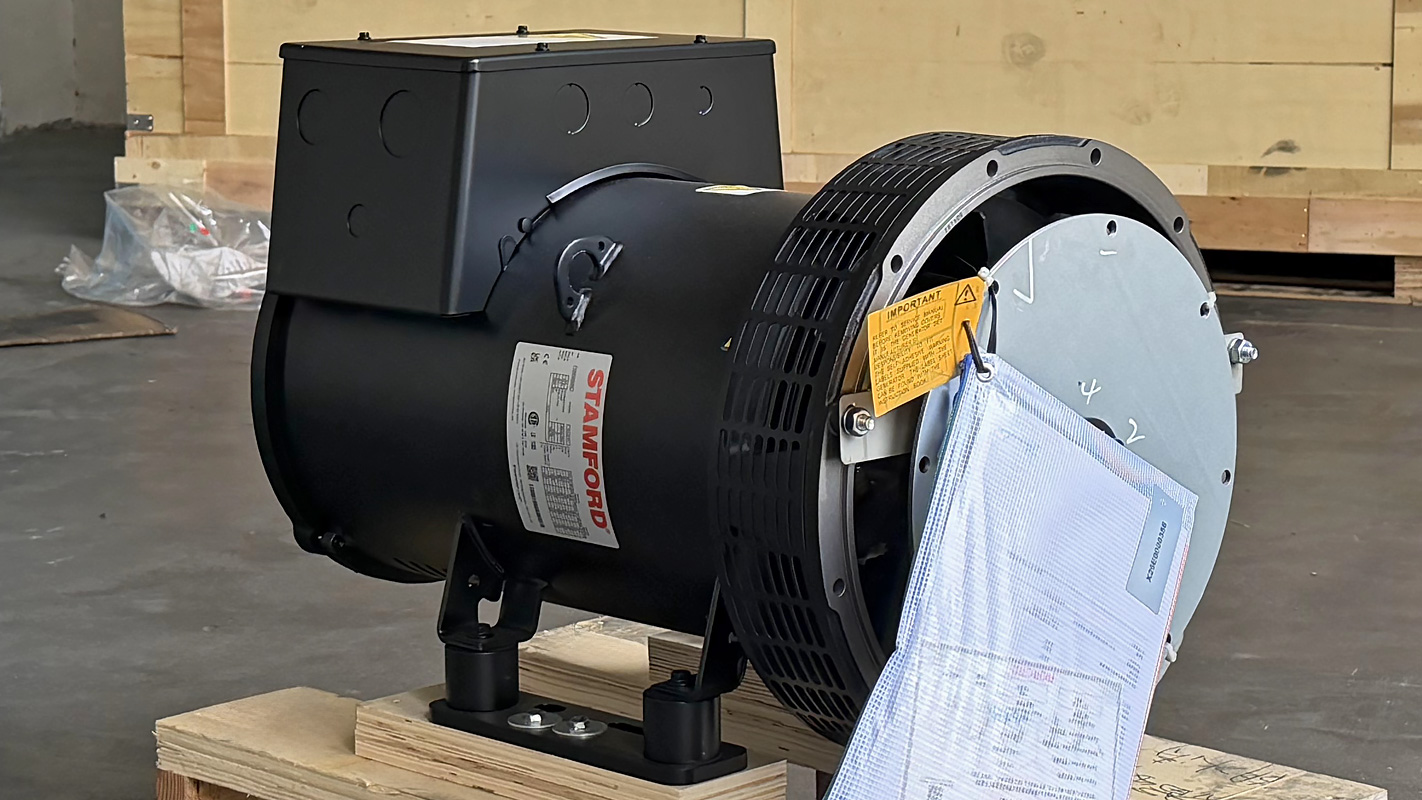
Top-rated brands include Honda (quiet operation), Stamford (high durability), and Leroy-Somer (budget-friendly).
6. Future Trends: Hybrid Systems
Integrating single phase alternators with solar panels creates hybrid setups:
- Solar-Alternator Combos: Use solar energy during the day; alternators activate at night or cloudy days.
- Smart Controllers: IoT-enabled devices optimize fuel usage and monitor performance via mobile apps.
These innovations reduce carbon footprints and operational costs by 35%.
KOFO Diesel Engine: Power Redefined for Industrial Excellence
Ultimate Guide to Portable Air-Cooled Gasoline Generators: Power Anywhere, Anytime
Related Article