Stator Rotor Materials Impact Brushless Generators

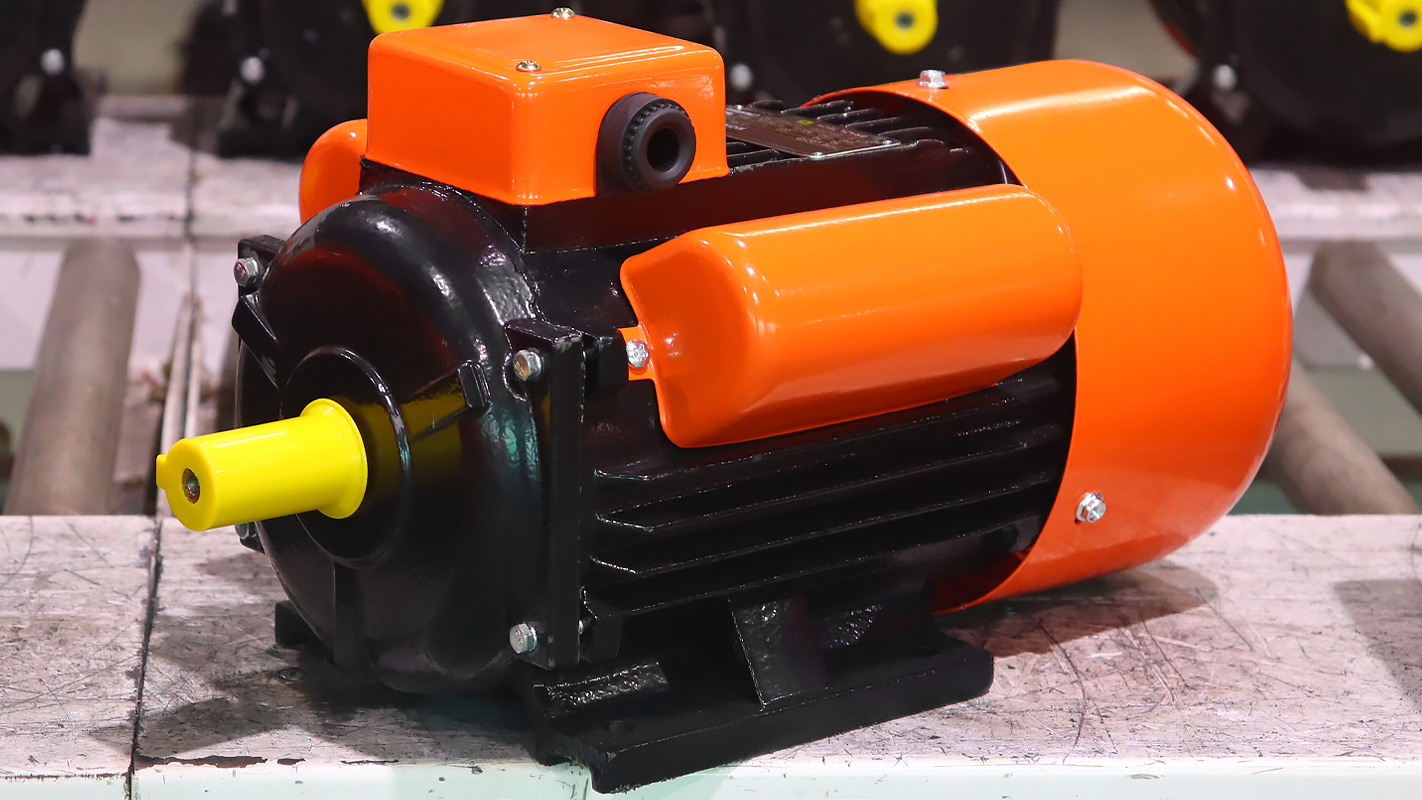
(Stators used in LANDTOP brand brushless AC generators)
The fundamental performance characteristics of self-excited brushless synchronous generators are intrinsically governed by the metallurgical and insulating properties of their stator and rotor components. While advancements in excitation systems and brushless architectures receive significant attention, the foundational materials comprising the electromagnetic pathway determine the operational ceiling of even the most sophisticated designs. High-grade alloys and laminations cease to be mere construction elements—they transform into performance multipliers that dictate efficiency, thermal resilience, harmonic distortion thresholds, and ultimately, the generator's service lifespan under demanding conditions.
Electromagnetic Efficiency Foundations
At the heart of energy conversion lies the quality of electrical steel laminations forming stator and rotor cores. Superior cold-rolled non-oriented silicon steel (CRNGO) with silicon content exceeding 3.2% significantly reduces eddy current losses through enhanced electrical resistivity. Premium grades featuring laser-scribed domain refinement achieve core losses below 2.1W/kg at 1.5T/60Hz, directly translating to:
- Reduced No-Load Consumption: High-purity silicon steel laminations diminish magnetizing current requirements by 18-22%, decreasing parasitic energy drain during standby operation
- Enhanced Flux Density: Optimal grain-oriented structures permit magnetic saturation limits exceeding 1.9 Tesla, enabling compact generator footprints without compromising output capacity
- Harmonic Mitigation: Precision laser-cutting minimizes interlaminar shorts, suppressing harmonic generation at the electromagnetic source rather than through external filters
Thermal Management Imperatives
Material selection directly governs thermal stability—the critical determinant of insulation lifespan and sustained output capability:
- Rotor Dynamics: Forged chromium-molybdenum alloy shafts with ultrasonic-tested homogeneity maintain concentricity within 5μm at 180°C, preventing unbalanced magnetic pull during thermal expansion
- Stator Winding Integrity: Polyether-ether-ketone (PEEK)-based magnet wire insulation retains dielectric strength above 40kV/mm at continuous 200°C operation, eliminating thermal degradation hotspots
- Heat Dissipation Engineering: Stator core ventilation ducts integrated with amorphous alloy end plates create anisotropic thermal pathways, reducing winding temperatures by 15°C under full load
Mechanical Longevity Determinants
The operational environment dictates material specifications that transcend electrical requirements:
- Vibration Resistance: Isotropic sintered neodymium-iron-boron rotor magnets with nickel-copper-nickel triple-layer plating withstand 25G vibration without flux degradation
- Corrosion Immunity: Aluminum-zirconium coated stator laminations prevent interlamination oxidation in 98% RH environments, maintaining consistent magnetic permeability
- Fatigue Endurance: Vacuum pressure impregnation (VPI) with cycloaliphatic epoxy fills micro-cavities in windings, eliminating partial discharge erosion under mechanical stress cycles
Electromagnetic Stability Considerations
Material quality manifests in operational consistency across variable conditions:
- Voltage Regulation Precision: Low-loss grain-oriented steel in excitation transformer cores enables ±0.25% voltage stability during 100% load rejection
- Harmonic Distortion Control: Nickel-iron alloy flux distributors integrated within stator slots suppress triplen harmonics at source generation
- Transient Response: High-permeability cobalt-iron auxiliary poles reduce subtransient reactance, ensuring voltage recovery within 2 cycles after sudden load surges
Environmental Resilience Integration
Beyond standard operating environments, specialized material formulations address extreme deployment scenarios:
- Marine-Grade Corrosion Resistance: Stainless steel 316L end shields with crevice corrosion protection ensure salt fog compliance per ASTM B117-19 standards
- High-Altitude Derating Mitigation: Silicon carbide-reinforced aluminum windings maintain thermal conductivity above 180 W/m·K at 5000m elevations
- Particulate Contamination Defense: Nano-ceramic stator slot liners prevent conductive dust accumulation in mining applications exceeding IP55 protection benchmarks

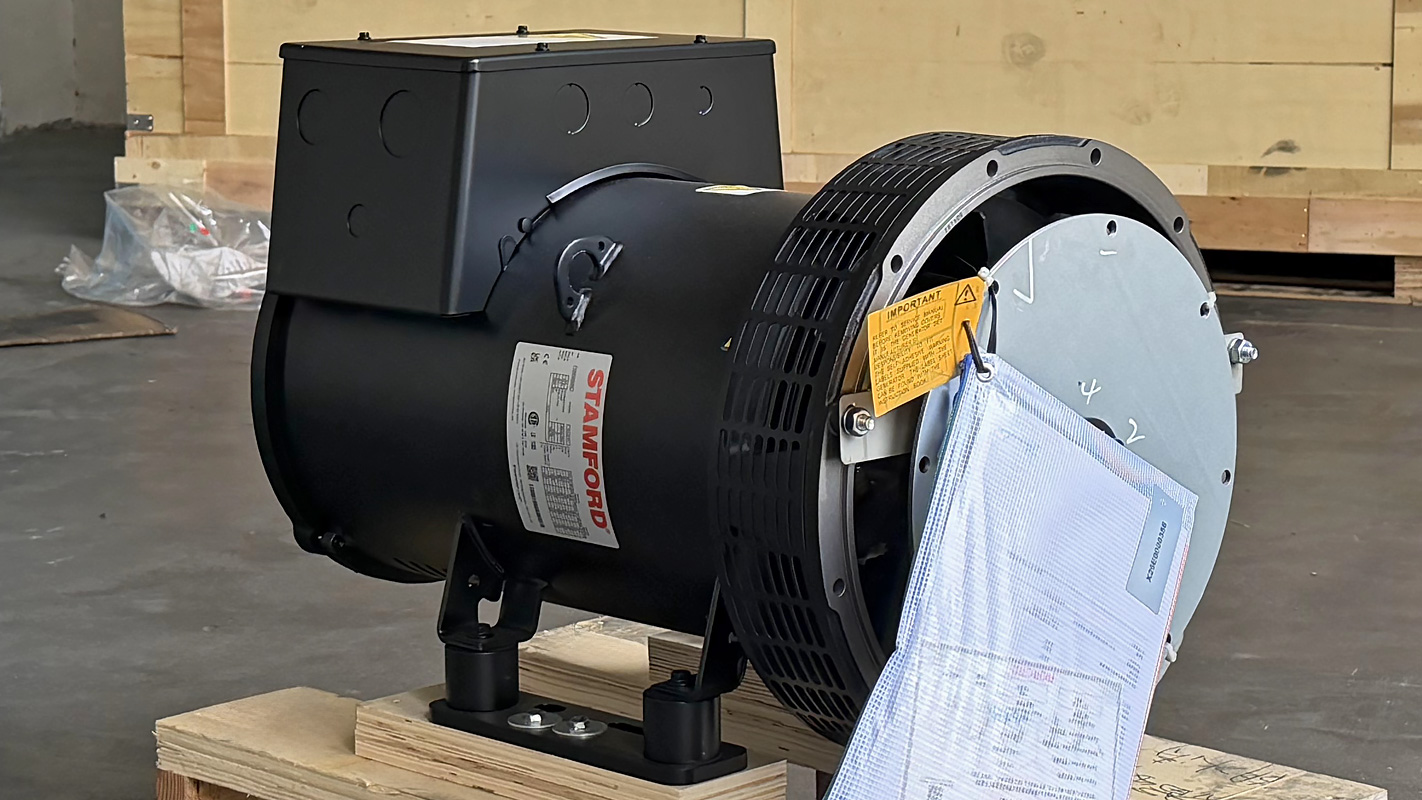
(Rotor used in LANDTOP brand brushless AC generator)
Sustainable Material Innovation
Leading manufacturers now prioritize eco-efficient material lifecycles:
- Closed-Loop Recycling: Stator cores utilizing >85% recycled electrical steel maintain identical magnetic properties to virgin materials
- Hazardous Substance Elimination: RoHS-compliant insulation varnishes replace traditional solvent-based systems without compromising thermal class ratings
- Hydrogen-Ready Components: Austenitic stainless steel end rings enable compatibility with hydrogen-blended fuels without hydrogen embrittlement risks
Operational Economics Realization
The long-term financial impact of material excellence transcends initial procurement costs:
- Maintenance Reduction: Premium materials extend scheduled maintenance intervals to 24,000+ operational hours
- Efficiency Gains: High-grade cores contribute to operational savings exceeding $18,000 per MW annually through reduced fuel consumption
- Lifecycle Extension: Generators with superior material specifications consistently achieve 25-year service lifetimes in utility applications
Engineering Commitment
Our material science philosophy involves:
- Multi-Physics Simulation: Finite element analysis of electromagnetic-thermal-structural interactions across 15+ variable operating scenarios
- Accelerated Life Testing: 20,000-hour operational equivalence validation through combined thermal, vibrational, and environmental stress testing
- Supply Chain Validation: Direct control over specialty alloy sourcing with batch-level material certification traceability
Strategic Material Selection Guide
When evaluating generators, demand:
- ASTM A876 M19 steel certifications for stator cores
- ISO 17855-2 compliant rotor magnets rated for 180°C
- UL 1446 Class 200 insulation system documentation
- IEC 60034-30-1 efficiency class designations
Conclusion
The operational boundary between generator adequacy and excellence is defined at the molecular level. Premium stator and rotor materials transform theoretical performance specifications into tangible reliability across decades of continuous service. In mission-critical applications where energy security is paramount, material quality ceases to be an engineering specification—it becomes an operational insurance policy.
Explore our material specifications and performance validation protocols at www.landtop.cn.
Multi Generator Parallel Operation Dynamics
Self Excited Brushless Synchronous Generator Applications
Related Article