Synchronous Asynchronous Tech Differences Selection

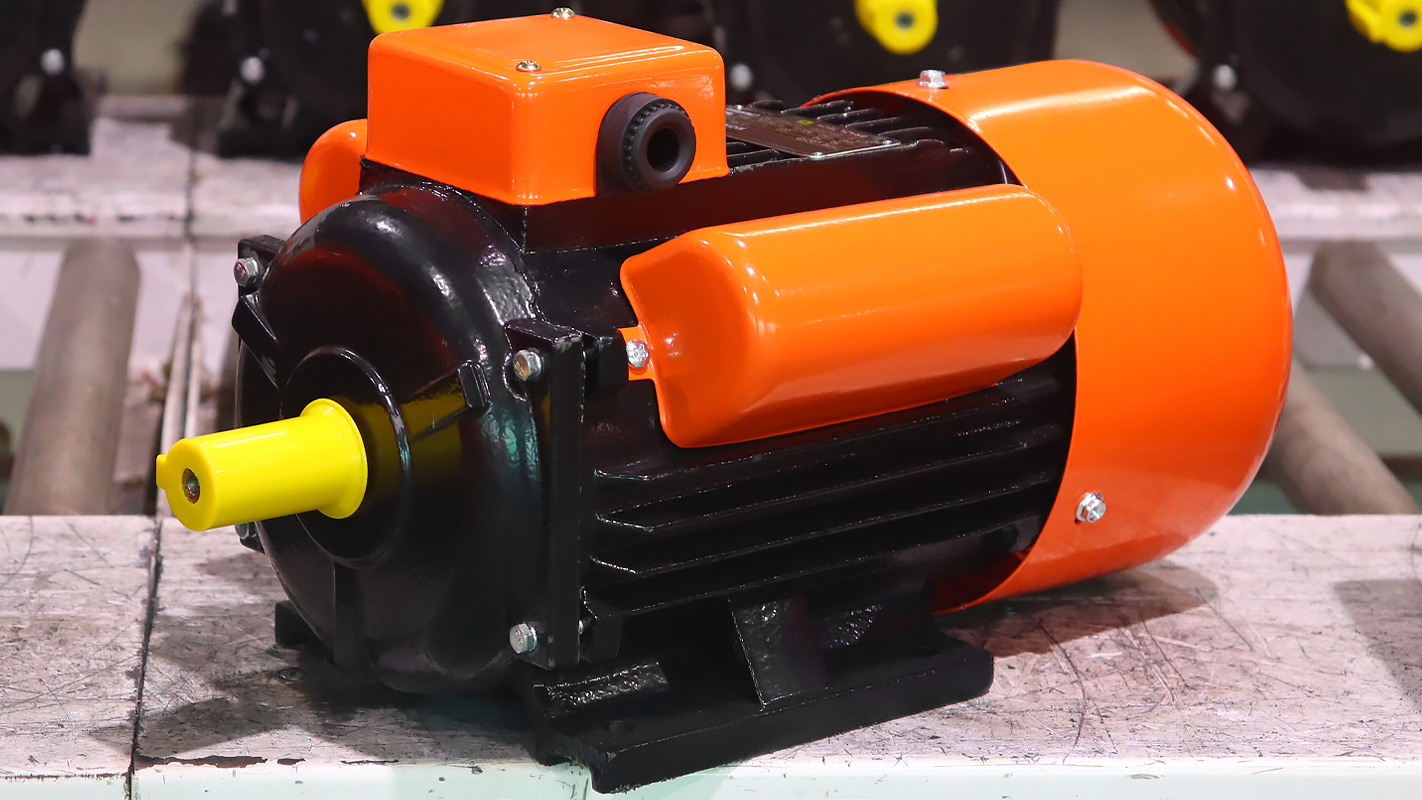
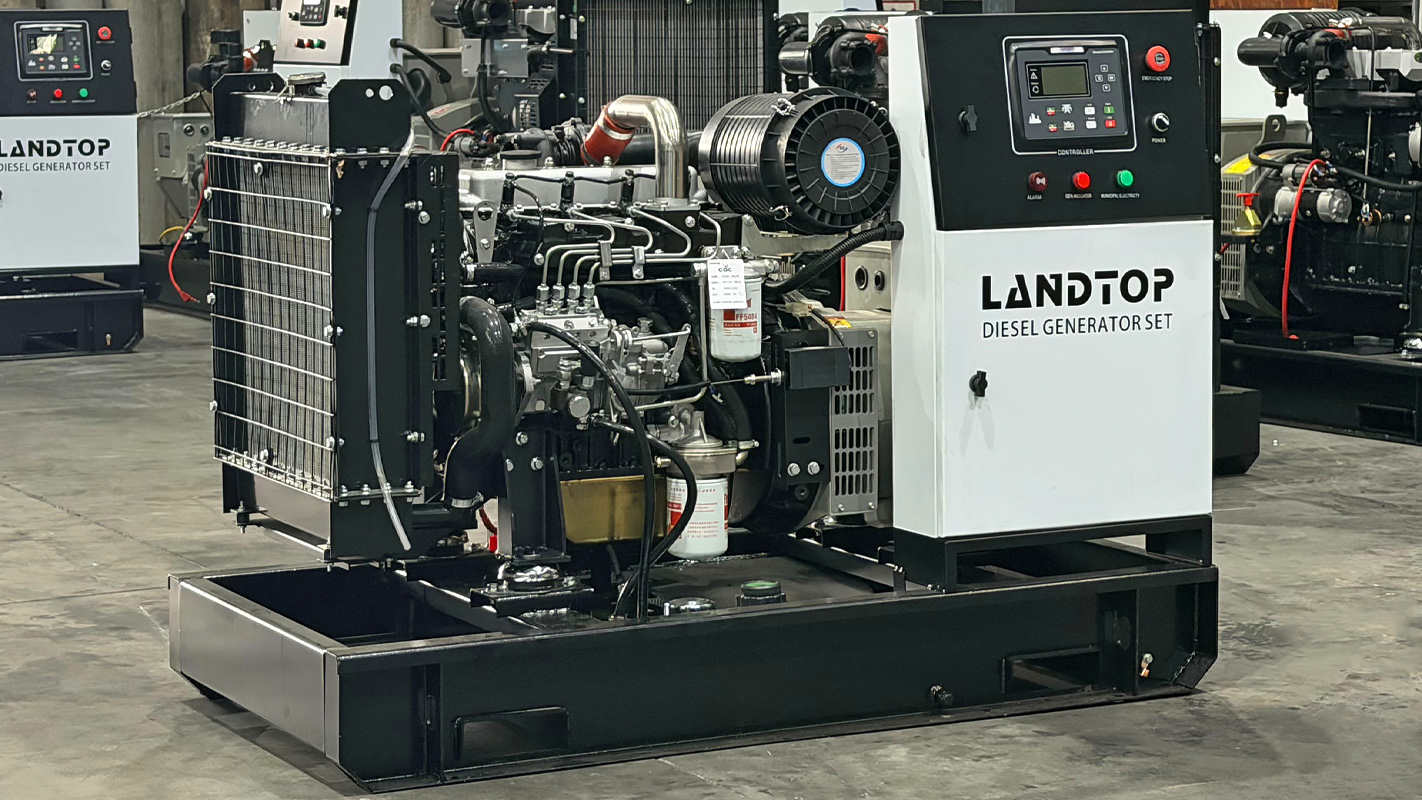
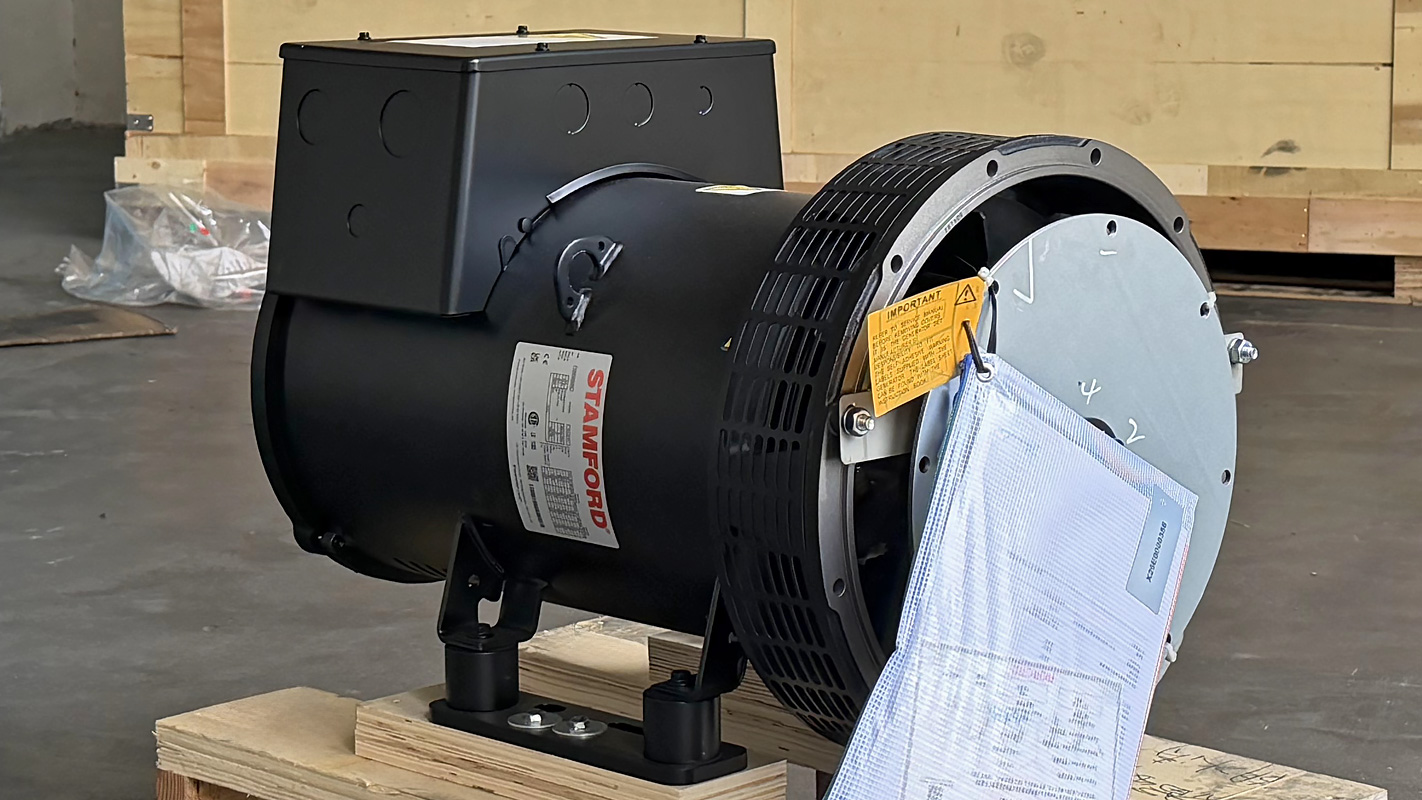
Synchronous AC generators and asynchronous induction motors exhibit fundamental technical divergences rooted in their electromagnetic designs and operational mechanics. Synchronous generators maintain rigid speed synchronization with the AC frequency through externally excited rotor fields, ensuring precise voltage and frequency stability (±0.5%) ideal for grid-tied applications. In contrast, asynchronous motors operate with inherent slip, where rotor currents are induced without direct excitation, offering self-starting simplicity but variable speed under load changes.
Key differences include excitation methods—synchronous units require DC excitation for field control, while asynchronous types rely on induction—and structural elements like rotor designs (salient poles vs. squirrel cages). Performance-wise, synchronous generators excel in reactive power support and efficiency at constant loads, whereas asynchronous motors provide robustness and cost-effectiveness for variable-torque demands.
Selection strategies prioritize application needs: opt for synchronous generators in critical power scenarios demanding frequency precision, such as backup systems, and asynchronous motors for industrial drives where low maintenance and high starting torque are paramount. Integrating both requires evaluating factors like load variability, efficiency targets, and environmental conditions to optimize system reliability and energy savings.
Diesel Generator Maintenance Troubleshooting Guide
Diesel Generator Silent Operation Secrets
Related Article