Synchronous Generator Excitation System Guide
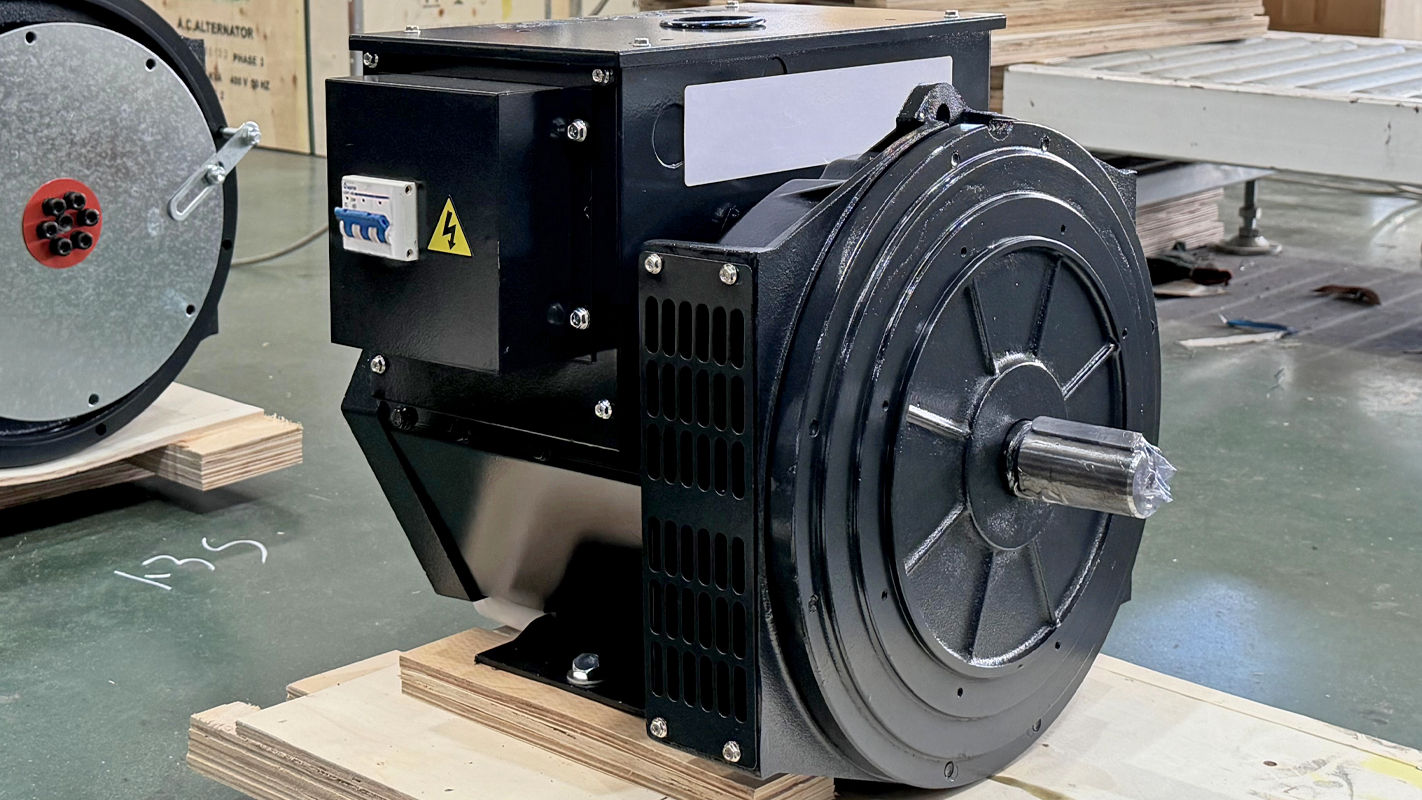
Synchronous generator excitation systems govern voltage regulation and reactive power management through precisely controlled electromagnetic field generation. The core mechanism involves supplying adjustable DC current to rotor windings via either brushless exciters (rotating diodes) or static excitation (thyristor-based AVRs). This creates a rotating magnetic field that induces three-phase voltage in stator windings, with automatic voltage regulators continuously modulating excitation current to maintain ±0.25% voltage stability despite load fluctuations.
Critical calibration procedures encompass:
- Static Testing
- Insulation resistance validation (>100MΩ)
- Rotor impedance curve mapping
- Dynamic Optimization
- PID controller tuning for transient response
- Underexcitation/overexcitation limiter adjustments
- Synchronization Verification
- Phase angle matching within ±5°
- Slip frequency control below 0.1Hz
Advanced systems incorporate digital controllers with real-time harmonic analysis (<2% THD) and predictive algorithms that compensate for temperature drift. Proper calibration ensures compliance with IEEE C50.13 standards while enabling seamless grid integration, reactive power support, and fault ride-through capability during voltage sags.
Induction Motor Start Methods Comparison
Diesel Generator Grid Integration Standards
Related Article