How Diesel Generators Work: The Engineering Behind Reliable Backup Power
author: LANDTOP- Ray
2025-02-19
The Mechanics of Power Generation
- Core Components
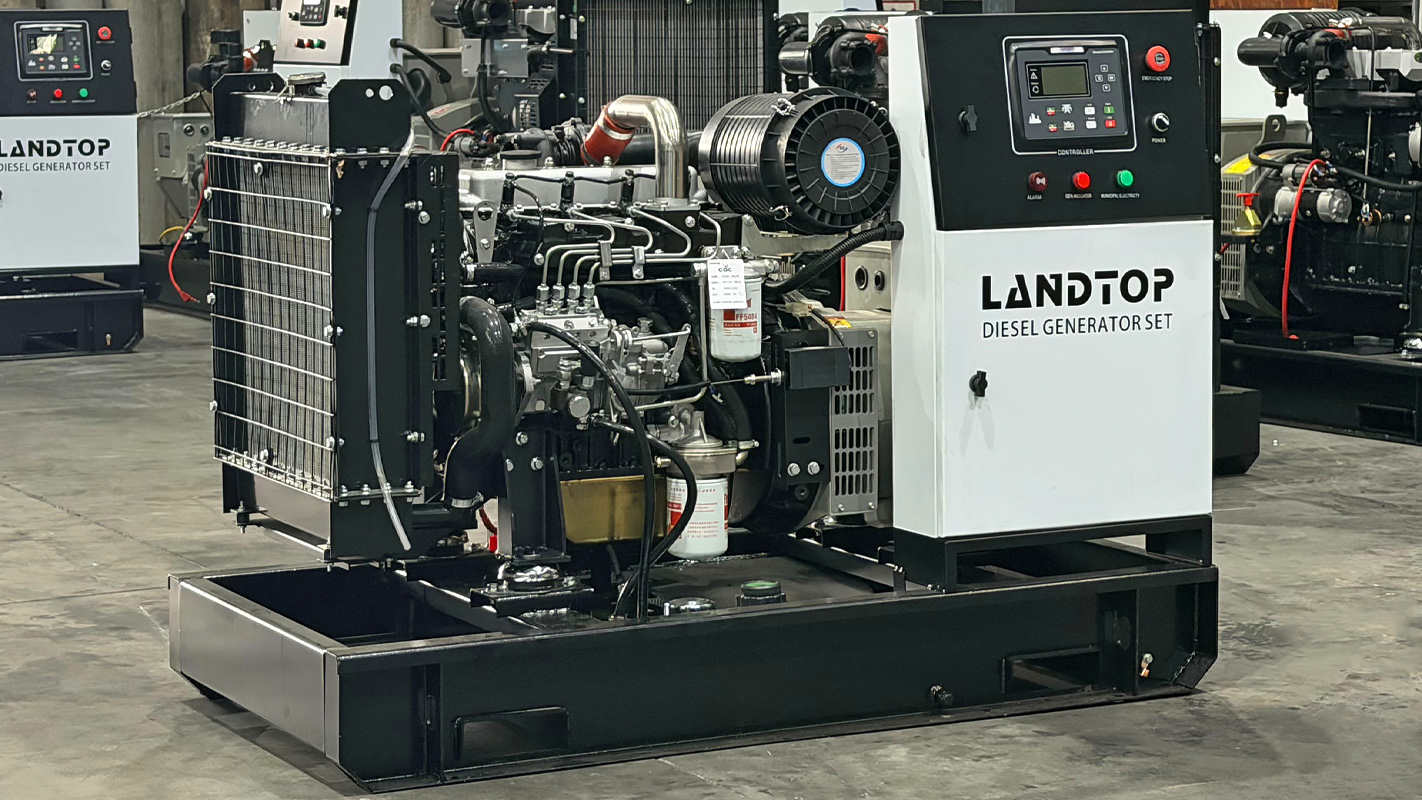
- Diesel Engine: Uses compression ignition (no spark plugs) with a compression ratio of 16:1–23:1, achieving 35–45% thermal efficiency.
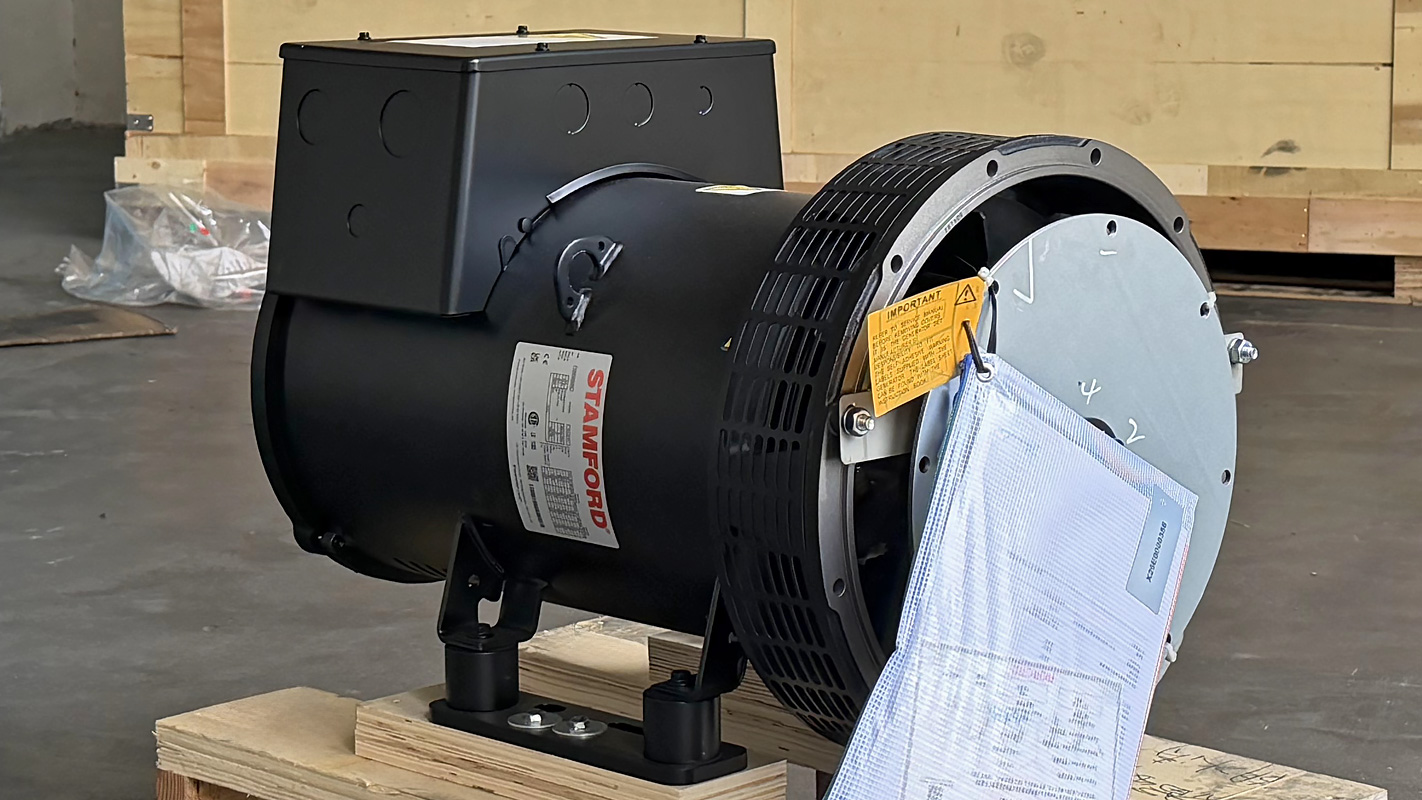
- Alternator: Converts mechanical energy to AC power via electromagnetic induction. High-grade copper windings reduce energy loss by 12% compared to aluminum.
- 4-Stroke Cycle Breakdown
- Intake Stroke: Air enters the cylinder (no fuel mixture).
- Compression Stroke: Air compressed to 3,000 kPa, heating to 500°C–700°C.
- Power Stroke: Fuel injected at 18,000–30,000 PSI, igniting instantly.
- Exhaust Stroke: Burnt gases expelled via turbochargers (improves efficiency by 25%).
Why Industries Choose Diesel Over Gas
- Lower Fuel Costs: Diesel’s energy density (35.8 MJ/liter) surpasses gasoline (32.4 MJ/liter), reducing refueling frequency.
- Case Study: A Nigerian oil rig using Cummins QSK95 generators cut downtime by 40% through optimized load management.
Maintenance Pro Tips
- Fuel Filters: Replace every 500 hours in dusty environments (prevents injector clogging).
- Cooling Systems: Use 50/50 ethylene glycol coolant to prevent -30°C freezing and 120°C overheating.
Five Industries Revolutionized by Diesel Generators
Revolutionizing Power Supply: Next-Gen Diesel Generators for Emerging Economies
Related Article

Heavy duty brush alternator maintains stable performance under tough and extreme working environments.
Brush Alternator Withstanding Harsh Working Conditions
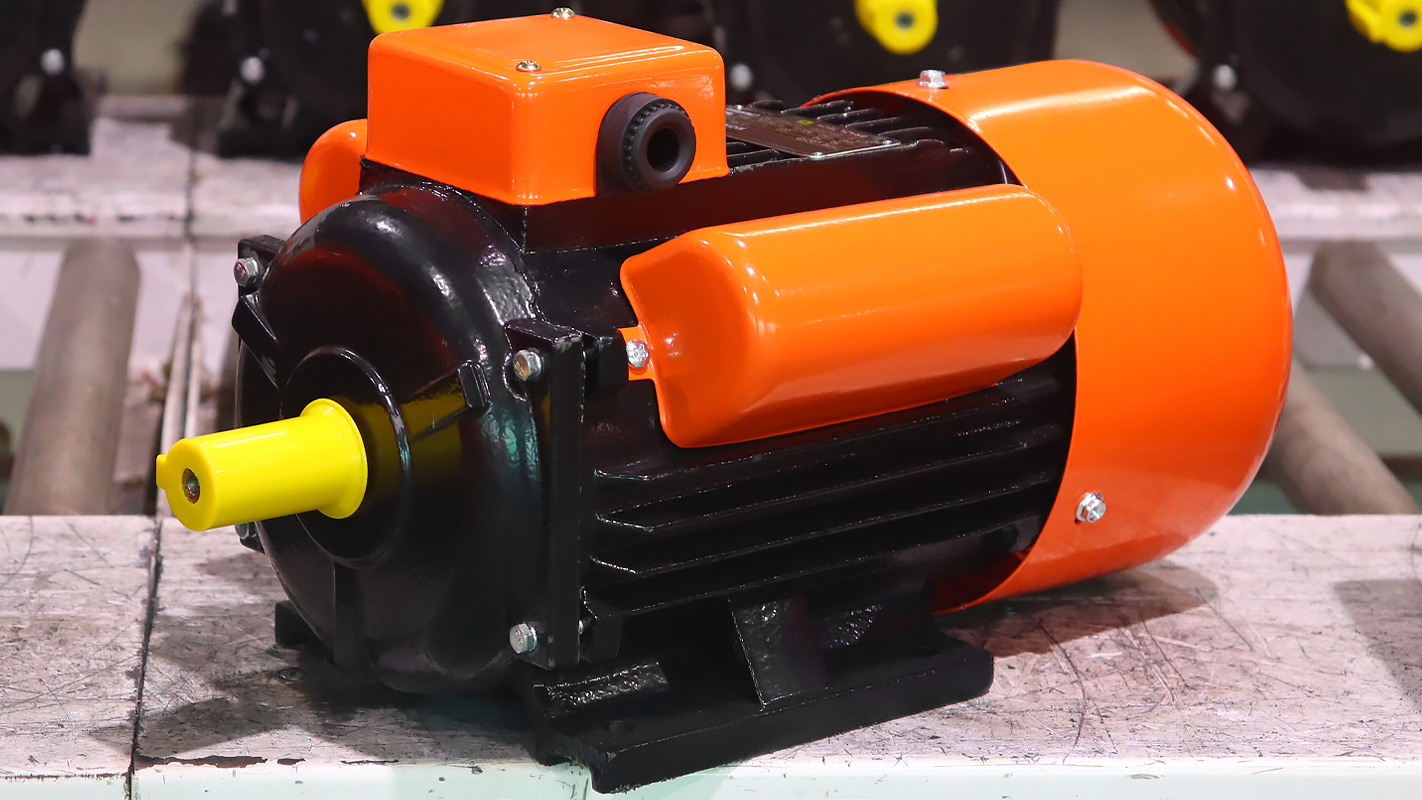
High-performance electric motors boost industrial output and streamline daily operational workflows efficiently.
Electric Motor Improving Industrial Productivity