Induction Motor Electromagnetic Drive Fundamentals

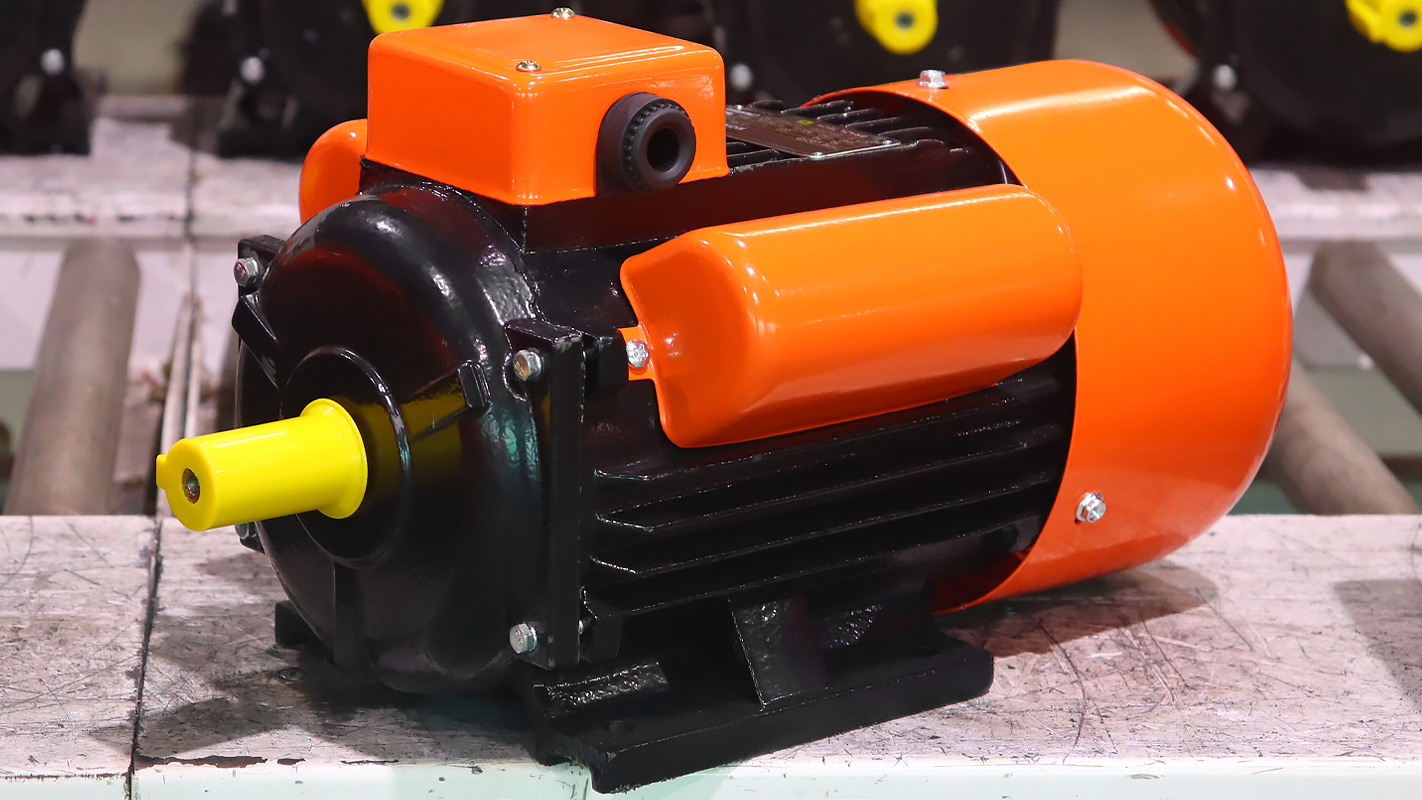
(Three-phase asynchronous induction motor Y2-90L-2-2.2kw/3HP)
The Foundation: Electromagnetic Induction
At the heart of every induction motor lies Faraday's Law of Electromagnetic Induction, where a changing magnetic field induces an electric current in a conductor. When alternating current (AC) flows through the stator windings, it generates a rotating magnetic field (RMF). This RMF cuts across the rotor's conductive bars (typically aluminum or copper), inducing eddy currents. According to Lenz's Law, these currents create opposing magnetic fields that interact with the stator's RMF, producing torque. Crucially, this process requires no direct electrical connection to the rotor, enabling robust, maintenance-free operation.
Synchronous vs. Asynchronous Operation
Induction motors operate asynchronously, meaning the rotor's speed lags behind the RMF's synchronous speed. This difference, quantified as slip (typically 2–5%), is essential for torque generation. Higher slip increases torque but reduces efficiency. The rotor's design—whether squirrel-cage or wound—optimizes this balance. Squirrel-cage rotors use short-circuited bars to maximize induced currents, while wound rotors allow external resistance adjustments for controlled torque.
Energy Conversion Dynamics
Electromagnetic drive efficiency hinges on minimizing energy losses:
- Copper losses from resistance in windings,
- Iron losses due to hysteresis and eddy currents in the core,
- Stray losses from leakage flux.
Advanced materials like laminated silicon steel cores suppress eddy currents, while optimized winding configurations enhance magnetic flux linkage. The absence of brushes (unlike DC motors) eliminates friction losses, making induction motors ideal for continuous industrial duty.
Mathematical Underpinnings
The motor's performance follows key equations:
- Torque (τ): τ=k⋅ϕ⋅I2⋅cosθτ=k⋅ϕ⋅I2⋅cosθ,
where ϕϕ is magnetic flux, I2I2 is rotor current, and cosθcosθ is power factor. - Slip (s): s=Ns−NrNss=NsNs−Nr,
with NsNs as synchronous speed and NrNr as rotor speed.
These relationships underscore the trade-offs between speed control, torque, and efficiency.
Modern Innovations & Sustainability
Contemporary research focuses on intelligent electromagnetic field modulation using variable-frequency drives (VFDs). By adjusting AC input frequency, VFDs precisely control RMF speed, enabling dynamic torque response and 30%+ energy savings. Additionally, regenerative braking systems convert kinetic energy back into electrical energy during deceleration, aligning with circular economy principles.
(Note: This content is generated by AI technology. The accuracy and reliability of the information should be independently verified. FUZHOU LANDTOP CO., LTD. assumes no liability for consequences arising from the use of this AI-generated material.)
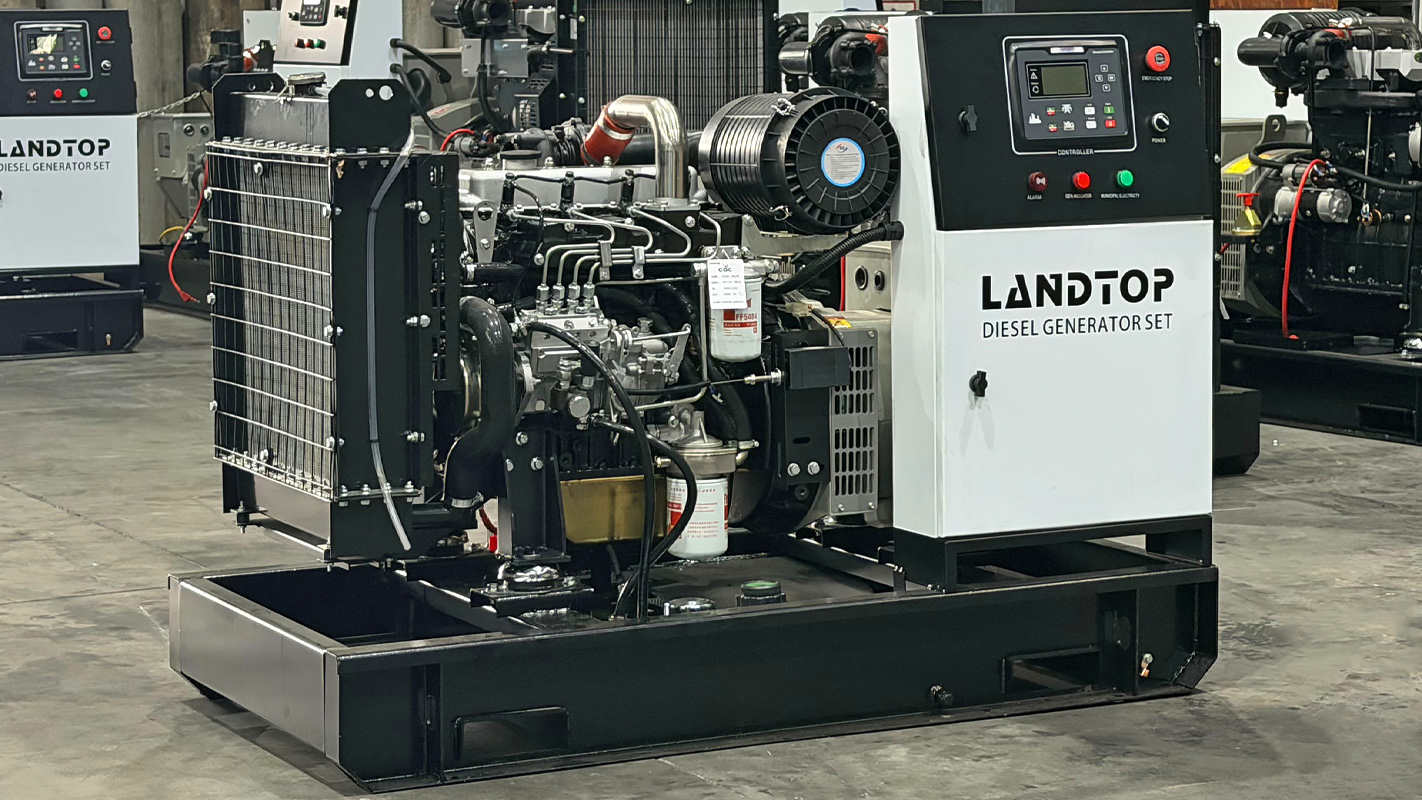
Diesel Generator Stable Power Solutions
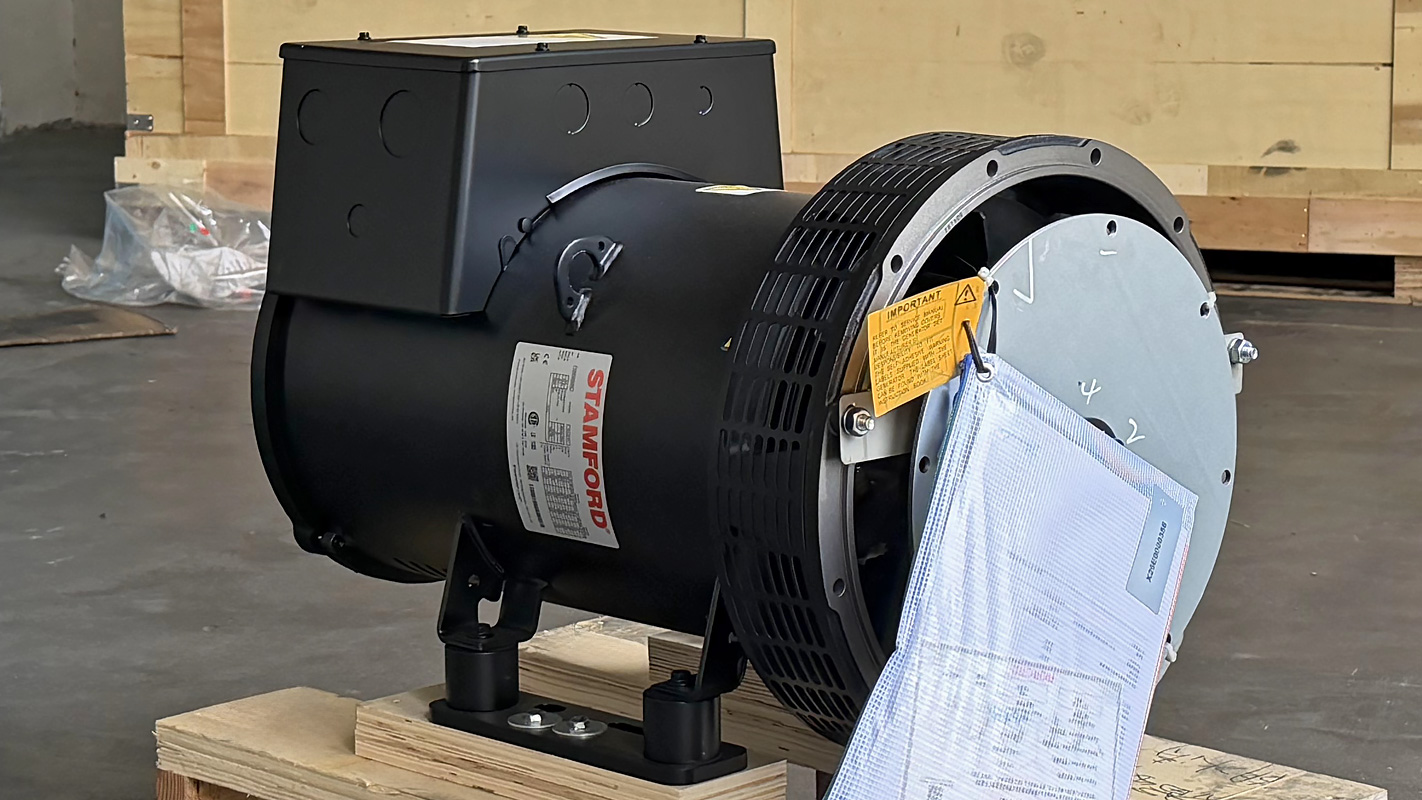
Efficient AC Generator Structural Insights
Related Article